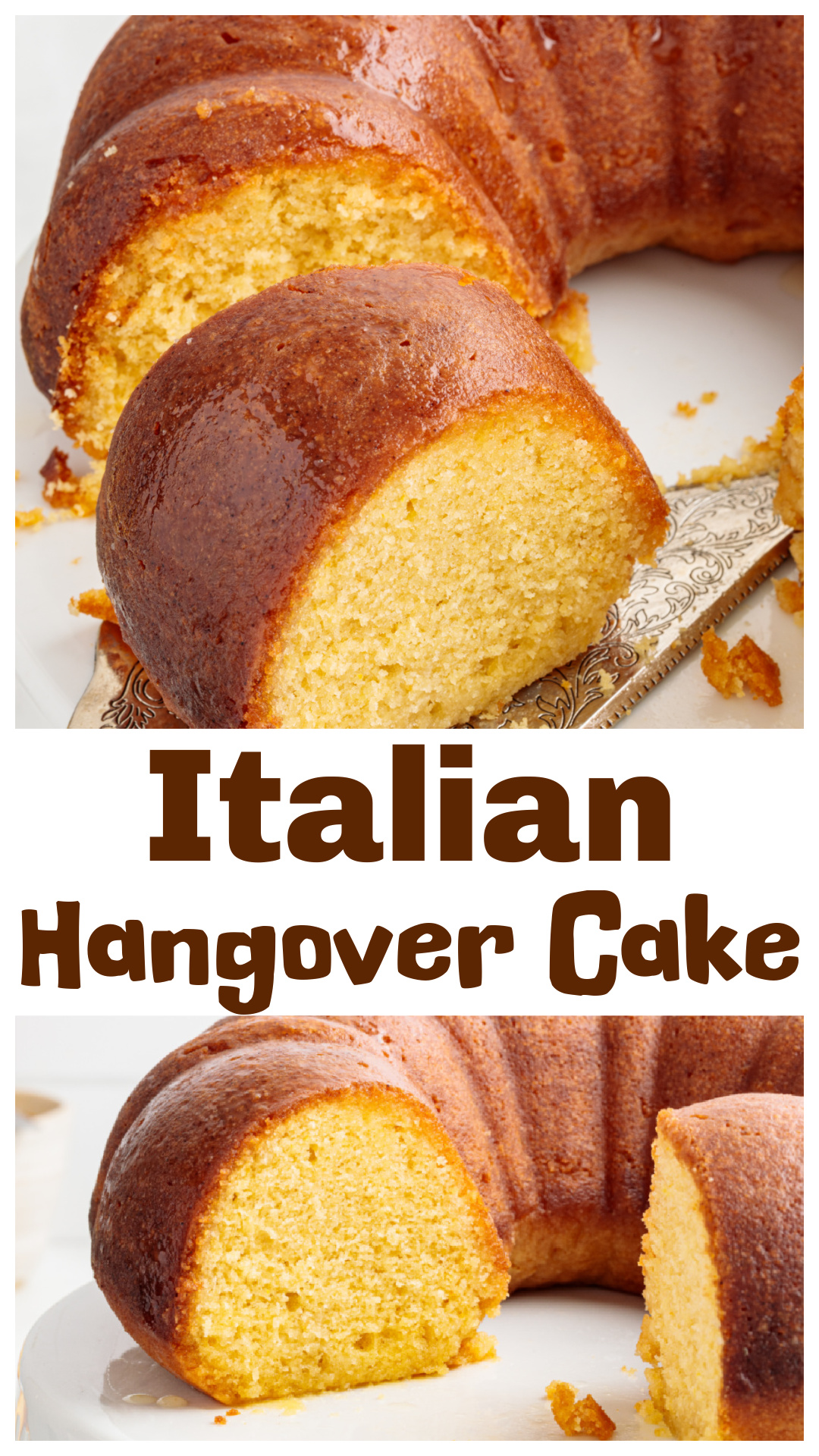
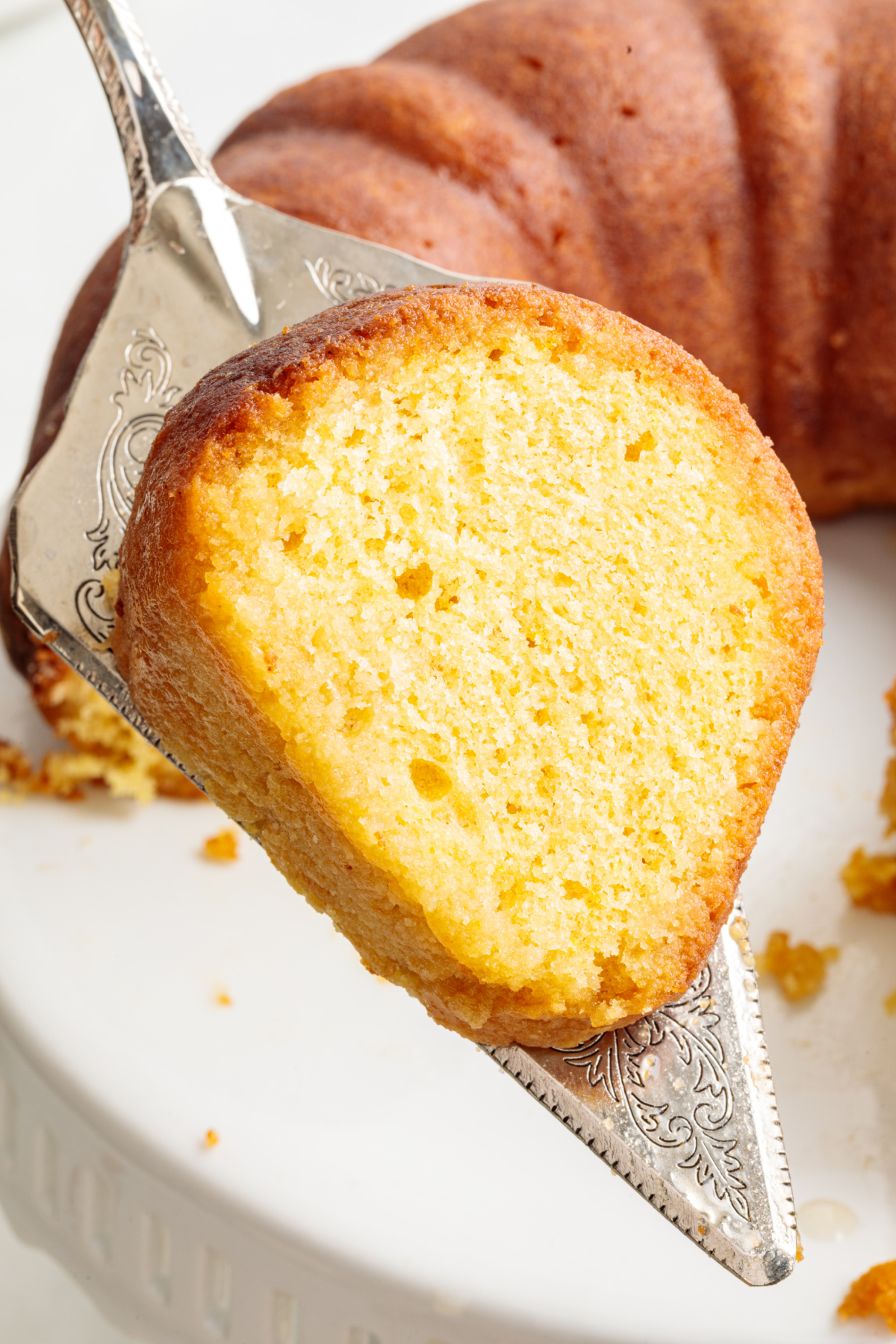
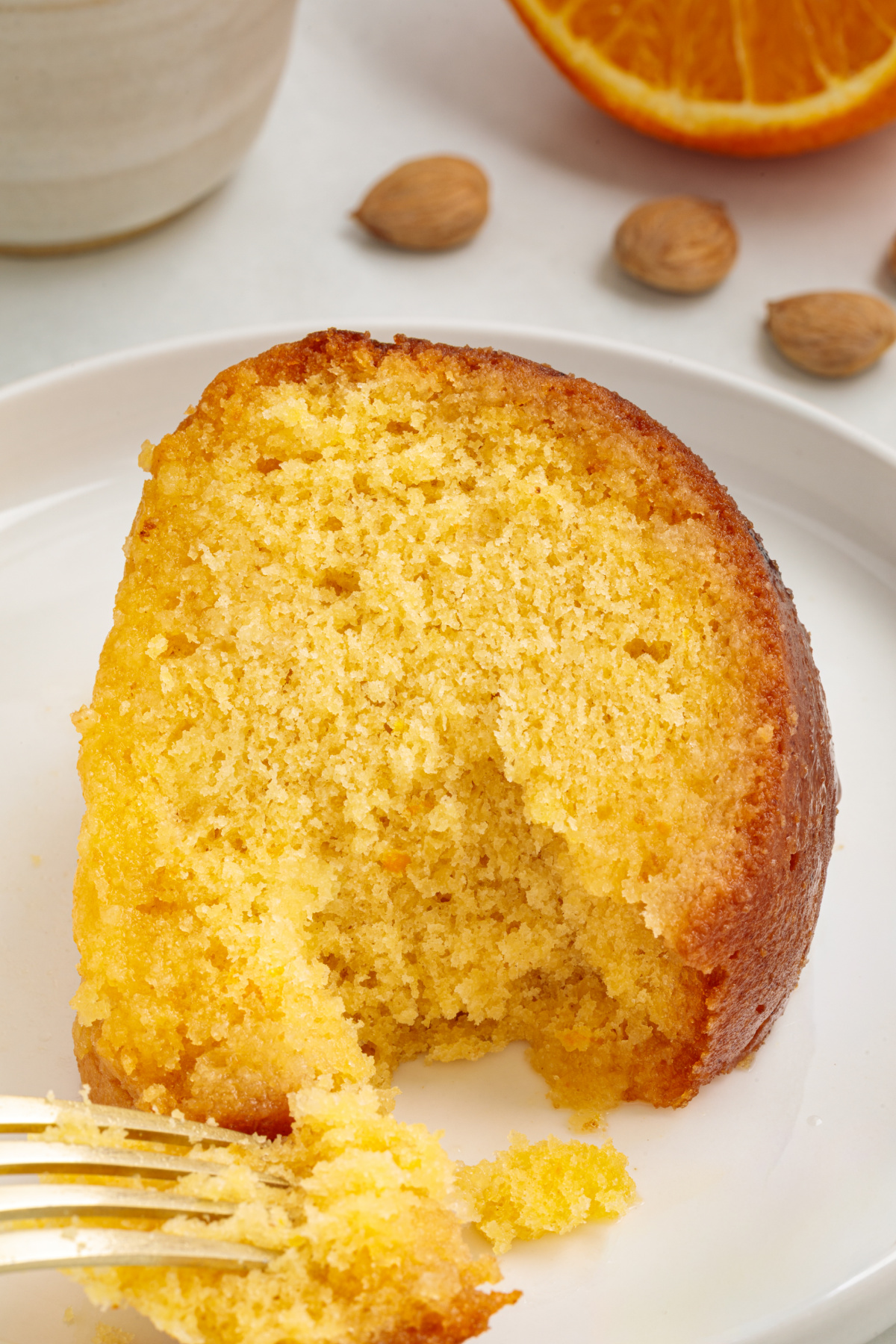
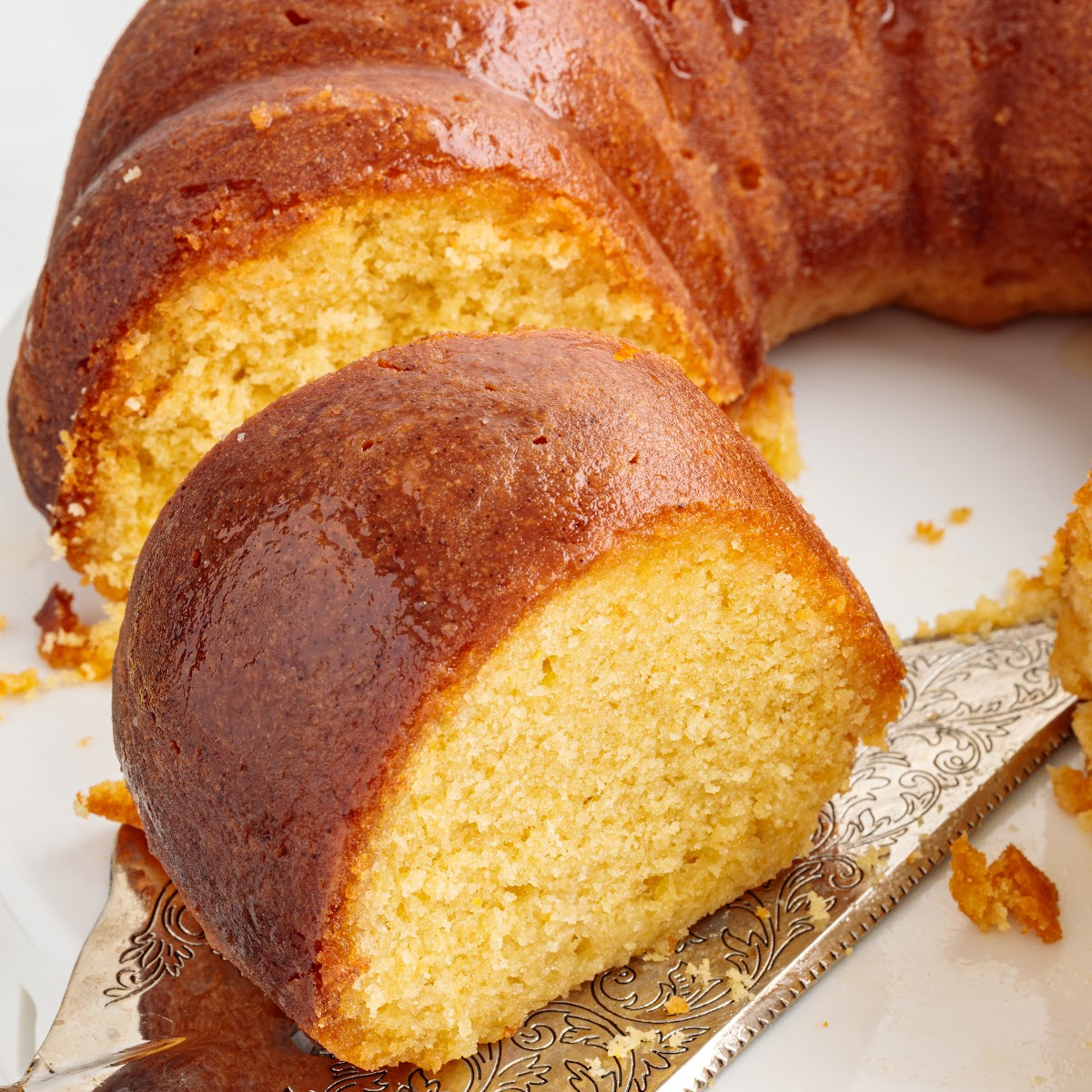
Italian Hangover Cake is a syrup-soaked Bundt made with olive oil, butter, ground almonds, citrus zest, and a liqueur finish. It’s moist, fragrant, and even better the next day.
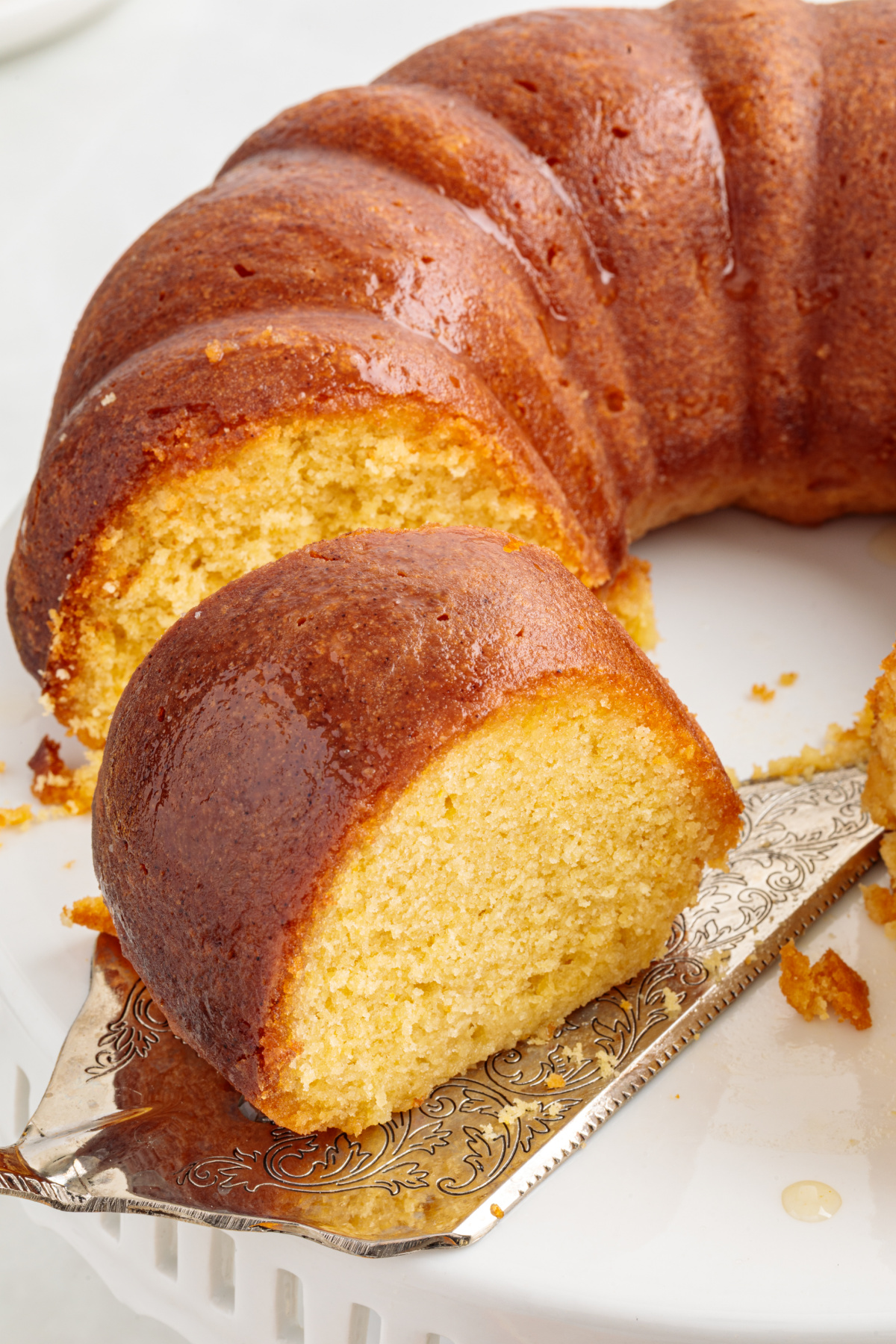
Italian Hangover Cake, Unsupervised & Reclaimed
I could disappear back then, and not in a sad way, in a feral, golden-hour, no-metadata way. There were no pins, receipts, or share-location dots blinking on anyone’s phone. No one was FaceTiming you while you were doing something profoundly stupid and very much alive.
Being sixteen or seventeen in Southern California in the ’80s made it worse, in the best possible way. The border was just… there. A casual suggestion. “Should we get tacos?” “Should we go to Mexico?” Same energy and the answer was always yes.
Passports to cross over weren’t required then. All we needed was a car, bad judgment, and the belief that we were untouchable.
Revolution Street especially, Jesus. It was loud, sweaty, and everything then was neon, it probably still is. Music was spilling out of every doorway, especially AC/DC’s “You Shook Me All Night Long.” I cannot hear that song today without flinching slightly and thinking about all those days in TJ. People were everywhere and fake IDs weren’t even a thing you needed. You danced all day in the clubs, drank all day too, and then you sobered up (it was so easy back then) and just… drove home like you’d gone to Target.
I lose my mind now thinking about what we did, because there were close calls, situations, and things we brushed against that could have gone either way. Like, what in the not fully matured prefrontal cortex part of our brains were we thinking? We were lucky that every trip turned up safe.
But what gets me isn’t even the danger, it was the freedom. We weren’t performing a personality or documenting anything. We weren’t thinking about who would see it later, we were just inside the moment, trusting our instincts, our friends, and the fact that life felt so wide open, reckless, and completely unsupervised, because it was.
I know a lot of people fantasize about that kind of life now, but they didn’t actually live it, I did, repeatedly and casually, with absolutely no digital trail, and it was amazing.
That part of me never left, it just goes underground for long stretches, then it pops back up, sometimes in the kitchen, sometimes in a line of writing, sometimes in a memory that makes me laugh out loud because I can’t believe I survived it. I didn’t grow up reckless, but I definitely grew up unguarded.
I see that same unguardedness in the way I’ve made big decisions my entire life, starting a food site on a complete afternoon whim, buying raw land and planting a vineyard (where did that nerve even come from), choosing things quickly without a long explanation for how I got there. They were never grand, five-year plans. They were very instinctual and immediate. Very much “yes, this, now.”
That’s exactly how this Italian hangover cake exists, which is objectively funny, considering how many of my worst hangovers happened nowhere near Italy.
Most “Italian hangover cakes” are heavy on vodka for novelty, alcohol used as more of a punchline, not a flavor. I didn’t want to go that route. My version uses almond liqueur (Amaretto) and citrus, because I wasn’t looking to show the alcohol off, just make it belong in a way that felt true.
Instead of all oil or all butter, I went full hybrid. I used butter for shape and flavor and olive oil for moisture and longevity. I wanted it to improve overnight, not fall apart into something forgettable the next day.
And then there are the bitters, the detail almost no one else bothers with. I could find very few versions that use them at all, and none that explain why, because they help. I used them at drop-level, just enough to balance the syrup’s sweetness, reinforce the citrus, and add nuance without ever reading “cocktail.” No real trend-chasing, just forward-flavor thinking.
So yes, my version of this cake is different, not cosmetically, but more in design.
I wanted the alcohol choices to make culinary sense, while the Italian flavor profile kept its ancestry intact. The cake mirrors a European syrup cake for me, not a full boozy Bundt trying to be a good time.
Even though I changed things, I decided to keep the Italian hangover cake name, but I’m fully reclaiming it, because this cake isn’t about excess for me, it’s about survival, my own memories, and knowing exactly when to stop.
Which, honestly, is something I learned much later than I should have. But I did learn it and that’s the only thing that matters now.
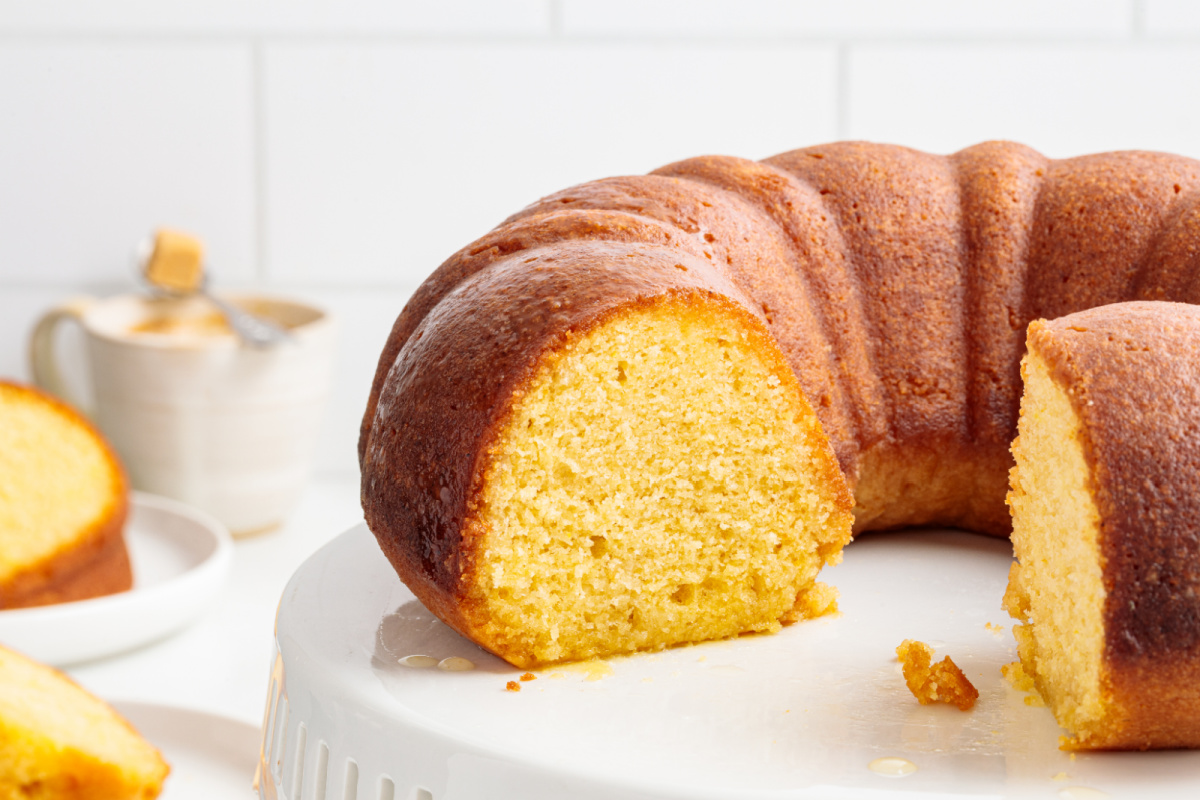
Why I Love This Recipe
- My fat hybrid system was a deliberate choice. Butter for flavor and definition, and then olive oil to extend the moisture past day one. In my own tests, using both solved the very real next-day problem I was seeing with this cake.
- I made functional alcohol choices on purpose, not the stunt alcohol you often see with a cake like this (hello vodka). Amaretto and Cointreau helped reinforce the almond and citrus, which means the liqueur is doing flavor work instead of acting like it’s on a stage. This really changed it.
- I used ground almonds (not almond flour) to replace part of the flour on purpose. They added necessary density and hold onto moisture in a way straight flour doesn’t. This changed everything and took a bit to figure out.
- Bitters, my favorite add to this cake. Two drops is enough to keep the syrup from tasting too sweet, and it gave the citrus somewhere to go. You don’t taste the bitters, but you do notice the balance, which is the most important quality in anything I make.
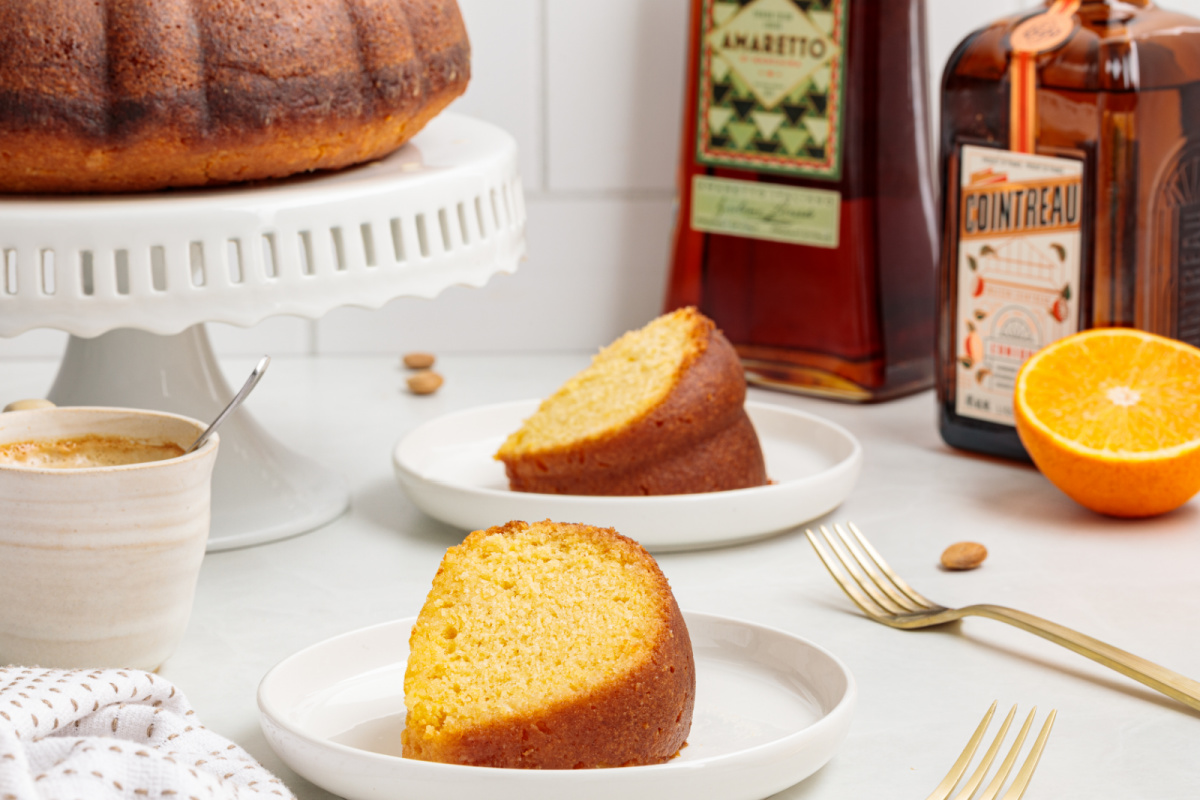
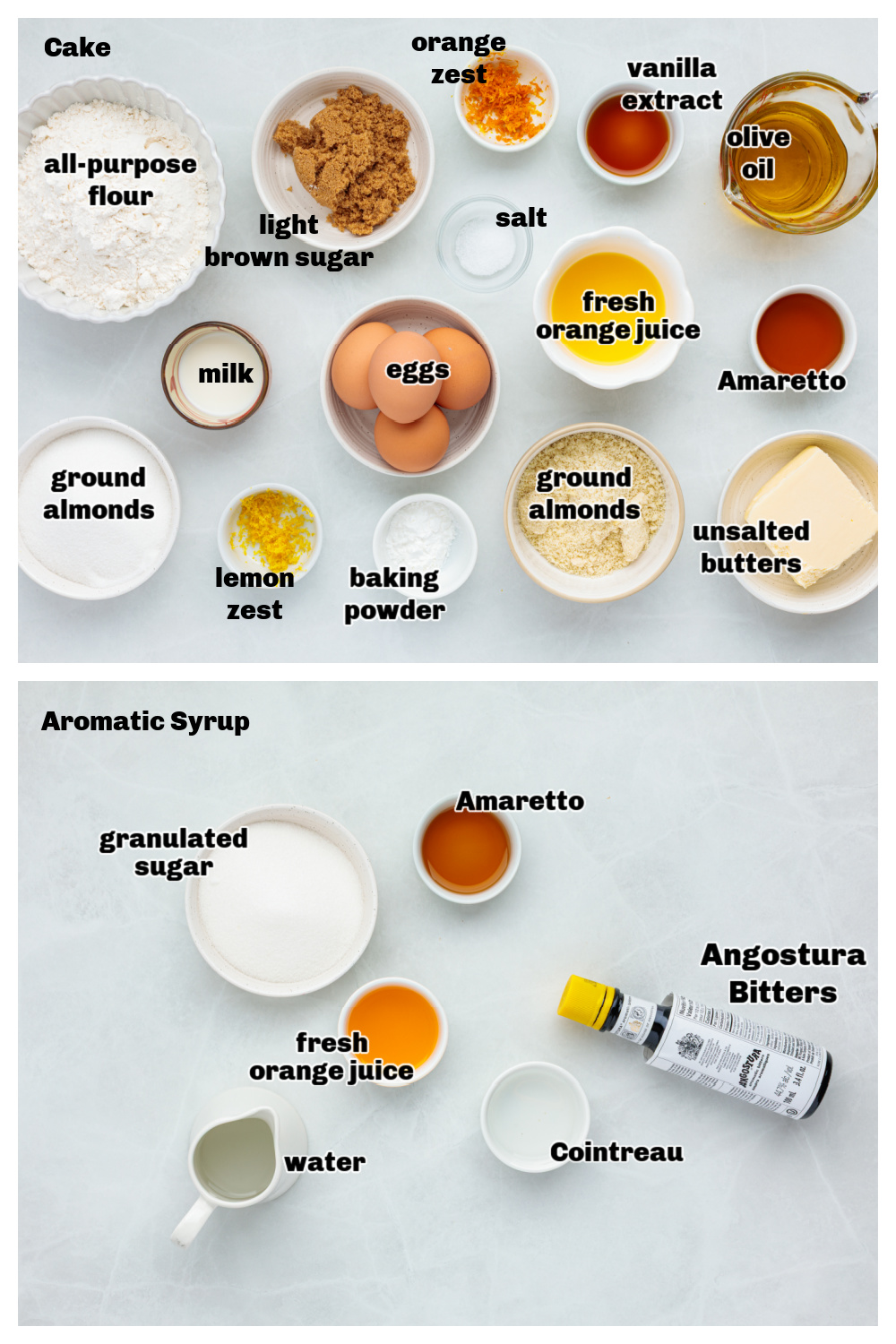
Ingredients
- All-purpose flour – This is the part that keeps the whole thing from going off the rails, because even I respect a baseline.
- Finely ground almonds – Almonds belong in this cake and are especially useful when alcohol is involved.
- Baking powder – Super necessary.
- Fine salt – Because sugar, fat, citrus, and booze all need supervision.
- Unsalted butter – This is the familiar ingredient, the thing your brain recognizes as “cake” before anything interesting ever happens.
- Extra-virgin olive oil – This is the upgrade. Olive oil is why this cake still tastes well the next day, which is absolutely appropriate for something called hangover cake.
- Granulated sugar – Shows up in both the cake and the syrup. The sweetness here isn’t a one-time event.
- Light brown sugar – Adds a little weight, and if you’re out, make your own brown sugar at home.
- Eggs – Everything has to pass through these, no shortcuts.
- Orange + lemon zest – The best aromatics.
- Fresh orange juice – I used it in both the batter and the syrup so the citrus doesn’t just wave once and disappear.
- Milk – This helped the texture turn out just right.
- Amaretto – Almond liqueur that belongs in a cake. No one was drinking Amaretto on Revolution Street, but this is what growing up looks like.
- Cointreau – My adult answer to triple sec. If you’ve ever had a bad orange liqueur hangover in Mexico, you understand why upgrading matters.
- Vanilla extract – This keeps everything from feeling unfinished.
- Angostura bitters – Two drops in the syrup. I didn’t use this to make a point, but just enough to keep the sweetness from getting sloppy. If you’re questioning it, make the cake both ways, with and without, you’ll notice the difference.
How to Make Italian Hangover Cake
Find the complete printable recipe with measurements in the recipe card at the BOTTOM OF THE POST.
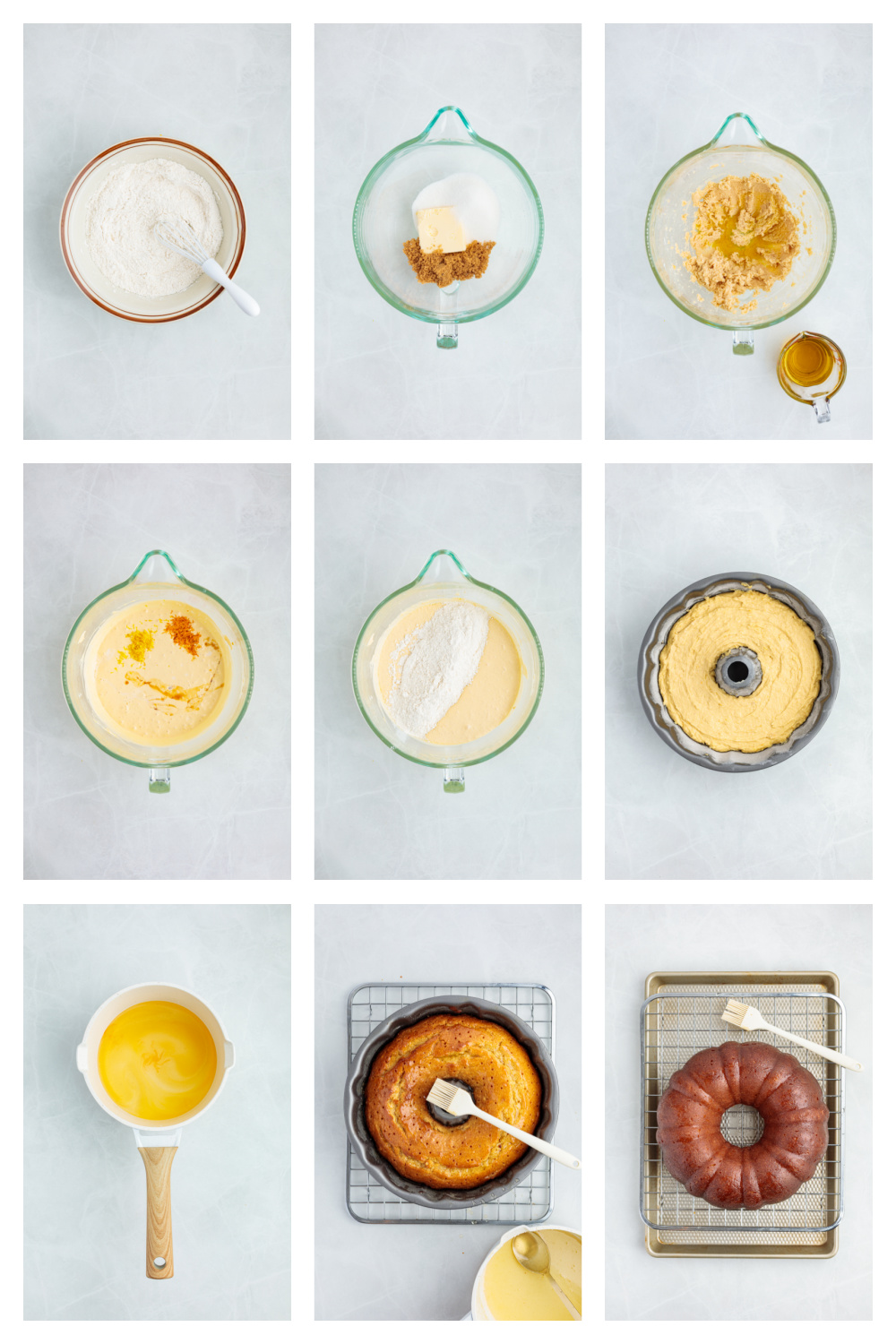
- Step One (pan + oven)
Heat the oven to 350°F. Butter and flour a 10–12 cup Bundt pan, getting into every curve and crevice. This cake gets soaked later, so this is not the moment to hurry through and miss a section. - Step Two (dry ingredients, waiting patiently)
In a bowl, whisk together the flour, ground almonds, baking powder, and salt. Set it aside. It doesn’t need any attention yet. - Step Three (butter, sugar, and adulthood)
Beat the butter with both sugars until it looks lighter and looser, about 2–3 minutes. With the mixer running, slowly drizzle in the olive oil so it blends in smoothly instead of trying to escape the mixture. This is the fat hybrid system doing its most important work. - Step Four (eggs + everything good)
Add the eggs one at a time, scraping down the bowl when needed. Then mix in the citrus zest, orange juice, milk, Amaretto, and vanilla. At this point, the batter smells like you made responsible choices with alcohol, which feels like growth. - Step Five (don’t overthink it)
Fold in the dry ingredients just until they disappear. As soon as it looks unified, stop. Nothing good comes from taking it further here. - Step Six (into the oven)
Spoon the batter into the prepared pan and smooth the top. Bake for 45–55 minutes, until the cake is golden and a skewer comes out clean. The kitchen will smell like a very convincing Italian café. - Step Seven (the syrup)
While the cake bakes, heat the water and sugar in a small saucepan until the sugar dissolves. Take it off the heat and stir in the orange juice, Amaretto, Cointreau, and bitters. This is where the hangover cake gets its name, without acting like a joke. - Step Eight (the soak)
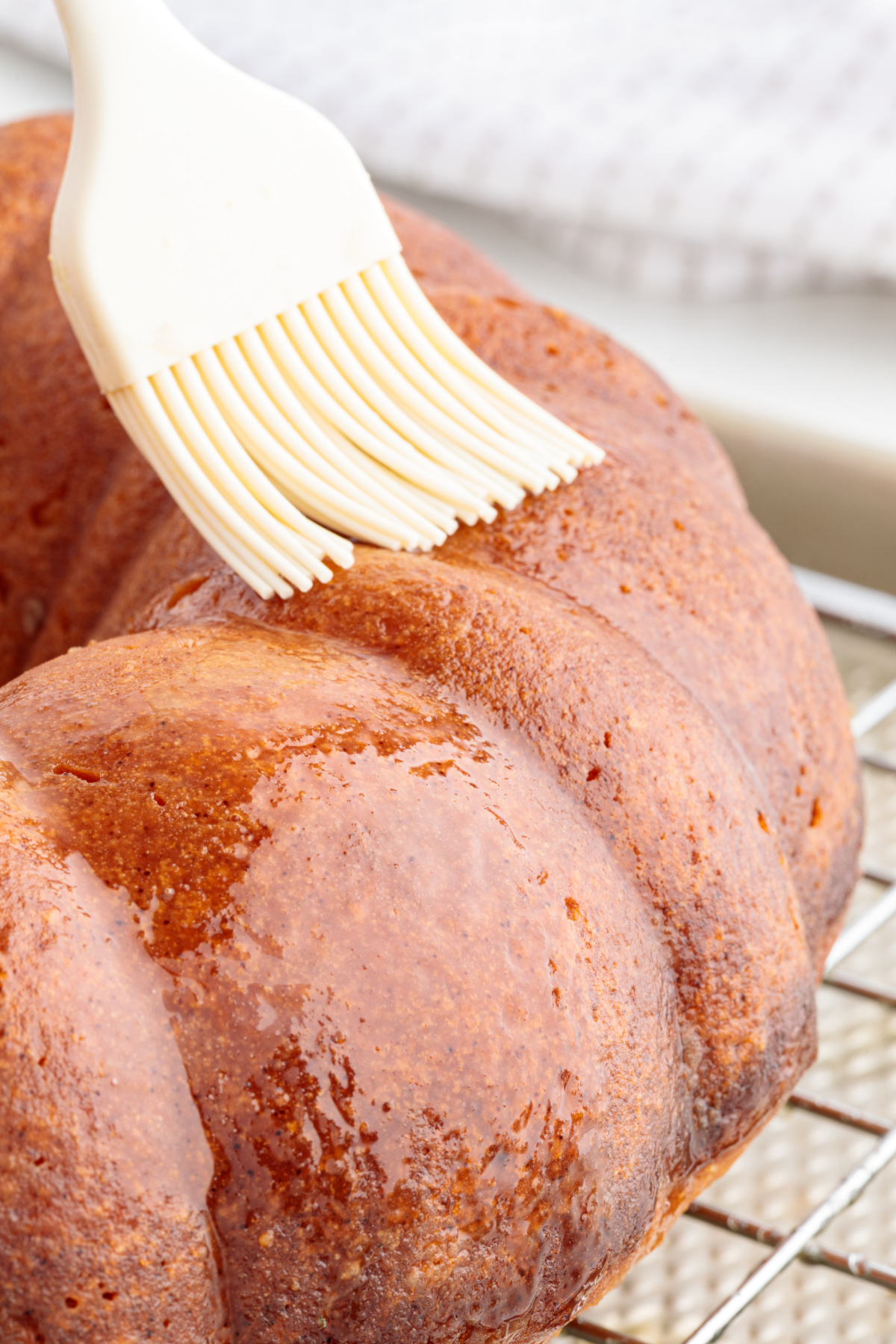
Let the cake cool in the pan for about 10 minutes, then poke deep holes all over with a skewer. Spoon most of the syrup over slowly and let it sink in at its own pace. After another 10 minutes, turn the cake out onto a rack set over a baking sheet and brush the remaining syrup over the surface. Let it cool completely before slicing. However, the cake benefits so much by waiting to enjoy it the next day once everything has settled in together. Wait if you can!
Recipe Tips
This cake is forgiving, but it will reward you by paying attention in a few specific places.
- Prep the Bundt pan as if you’re setting yourself up for no regrets. This cake gets soaked, and syrup will find every weak point. Butter and flour thoroughly, especially around the center tube and edges, or you’ll be brokering with gravity later.
- You want the butter to be very soft before you start. If it still feels cool or resistant, please wait. Soft butter blends easily with the sugars and welcomes the olive oil instead of fighting against it. This is the whole point of the fat hybrid system working instead of separating into factions.
- Make sure to drizzle the olive oil in slowly. What you’ll find is that adding it gradually keeps the batter cohesive and avoids that slightly slick, confused texture you get when you add it too fast.
- Stop mixing way earlier than your instincts tell you to. Once the dry ingredients disappear, you’re done, back away. Scratch cakes do not need your mixing enthusiasm, they need you to leave them alone.
- Spoon the syrup on in a steady pour, letting it absorb instead of pool. This is how you get the glossy finish instead of a cake that just looks damp.
- If you can make it a day ahead, do it. The syrup organizes itself, the flavors calm down, and everything about it feels and tastes just right.
- Try to use good liqueurs, not the old, nostalgic ones still in the cabinet from 2001. This is not the place for whatever bottle survived your early twenties. Amaretto and Cointreau really show up here, and the cake notices. If you don’t want to invest in a large bottle, grab the tiny versions at the liquor store.
Storage & Keeping It Around
- This is a cake that likes a little time, and letting it sit isn’t an afterthought, it’s part of how it comes together.
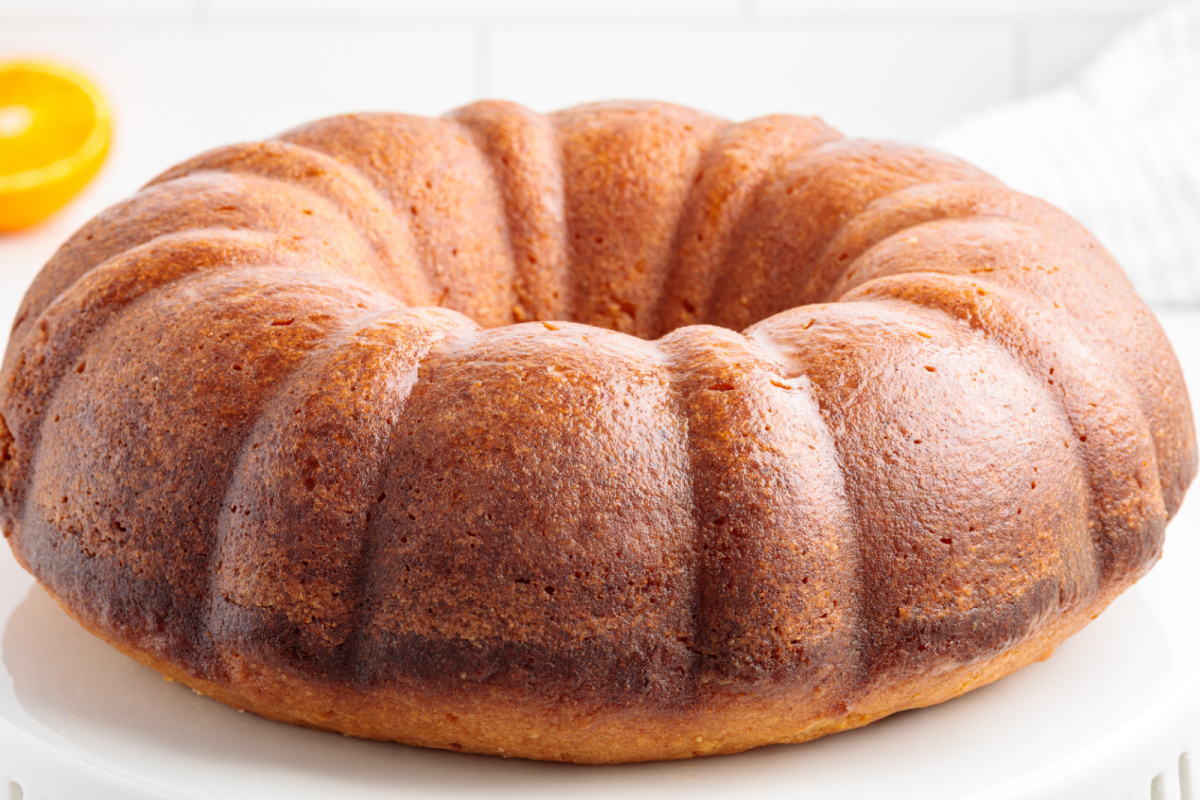
- Once the cake has cooled completely and the syrup has had a chance to do its thing, keep it at room temperature, well wrapped or in an airtight container. It holds for up to three days and gets better as everything relaxes into place.
- If you’re keeping it longer than that, refrigeration is fine for up to five days, just bring slices back to room temperature before eating. Cold does mute flavor, and this cake has things to say.
- Freezing works surprisingly well. Wrap the whole cake or individual slices tightly and freeze for up to two months. Thaw it slowly, either overnight in the fridge or on the counter, it will come back to you.
- This is the kind of cake that figures itself out after it’s made. If you can wait to enjoy it a day or two later, you will be happy you did.
FAQs
- Can I use almond flour instead of ground almonds?
Not straight across, because almond flour is finer and more absorbent, and subbing it in fully will change how the cake bakes and how it takes on the syrup. If that’s what you have, you can use it, but treat it as a partial replacement, not a one-for-one substitution. I calibrated this version for finely ground almonds, not a full almond-flour cake. - Is this cake actually boozy?
By looking at the ingredient list, you would think it was, but I say it’s flavored with alcohol, not fueled by it. It tastes like almond, citrus, and warmth, not so much “you made this with liquor.” Think café cake, not souvenir dessert. However, perception is everything when it comes to taste, and everyone is going to feel different about it. - Can I skip the bitters?
You can, but you’ll miss what I was trying to create in the background. If you have them, use them. If you don’t, eh, the cake still works. - What can I use instead of Cointreau?
Grand Marnier will work, or more Amaretto if that’s what you have. My goal was orange plus depth, not strict brand loyalty, even though I am a Cointreau loyalist. Please do not use triple sec. Please. - Can I bake this in something other than a Bundt pan?
You can, but the syrup soak is happiest in a pan with curves and crevices. If you switch pans, keep an eye on bake time and don’t rush the soak. - Is this actually Italian?
I mean, in composition, sure. Almond, citrus, syrup-soaked cakes, and liqueurs all come together comfortably in Italian baking. So I wouldn’t call this costume-Italian. Honestly, it’s doing the work.
From My Kitchen Notes
- I keep thinking about how syrup cakes are basically a trust exercise. You bake something dry on purpose and then drown it later, believing it’s going to pay off. That feels very European in thinking and also like a terrible idea until it isn’t.
- I went back and forth on vodka for about thirty seconds and then laughed. I didn’t want a neutral cake, I wanted recognizable and to remember what went into it.
- Butter alone was a no and oil alone tasted unfinished. Putting them together was admitting I don’t need to choose sides anymore.
- The bitters are my little flex, not because you’ll taste them, but because I wanted the syrup to act like something that had been thought through, not sweet for the sake of being sweet. That’s important to me.
- Soaking the cake slowly matters more than you’re going to think.
- This dessert does not peak immediately, it takes its time. I respect that.
- I thought about how different this cake is from the desserts I grew up with. Heavy Slavic cakes meant to get you through winters, like babka and Russian honey cake. This one will just get you through the afternoon, and that’s okay.
- Off topic, but this hangover cake reminds me how much I love fruit cake (I know that will make some of you squirm), not the gross holiday ones from the markets here, but the real Tuscan ones with candied lemon and orange peel, hazelnuts, figs, and raisins. I could eat that year-round and I’d be okay if someone made one for me.
More Cakes Made Around Flavor, Not Memento
- Limoncello Syrup Lemon Bundt Cake – Limoncello in the batter, a syrup brushed into every crevice, and a citrus glaze.
- Baileys Irish Cream Cake – Irish cream in the batter, as well as the glaze.
- RumChata Cake – Tastes like a snickerdoodle, you’ll love it.
This post may contain affiliate links. Please read my disclosure policy.
Italian Hangover Cake
Equipment
- Bundt pan (10-12 cup / 2.4-2.8 L capacity) Deep crevices help distribute the syrup evenly.
- Stand Mixer or hand mixer. For proper creaming and emulsifying the fats.
- mixing bowls One large, one medium.
- rubber spatula To fold the batter gently.
- Saucepan (small) For the syrup.
- skewer or wooden pick. To create soaking channels.
- cooling rack with baking sheet. To catch excess syrup during soaking.
Ingredients
Cake:
- 2⅓ cups (290 g) all-purpose flour
- ½ cup (50 g) finely ground almonds (not almond flour) use a food processor
- 2 tsps (8 g) baking powder
- ½ tsp (3 g) salt fine
- ½ cup (113 g) unsalted butter very soft
- ¾ cup (150 g) granulated sugar
- ¼ cup (50 g) packed light brown sugar
- ½ cup (120 ml) extra-virgin olive oil best quality
- 4 large eggs room temperature
- 1 tbsp (6 g) orange zest
- 1 tbsp (6 g) lemon zest
- ¼ cup (60 ml) fresh orange juice (pulp strained)
- ⅛ cup (30 ml) milk
- 3 tbsps (45 ml) Amaretto
- 1 tsp (5 ml) vanilla extract
Aromatic Syrup:
- ½ cup (120 ml) filtered water
- ½ cup (100 g) granulated sugar
- 2 tbsps (30 ml) fresh orange juice
- 2 tbsps (30 ml) Amaretto
- 2 tbsps (30 ml) Cointreau
- 2 drops Angostura bitters (optional, but you should do it)
Instructions
- Preheat the oven to 350°F (177°C). Generously butter and flour a 10–12 cup (2.4–2.8 liter) Bundt pan, taking care to coat all crevices thoroughly.
- In a medium bowl, whisk together the all-purpose flour, finely ground almonds, baking powder, and salt. Set aside.2⅓ cups (290 g) all-purpose flour, ½ cup (50 g) finely ground almonds, 2 tsps (8 g) baking powder, ½ tsp (3 g) salt
- In a large mixing bowl, beat the softened butter with the granulated sugar and light brown sugar until pale and fluffy, about 2 to 3 minutes. With the mixer running, slowly drizzle in the olive oil, allowing it to fully emulsify into the butter mixture.½ cup (113 g) unsalted butter, ¾ cup (150 g) granulated sugar, ½ cup (120 ml) extra-virgin olive oil, ¼ cup (50 g) packed light brown sugar
- Add the eggs one at a time, beating well after each addition and scraping down the bowl as needed. Mix in the orange zest, lemon zest, orange juice, milk, Amaretto, and vanilla extract until fully combined.4 large eggs, 1 tbsp (6 g) orange zest, 1 tbsp (6 g) lemon zest, ¼ cup (60 ml) fresh orange juice, ⅛ cup (30 ml) milk, 3 tbsps (45 ml) Amaretto , 1 tsp (5 ml) vanilla extract
- Gently fold the dry ingredients into the batter just until no dry streaks remain, taking care not to overmix. Spoon the batter into the prepared Bundt pan and smooth the top evenly.
- Bake for 45 to 55 minutes, until the cake is deeply golden and a skewer inserted into the center comes out clean.
- While the cake bakes, prepare the syrup. In a small saucepan, combine the water and sugar and heat over medium heat, stirring until the sugar has completely dissolved. Remove from the heat and stir in the orange juice, Amaretto, Cointreau, and Angostura bitters, if using. Set aside.½ cup (120 ml) filtered water, ½ cup (100 g) granulated sugar, 2 tbsps (30 ml) fresh orange juice, 2 tbsps (30 ml) Amaretto, 2 tbsps (30 ml) Cointreau, 2 drops Angostura bitters
- Allow the cake to cool in the pan for 10 minutes, then use a skewer to poke deep holes evenly across the surface. Slowly spoon most of the warm syrup over the cake, allowing it to absorb gradually.
- Let the cake cool for an additional 10 minutes, then carefully turn it out onto a wire rack set over a baking sheet. Brush the remaining syrup evenly over the surface of the cake. Allow the cake to cool completely before transferring to a serving plate or cake stand.
- Slice and serve at room temperature. It's better the next day if you can wait.
Notes
- Alcohol values were calculated as residual flavor contribution only after baking and soaking.
- Olive oil contributes primarily monounsaturated fat.
- Almonds increase fat, protein, and mineral content.
- Butter and flour the Bundt pan thoroughly, especially the crevices.
- Grind almonds very fine for a tender crumb.
- Add the olive oil slowly so it emulsifies fully.
- Stop mixing as soon as the dry ingredients are incorporated.
- Spoon the syrup on gradually so it absorbs evenly.
- Let the cake cool completely before slicing. It's better the next day.
Nutrition
Have you made this Italian Hangover Cake? I’d love to hear how it turned out — leave a comment below and let me know.
As an Amazon Associate and member of other affiliate programs, I earn from qualifying purchases.
Ken says
Cathy, keep dropping these life stories because they are gold. Love them.
Cathy Pollak says
Thanks.
Julie says
Fabulous cake – definitely a keeper! And the background story is so – cough – relatable 😉