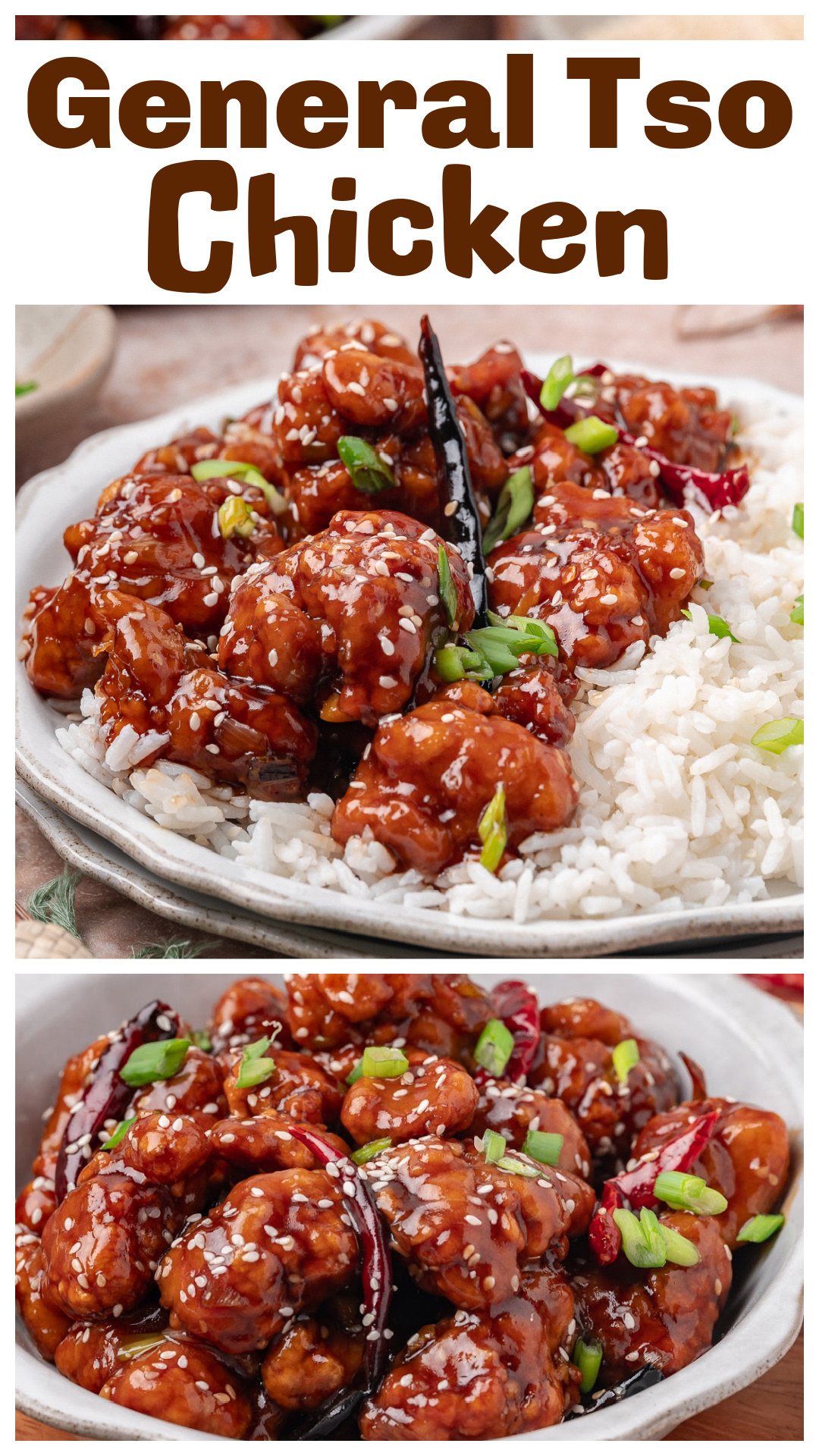
My General Tso’s chicken recipe is fried properly, sauced deliberately, and finished so the coating stays crisp. Real crunch, no shortcuts or syrupy mess, balanced spice and a sauce that knows when to stop.
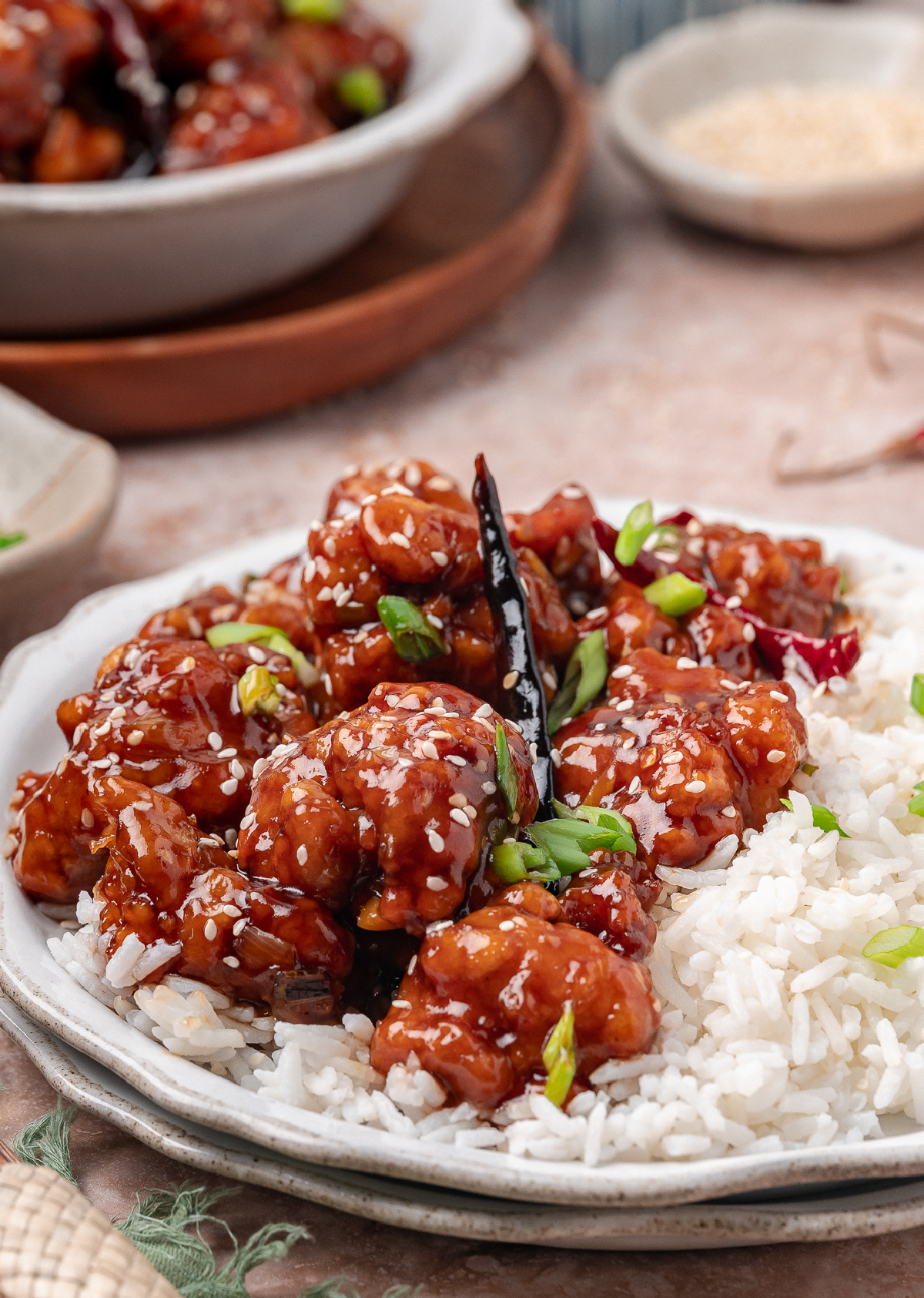
General Tso’s Chicken, Interrupted Mid-Flight
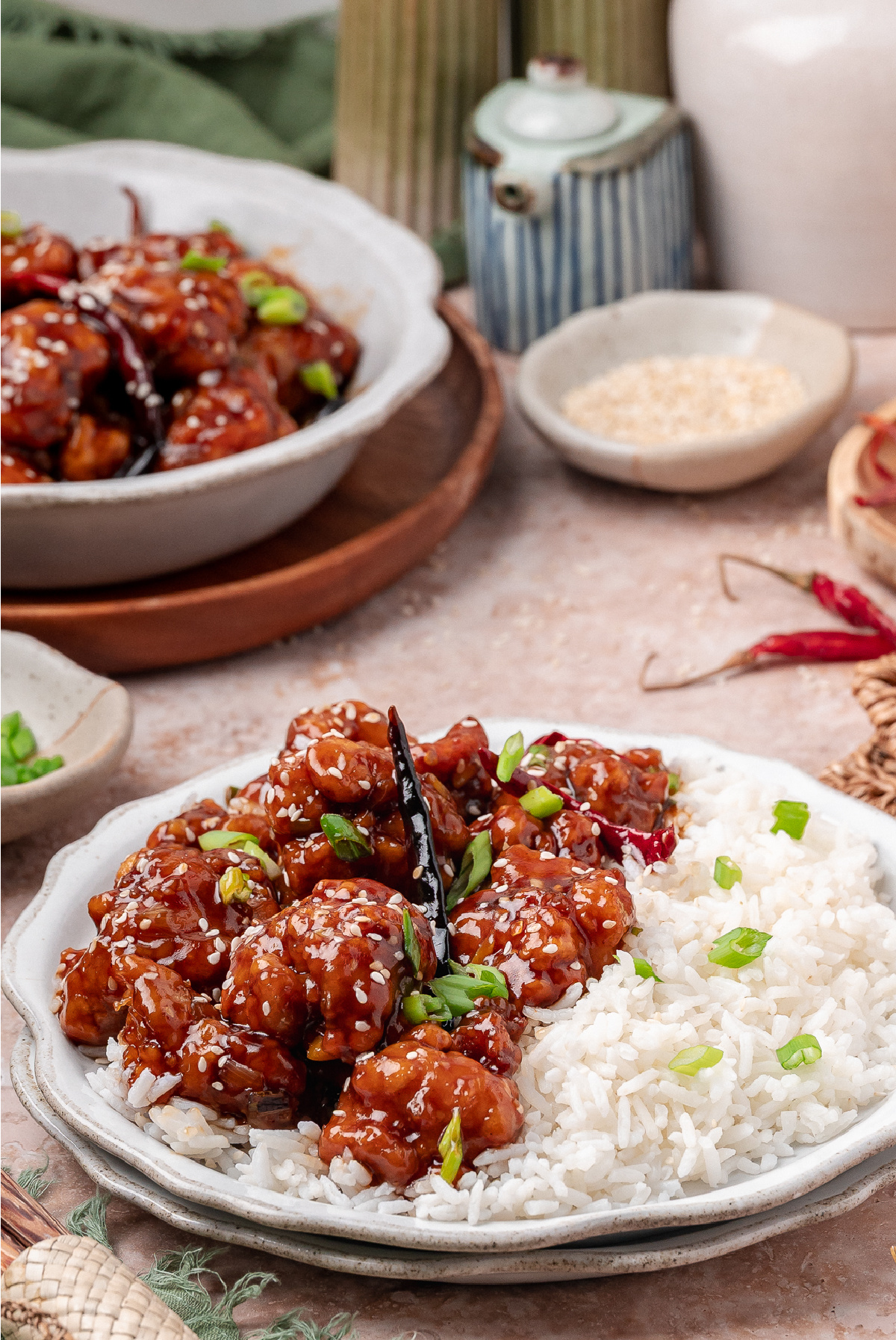
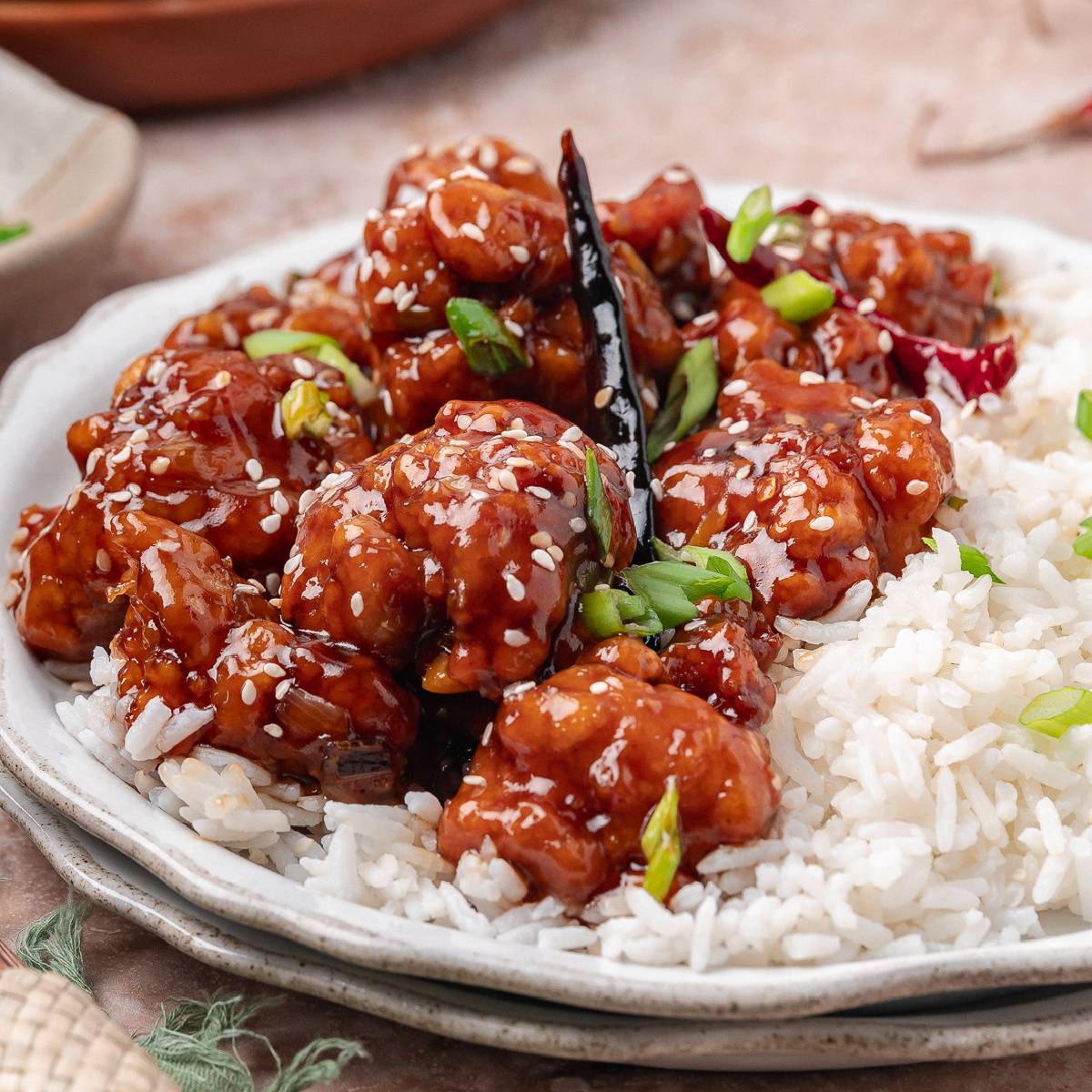
This is a homemade General Tso’s chicken recipe made to match the flavor you expect from a good neighborhood Chinese restaurant, but with better texture and control. The coating stays crisp, the sauce stays balanced, and nothing turns heavy or overly sweet.
General Tso’s chicken isn’t necessarily comfort food for me. It’s a reminder of how fast something can move, and how abruptly it can be stopped.
He didn’t almost play baseball in some vague, half-true way people like to say when they’re being gracious about disappointment. He was already in it. My dad pitched in the Pacific Coast League with the Los Angeles Angels and as a player was designated to the Chicago Cubs at a time when the PCL wasn’t some minor sideshow but a serious, high-level league operating close to Major League Baseball. This was the 1940s, when the Cubs used the Angels as their top farm team, and when Double-A was the highest designation there was. That’s where he was.
He had an insane screwball, the kind of pitch people remembered because it didn’t just fool batters, it completely embarrassed them. It was very fast and accurate. He was on a real trajectory, headed to Chicago for bullpen time with the actual Cubs team, when his path was interrupted by something bigger than talent, timing, and anything he could outwork.
The war came first. It always did then.
He was drafted into the Army Air Corps and pulled out of baseball entirely, sent to the South Pacific, to places like the Solomon Islands and Borneo, where he worked as a radio airman and helped to keep the supply lines to Australia open and intact. Long stretches of listening, waiting, decoding. Staying sharp while the humidity, constant physical strain, and pressure worked on him in ways he would have rather forgotten. My dad was extremely handsome, and the photos from that time make that obvious, but when I look at them now, I see how young he was to hold on to that much responsibility at once.
Somewhere during those years, his body betrayed him in a different way. Tuberculosis. The kind of illness with real consequences, especially in a family that already knew how lethal it could be. Three of his sisters had already died of TB in their twenties. THREE.
So when he was sent home, it wasn’t relief, it was urgency. He was honorably discharged and placed in a sanitarium for two years, sealed away from the life he had been building, the game that had molded him, and the version of himself that had been moving forward with certainty. This is how TB was treated then. Isolation and waiting. For two full years the world kept going and he was forced to stay still, seeing whether his body would clear what had already taken so much from his family.
By the time he was released, baseball had obviously moved on without him. That window closed the way opportunities often do when history decides something else matters more.
But the pitcher never left him.
I didn’t grow up with a young father chasing the future. He was forty-six when he had me. I grew up with a man who had already lost one and learned how to live the best he could anyway. Sometimes redirection is a fact on its own.
He brought it into fatherhood, in the way he watched games, and how baseball became the air in our house. I practically grew up at Dodger Stadium, seats always at first base, barely missing a game. At home, he would stand at one end of the yard when I begged him to throw that screwball, still pitching like the twenty-something who knew exactly what his arm could do. I would swear this time I’d catch it. I never did. The ball would cross the space between us too fast every time (honestly the speed and force was terrifying), and I’d dive away laughing as it hit the fence behind me. I understood without him ever saying a word that what he was offering wasn’t safety, it was the real truth of who he was.
His pitch had crazy velocity, real bite. That’s how they would describe it in baseball speak. I was always in awe of that part of him, and it’s only now that I understand how much he had to lose before becoming successful in another direction.
He loved spice in his food too. At our regular Chinese restaurant, General Tso’s chicken was always his order. I’d beg for a bite, take one, regret it immediately, and watch him enjoy it anyway. He absolutely loved it. That mattered to me.
It has taken me many rounds to get this recipe where I wanted it, the frying, the balance of savory and sweet, the way the sauce holds on, because for me this wasn’t about chasing a memory or recreating a dish exactly the way it used to be. It was more about honoring heat and spice that was always real, even when the direction changed.
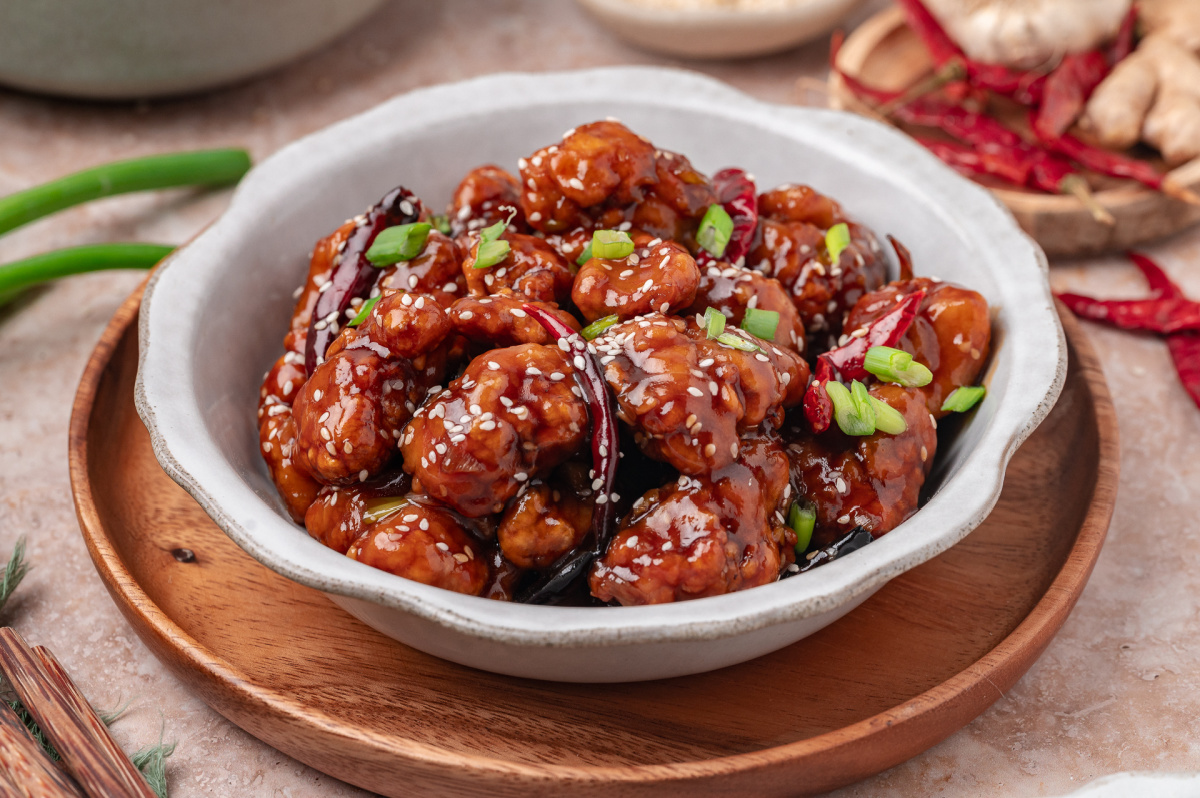
Why I Love This Recipe
- I wanted the sauce to taste like the version you get from the good neighborhood Chinese place, not the sweet, sticky knockoff that shows up at so many places now.
- None of the flavors disappear, and that’s really important with this dish.
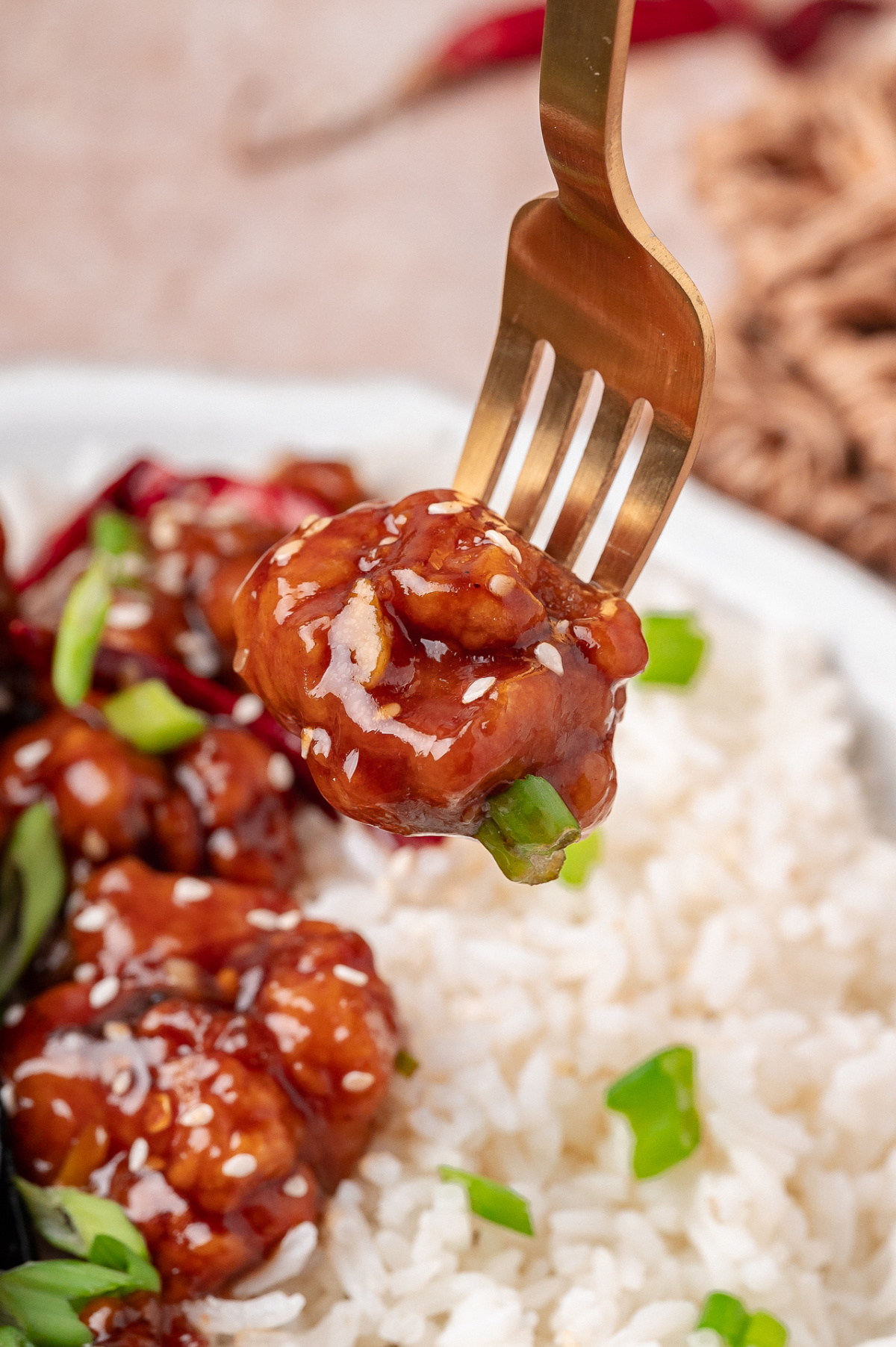
- The coating fries up light but still holds on to the sauce instead of sliding off and pooling at the bottom.
- It’s spicy without being crazy hot. This was important to me. Food that is just there to burn your mouth, I don’t understand it. Like, why are we doing this?
- The dried chilies and ginger don’t take over. They’re just there, highlighted in the best way.
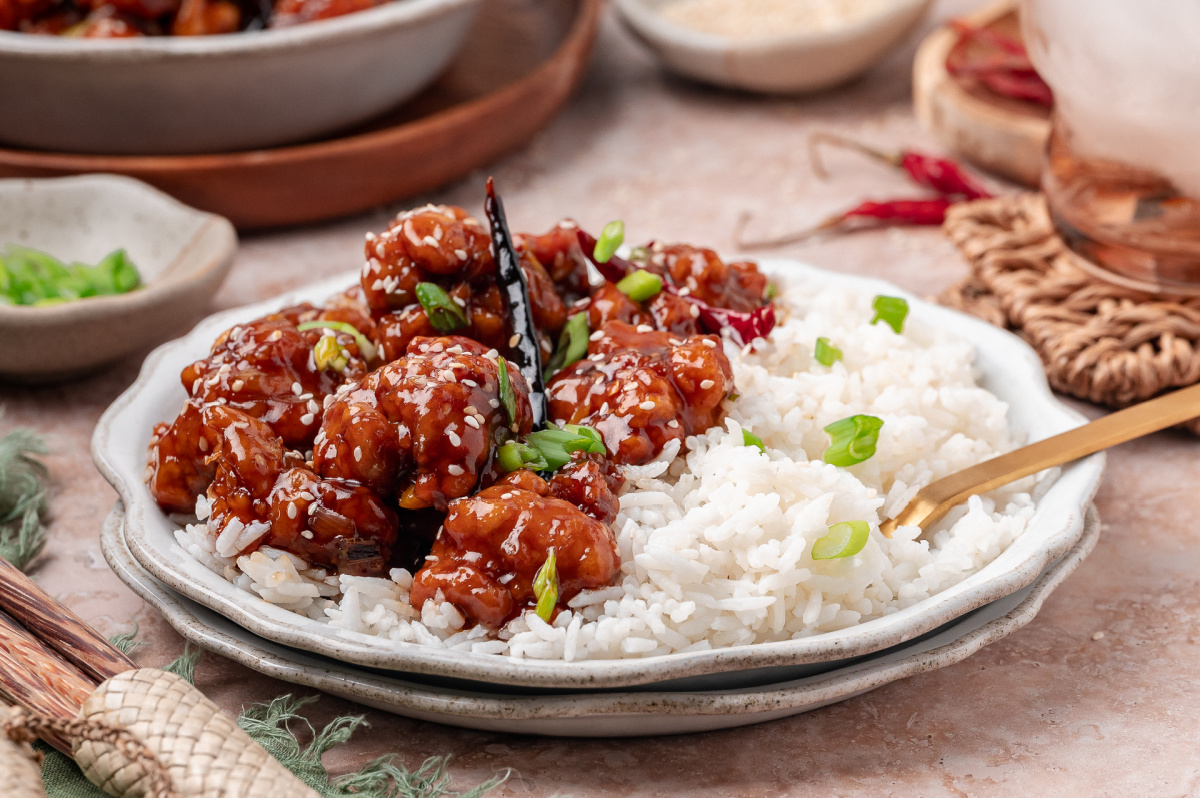
Ingredients
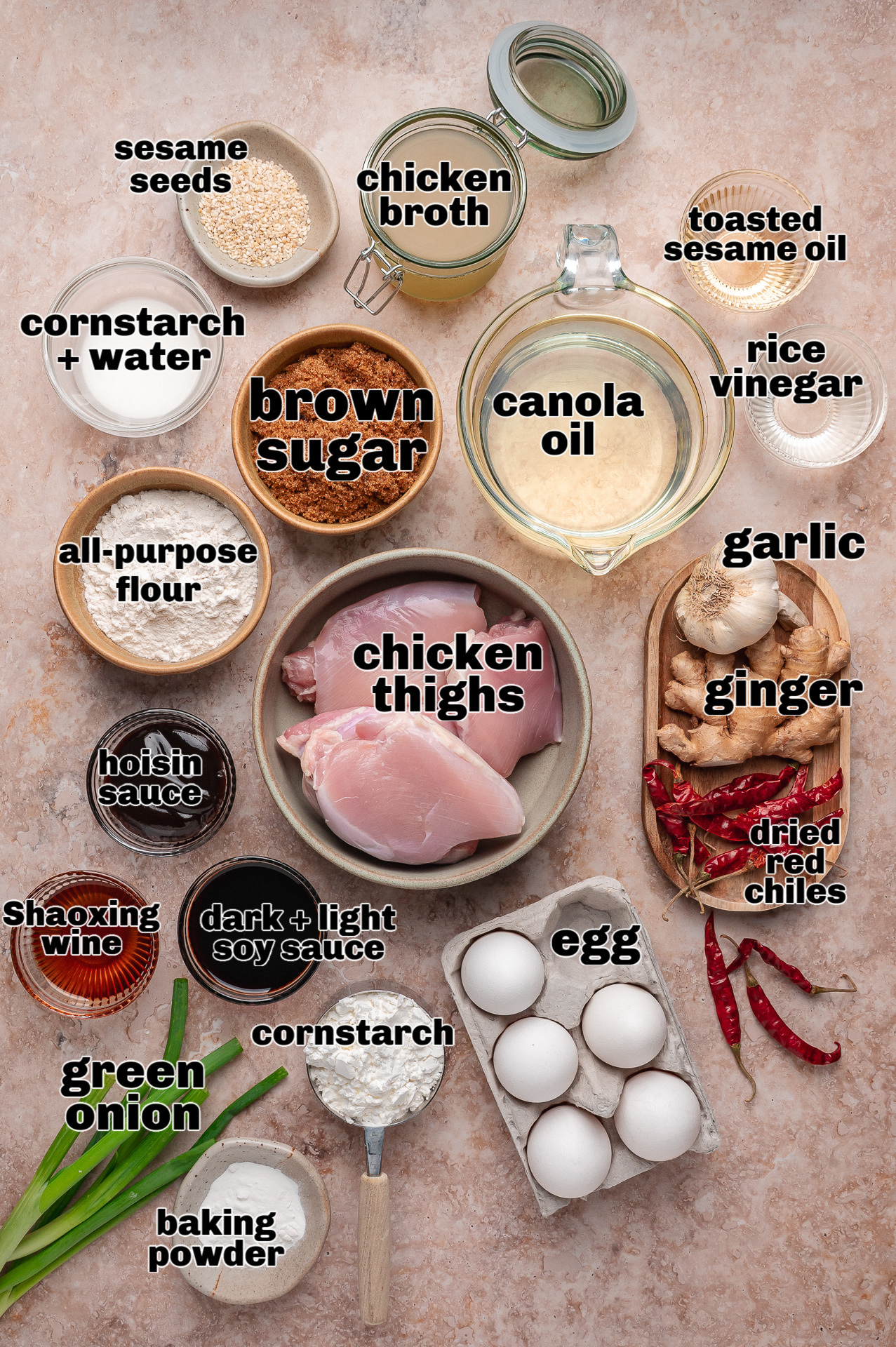
- Chicken thighs – I use thighs because they forgive you. They stay juicy even if your timing isn’t perfect, which matters when you’re frying in batches and paying attention to oil instead of a clock.
- Egg – The egg isn’t about richness, it’s about adhesion. It gives the coating something to grab onto so the crust sticks when things get violent in the oil.
- Cornstarch + all-purpose flour – Cornstarch adds the snap, and flour keeps it from falling apart once it’s coated. Think speed plus control.
- Baking powder – A small amount makes the coating lighter and less dense. It creates space where space matters.
- Canola oil – You want consistency, neutrality, and an oil that holds its temperature.
- Garlic + fresh ginger – These add flavor undertone. Don’t leave them out.
- Dried red chilies – I prefer Tien Tsin (Chinese dried red chilies) for this recipe. This is spice with boundaries and do not turn the sauce into a dare.
- Scallions (whites and greens separated) – Same ingredient, with different timing.
- Chicken broth – Keeps the sauce fluid instead of sticky.
- Regular soy sauce + dark soy – One for salt, one for color. Together they add a deeper layer of flavor. Think same team, different positions.
- Shaoxing wine – This makes it taste like it came from a restaurant, not a plan, and is one of the key ingredients in authentic General Tso’s chicken.
- Brown sugar – A soft layer of sweetness.
- Rice vinegar – The correction.
- Hoisin sauce – Adds body to the sauce without being too obvious.
- Toasted sesame oil – Always last. It’s a small addition that changes the whole ending.
- Sesame seeds – Optional, but I like the reminder that texture matters.
How to Make General Tso’s Chicken
Find the complete printable recipe with measurements in the recipe card at the BOTTOM OF THE POST.
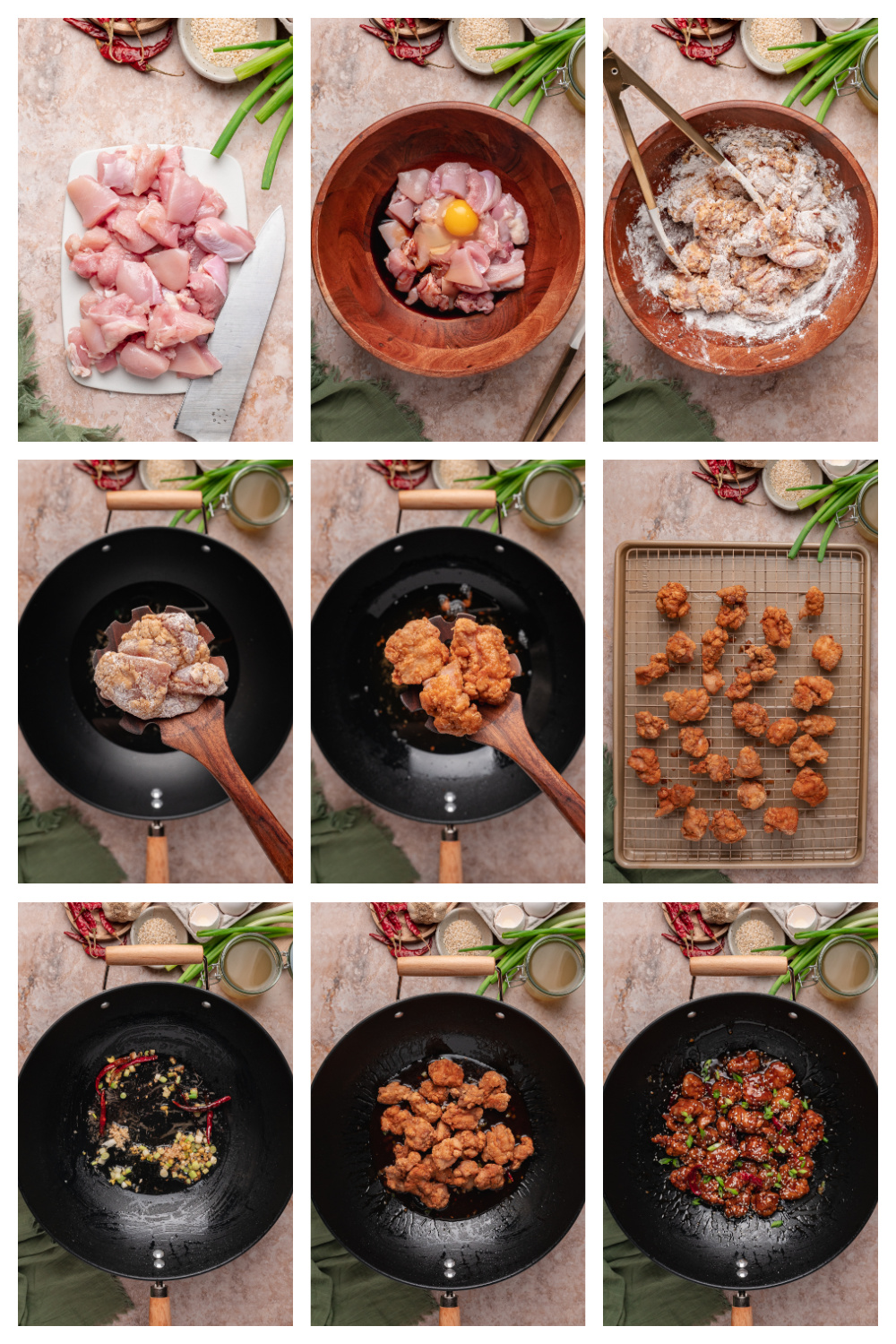
- Step One (cut and coat)
Cut the chicken into 1-inch pieces. Toss with the soy sauce and egg until everything looks evenly slick. Mix the cornstarch, flour, and baking powder, then add it to the bowl and press it on so it sticks. You’re not dusting, you’re committing. - Step Two (fry)
Bring the oil to 350°F and fry the chicken in batches for 3 to 4 minutes, until golden and cooked through. Don’t crowd the pan. Let each batch rest on a wire rack while the oil comes back up before the next round. - Step Three (reset the wok)
Strain the oil to remove any browned bits, then return it to the wok. Pour off most of it, leaving just enough to coat the bottom. Clean slate. - Step Four (aromatics)
Add the garlic, ginger, dried chilies, and the white parts of the scallions. Stir for about a minute until everything is fragrant. This part moves fast. Stay with it. - Step Five (make the sauce)
Whisk the broth, both soy sauces, Shaoxing wine, brown sugar, rice vinegar, and hoisin until smooth. Pour it into the wok and bring it to a simmer. Stir the slurry again and add it in. The sauce will come together quickly. Finish with the sesame oil. - Step Six (toss and finish)
Add the chicken back to the wok and toss until every piece is coated and glossy. Give it a minute so the sauce grabs on. Top with the green scallions and sesame seeds and serve right away.
Recipe Tips
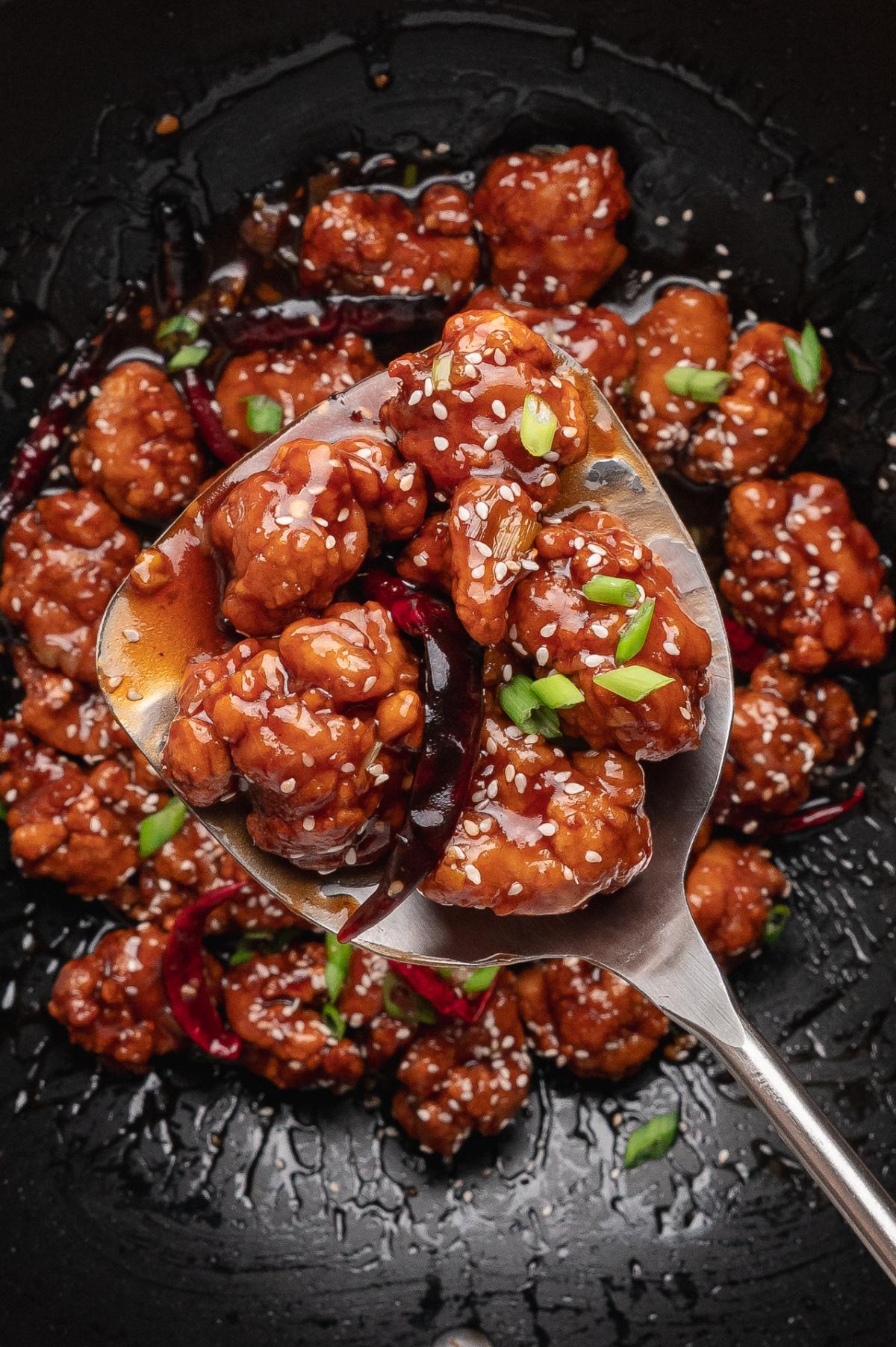
- Cut the chicken into real bite-size pieces, not nuggets or chunks. You want them to cook quickly and evenly so the coating stays crisp instead of turning into chicken armor.
- You want to press the coating on. Don’t just toss the chicken in it and hope for the best. Cornstarch really needs contact to do its thing. This is one of those recipes where your effort is going to show up in the result.
- Chicken thighs are the best choice. They stay juicy through frying and saucing, which gives you more room to work without stressing about overcooking. You don’t get this assurance with chicken breast.
- Keep the oil right around 350°F and let it recover between batches. Not waiting is how you end up with pale chicken that never quite gets there.
- Make sure to strain the oil after frying. The browned bits do not add character, they just burn and mess with the sauce later.
- Cook the garlic, ginger, and chilies briefly and stay with it. This part moves fast, and once garlic goes wrong, there’s no fixing it.
- Mix the sauce up before adding it to the wok. It keeps the sugar from clumping and lets everything come together fully instead of in stages.
- Whisk the cornstarch slurry again right before adding it. It separates immediately and you’ll wonder why nothing’s thickening if you forget.
- Add the chicken back only once the sauce is ready. You want the coating to grab onto the glaze, not soak in it and give up.
- Serve it right away. This dish is at its best when the coating still has crunch.
Storage & Leftovers
- Again, this is best right after it’s made, when the coating still has its crunch. That said, leftovers are absolutely worth keeping if you store them correctly.
- Once cooled, transfer the chicken to an airtight container and refrigerate for up to 3 days. The flavor does hold. The coating will soften, but it doesn’t turn soggy in a way that feels like a loss. It just becomes something slightly different.
- To reheat, use a skillet over medium heat with a small splash of water or broth and a lid for the first minute, then uncover and let it finish warming through. The steam brings it back, the open pan brings some texture back. The microwave works in a pinch, but you already know that’s not where this comes out best.
- I don’t freeze this. The sauce survives, but the coating doesn’t come back the same, and this isn’t a recipe I want halfway versions of. If I’m making it, I’m making it to eat now or tomorrow, not to forget about it.
- If you do end up with extra, it’s good cold, straight from the container, standing in the kitchen looking out the window, which I say only because it’s true.
FAQs
- Can I use chicken breast instead of thighs?
You can, but I wish you wouldn’t. Thighs stay juicier and forgive you more, but breast works if that’s what you want. You’ll need to lower your expectations for tenderness and flavor, though. - Why cornstarch and flour in the coating?
Cornstarch gives you that crisp shell. Flour helps it survive the sauce. One without the other doesn’t result in the same ending. - Do I really need to fry in batches?
Yes! Crowding drops the oil temperature and you lose the crunch. This is one of those moments where your patience will pay off. - Can I skip the dried chilies?
You can, but you’ll miss the spice they add. If you’re substituting, use crushed red pepper flakes instead. - What if I don’t have Shaoxing wine?
Dry sherry will work in mostly the same way. If you skip it entirely, the sauce still functions, but it loses a layer that makes it feel finished. - Why strain the oil?
Those little browned bits turn bitter if they stay in the pan. Straining takes thirty seconds and keeps the sauce clean. - Can I make the sauce ahead of time?
You can mix it in advance and keep it in the fridge for a day. Just whisk it again before it hits the pan. Cornstarch likes to wander. - Is this super spicy?
I would say it’s assertive. You can dial it up or down easily, but I made sure the overall recipe is balanced, and not a dare. - Can I double this?
Yes, as long as you fry in batches and don’t hurry the sauce. Scale it carefully and it will hold. - Is this an authentic General Tso’s chicken recipe?
General Tso’s chicken is a Chinese-American dish, not a traditional Chinese recipe. This version focuses on the restaurant-style flavor most people recognize, with better texture and control at home.
From My Kitchen Notes
- I always notice how the chicken looks right before it goes into the oil. It’s awkward. Most things worth eating or loving look like that at first.
- Flour, cornstarch and egg all do different jobs. None of them can cover for the others. I notice that kind of thing everywhere, not just in cooking.
- Cornstarch especially acts like a good screwball. You don’t see why it works until it’s already past you.
- I see a similarity in frying in batches and how pitchers are developed. You don’t throw everything at once. You give each piece its own moment, then pull it before it gets ruined.
- If you didn’t know, General Tso was a real person and historical figure. Military, strategic, probably a zero nonsense type of guy. The chicken is an American invention, but I like to think the name survived because he sounds like someone who would absolutely demand proper frying technique and have no patience for soggy coating. I know I would like him.
- Frying sounds tell you more than the clock ever will. I learned that early. You either trust it or you don’t.
- My oldest son has his grandfather’s pitching arm. Same kind of power and reach. It was wild and untamed. Watching that show up again, one generation down, always stopped me in my tracks. Some things don’t disappear just because they weren’t fully used the first time. They pass on.
- If you understand timing, you’ll understand this dish immediately.
- I don’t mind repetition when it’s in service of mastery. I learned that watching someone throw the same pitch thousands of times knowing only a few people would ever really see it.
- I always wonder if some flavors are inherited, not learned. My love of spicy food didn’t come from experimentation, it came from sitting across the table from someone who ordered it.
- I grew up knowing that a few minutes can change a whole life, and that most of what’s important takes place while everyone is watching something else.
- This recipe always leaves me thinking about what almost happened, and what still mattered anyway.
Technique Over Takeout
- Chicken Fried Rice – Wok heat, fast control.
- Kung Pao Chicken – Spicy sauce, tender chicken.
- Ginger Beef – Crisp edges, bold glaze.
- Crab Rangoon – Shatter-crisp, creamy center.
- Egg Drop Soup – Silky, comforting, fried wonton strips.
- Crispy Hawaiian Mochiko Chicken – Deep fry, real crunch.
This post may contain affiliate links. Please read my disclosure policy.
General Tso's Chicken
Equipment
- wok or deep heavy skillet. Holds temp for frying and sauce finishing.
- cooling rack set over a baking sheet. Keeps fried chicken crisp.
- large fine mesh sieve Removes browned bits from oil after frying.
- mixing bowls For coating and sauce prep.
- whisk Combines slurry and sauce smoothly.
Ingredients
Chicken and Coating:
- 1 lb (454 g) boneless, skinless chicken thighs
- 2 tbsps (30 ml) low sodium soy sauce
- 1 large egg
- ½ cup (64 g) cornstarch
- ¼ cup (30 g) all-purpose flour
- ½ tsp (2 g) baking powder
- 2 cups (480 ml) canola oil for frying
Sauce:
- 2 cloves garlic minced
- 1 tbsp (15 g) freshly grtaed ginger
- 6 dried red chiles you could also use Chiles de árbol it will just be a little spicier.
- 4 green onions (scallions) whites and greens separated
- ⅓ cup (80 ml) low-sodium chicken broth
- 2 tbsps (30 ml) low sodium soy sauce
- 1 tbsp (15 ml) dark soy sauce
- 2 tbsps (30 ml) Shaoxing wine
- ¼ cup (50 g) packed light brown sugar
- 2 tbsps (30 ml) rice vinegar
- 2 tbsps (30 ml) hoisin sauce
- 1 tbsp (8 g) cornstarch mixed with 2 tablespoons (30 ml) of water
- 1 tsp (5 ml) toasted sesame oil
- sesame seeds for garnish
Instructions
- Cut the chicken thighs into 1-inch (2.5 cm) bite-size pieces and place them in a large mixing bowl. Add the soy sauce and egg and toss until the chicken is evenly coated.1 lb (454 g) boneless, skinless chicken thighs, 2 tbsps (30 ml) low sodium soy sauce, 1 large egg
- In a separate bowl, whisk together the cornstarch, all-purpose flour, and baking powder. Add this mixture to the chicken and press it onto each piece so the coating adheres well and forms a thick, even layer.½ cup (64 g) cornstarch, ¼ cup (30 g) all-purpose flour, ½ tsp (2 g) baking powder
- Heat the canola oil in a wok or deep, heavy skillet to 350°F (177°C). Working in batches to avoid overcrowding, carefully lower the coated chicken into the hot oil and fry for 3 to 4 minutes, or until golden brown and cooked through. Transfer the fried chicken to a wire rack set over a baking sheet. Allow the oil to return to 350°F (177°C) between batches.2 cups (480 ml) canola oil
- Once frying is complete, carefully strain the hot oil through a fine-mesh strainer to remove any browned bits. Return the strained oil to the wok, then pour off most of it, leaving a thin layer in the bottom of the wok.
- Place the wok over medium heat. Add the minced garlic, grated ginger, dried red chilies, and the white parts of the scallions. Cook for about 1 minute, stirring constantly, until fragrant.2 cloves garlic, 1 tbsp (15 g) freshly grtaed ginger, 6 dried red chiles, 4 green onions (scallions)
- In a bowl, whisk together the chicken broth, soy sauce, dark soy sauce, Shaoxing wine, brown sugar, rice vinegar, and hoisin sauce until the sugar is dissolved. Pour the sauce mixture into the wok and bring it to a simmer.⅓ cup (80 ml) low-sodium chicken broth, 2 tbsps (30 ml) low sodium soy sauce, 1 tbsp (15 ml) dark soy sauce, 2 tbsps (30 ml) Shaoxing wine, ¼ cup (50 g) packed light brown sugar, 2 tbsps (30 ml) rice vinegar, 2 tbsps (30 ml) hoisin sauce
- In a small bowl, whisk together the cornstarch and water to create a slurry. Stir the slurry again, then pour it into the simmering sauce. Cook, stirring, until the sauce thickens and becomes glossy. Stir in the toasted sesame oil.1 tbsp (8 g) cornstarch, 1 tsp (5 ml) toasted sesame oil
- Return the fried chicken to the wok and toss until each piece is evenly coated in the sauce. Cook for 1 to 2 minutes, just until the chicken is heated through and well glazed.
- Transfer to a serving dish and garnish with the green parts of the scallions and sesame seeds before serving.sesame seeds
Notes
- Fry in batches to maintain oil temperature and proper texture.
- Press the coating firmly onto the chicken for best results.
- Strain oil after frying to prevent bitterness in the sauce.
- Chicken thighs provide better moisture and flavor than chicken breast.
- Sauce thickens quickly once slurry is added, stir continuously.
- Nutrition values reflect estimated oil absorption during frying, not the full 2 cups used.
- Approximately 2 to 3 tablespoons of oil are absorbed into the finished dish, which is accounted for in the total fat and calorie calculations.
Nutrition
Have you made this General Tso’s Chicken recipe? I’d love to hear how it turned out – leave a comment below and let me know.
As an Amazon Associate and member of other affiliate programs, I earn from qualifying purchases.
Henney says
This was better than any take out. You’ve taught be not to be afraid of frying things and I love that for me. This was so good.
William says
Came out great. Sauce was excellent.
Nancy says
I new it would be good, but turned out better than expected. Thanks
Cal says
This really really turned out well. The frying, the everything.