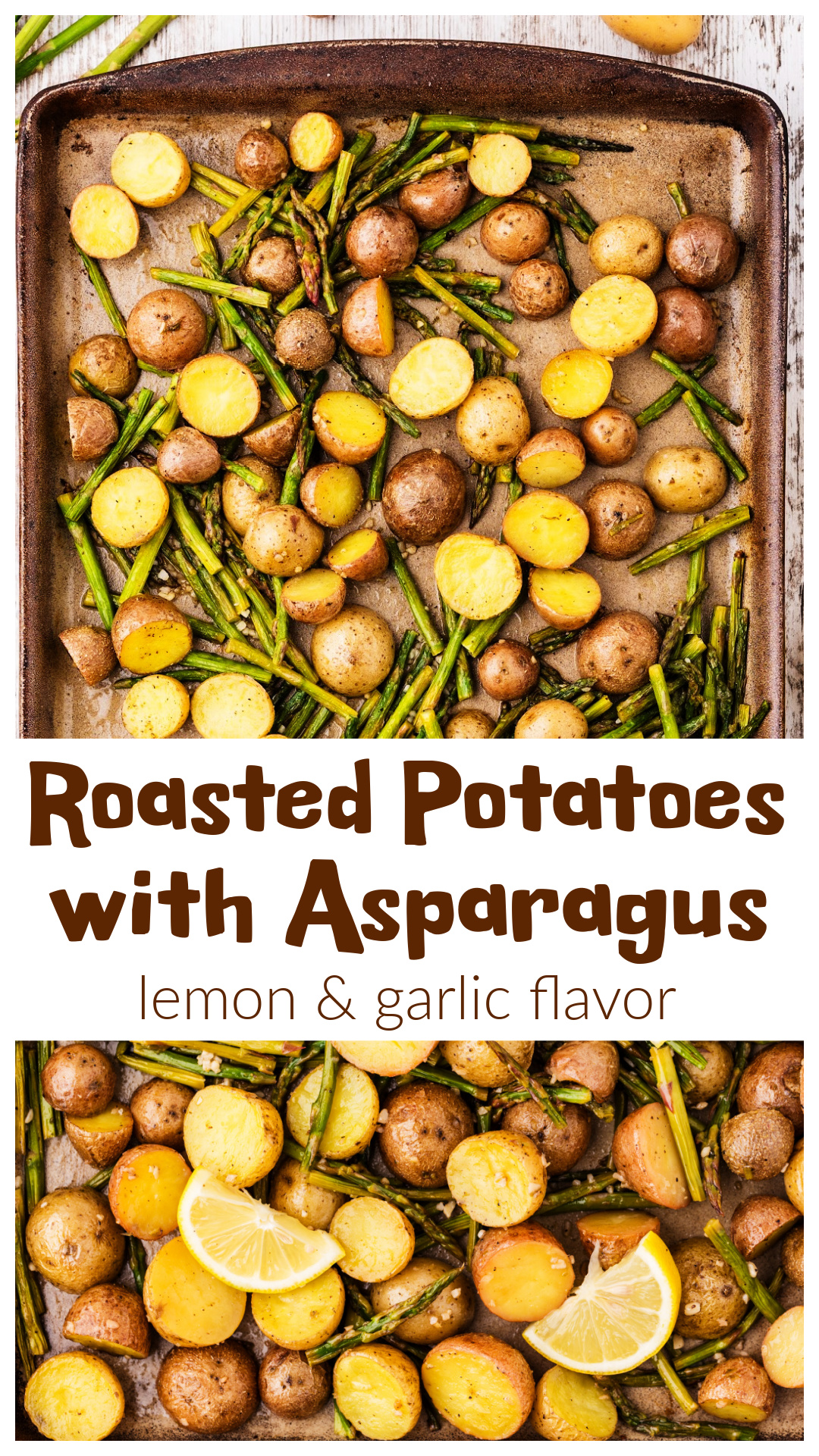
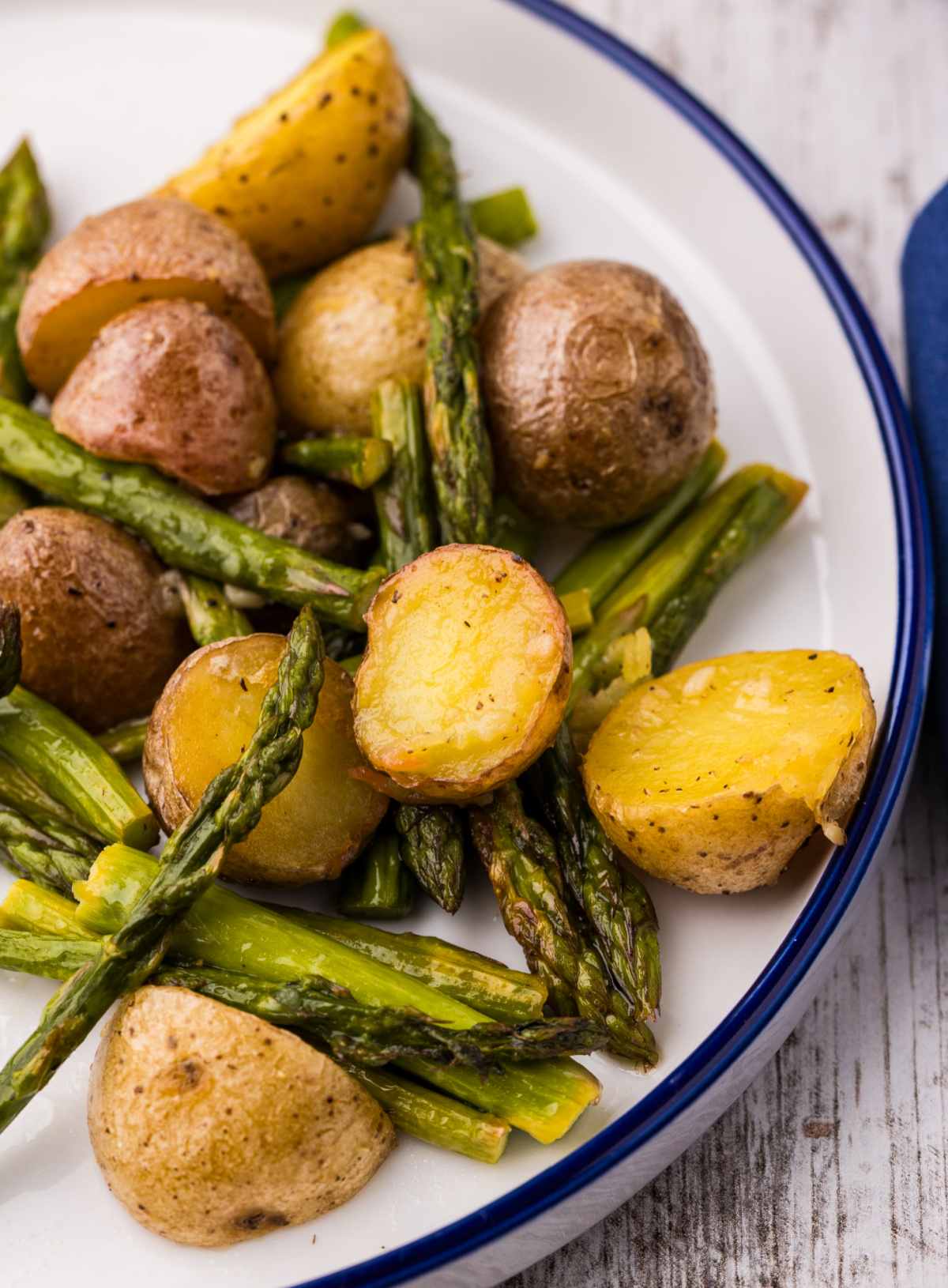
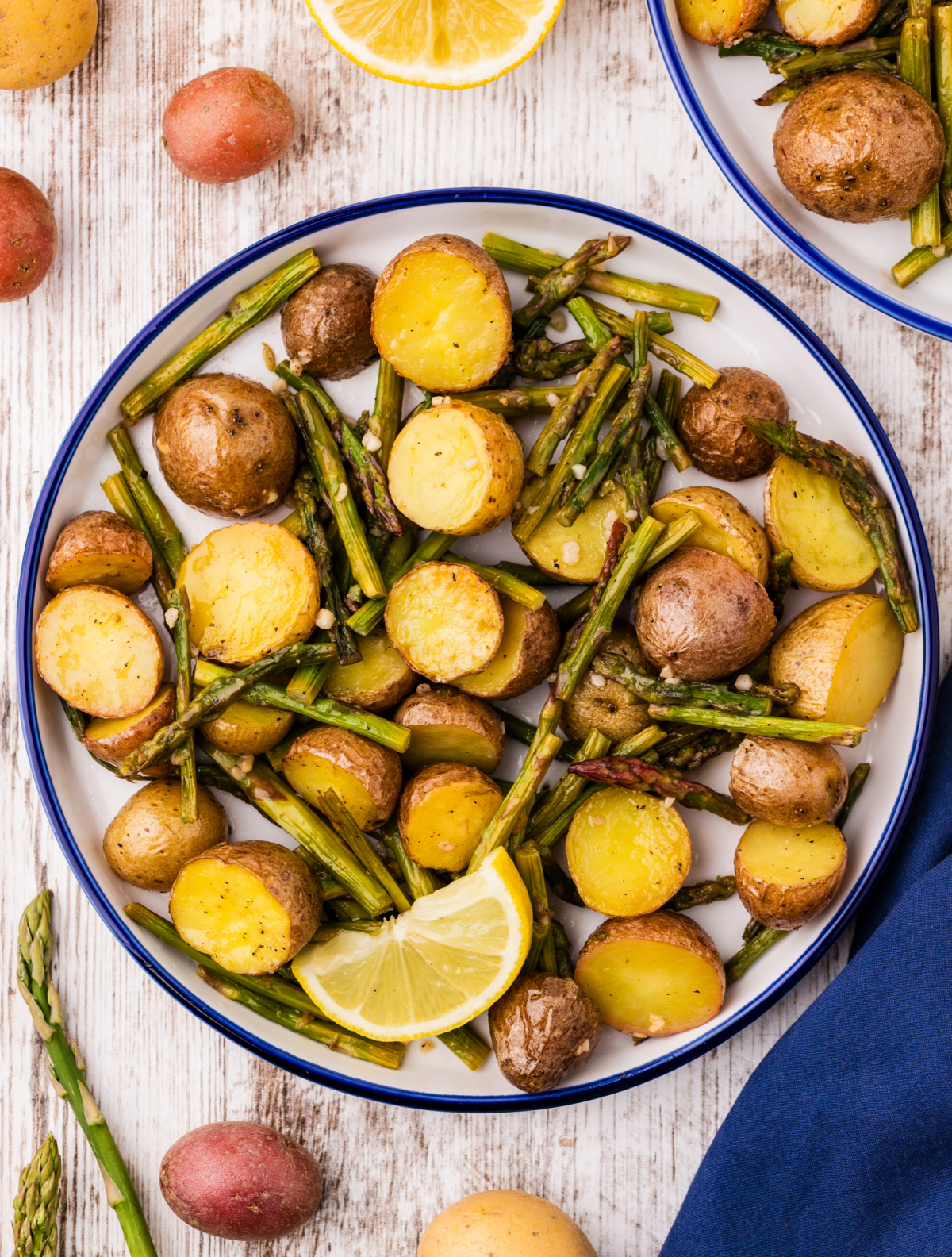
Roasted potatoes and asparagus with lemon and garlic, made to match how each ingredient cooks. The potatoes get their color, and the asparagus stays just right.
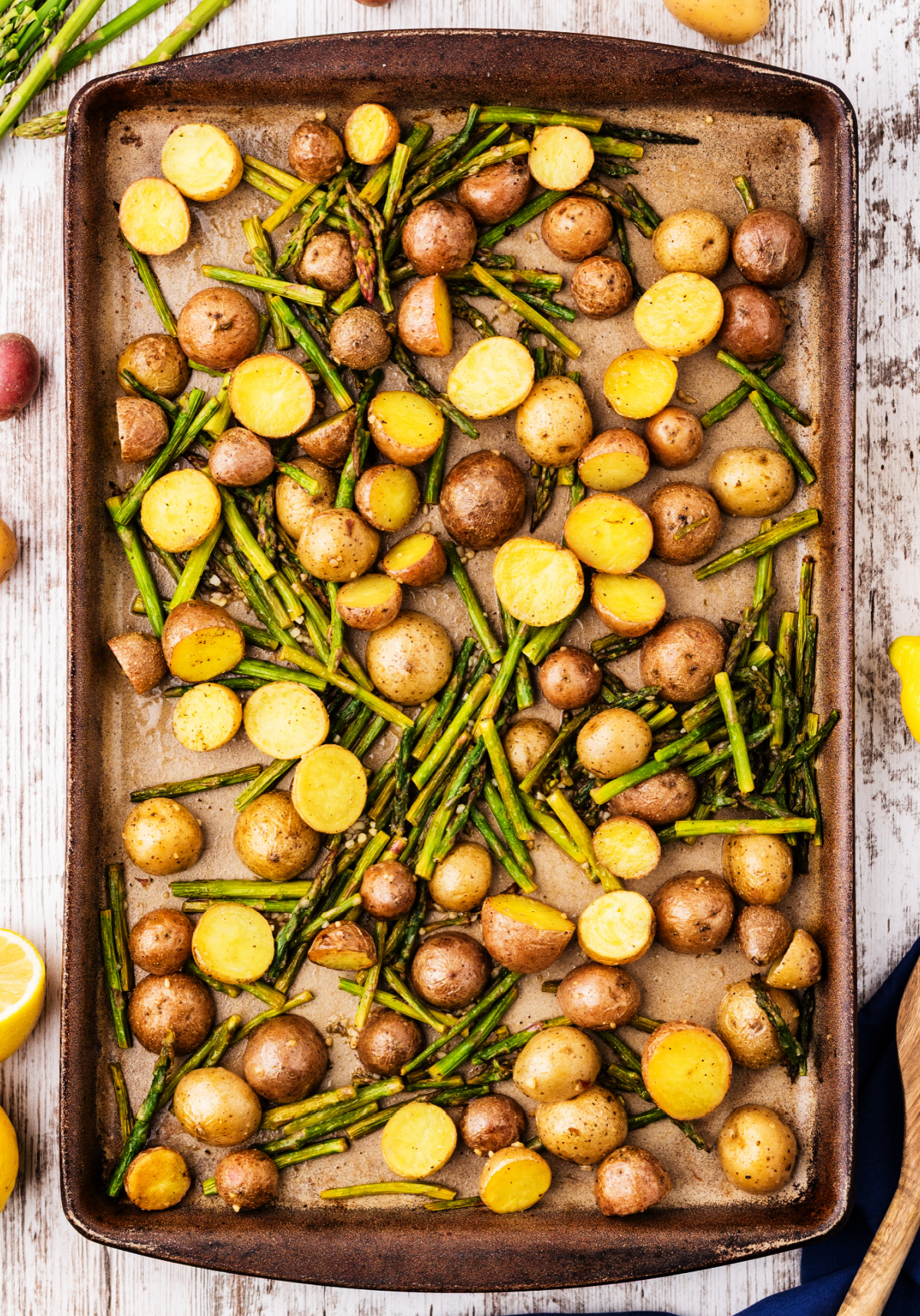
Roasted Potatoes and Asparagus, Glacier Week
At some point in the 90s I got it in my head that Alaska was where I should learn how to whitewater raft, which even now feels like a decision that should have been intercepted by someone, anyone, just a light hand on my shoulder like are you sure about that. But no, off I went, Southern California girl packing for “August” like that meant anything, flying into Juneau with this plan that I would ease myself in on the class 3 runs near the Mendenhall Glacier and then, once I felt confident, continue on up toward Anchorage to Denali for something more aggressive, which is so insane in hindsight that I almost respect it.
It rained the entire time.
It wasn’t dramatic rain, just steady enough, very cold, with low clouds sitting in the surrounding mountains like they had nowhere else to be, and the river was fed straight off the icefield so the water was this gray, fast, indifferent thing that hung just above freezing, and every time it slapped into the raft it didn’t feel like water so much as something trying to correct the mistake I’d made by being there. I wore all the gear, the boots, the gloves, everything they told me would keep me dry, and it did, technically, but the cold didn’t stay on the outside. It worked its way in slowly until I stopped asking myself if I was cold and started wondering if this is just how my body feels now.
At one point, the river guides said, very casually, that if you fall in you have minutes, not in a scary way, just in a factual, “this is the situation” tone, and I remember thinking okay, great, good to know, while also realizing I had signed up for this voluntarily and was still planning to go find something even bigger after this week, which tells you everything you need to know about me in my twenties.
We’d pull off along the banks under these towering Sitka spruce and hemlock trees, everything dripping, the ground was soft, sometimes with brown bears farther up the edge of the river like we were all just sharing space and pretending that was normal, and they’d build these big fires that looked like they should help keep us warm but didn’t, not really, not in any lasting way.
And then the cooking would begin.
Always potatoes. Sliced, halved, thrown onto some sort of flat top with oil and garlic, sometimes whatever else they had, and I swear to you the smell hit before the heat did, cutting through wet wool, river, and smoke it created, and I’d stand there holding this pile of hot, garlicky potatoes like it was the first rational decision I’d made all day, which it probably was, and for a few minutes my hands and face would come back and my whole body would remember that it belonged to me.
I didn’t think about it again for years, not in any thoughtful way, but every time I make something like these roasted potatoes and asparagus, tossed with lemon and garlic, then spread out on a sheet pan so the edges catch and brown instead of steaming into something else, that week comes back to me in pieces, the sound of the water, the constant damp, and the feeling of being just this side of too cold. And it still surprises me that something as simple as potatoes could cut through all of that when nothing else could.
Which is probably why I’m still particular about how I do it.
The potatoes go in first, because they need the time, and the asparagus follows later when it makes sense, not before, and certainly not all at once, with the garlic added where it keeps its bite, and the lemon where it still tastes like something instead of disappearing into the pan, because if you’re going to make oven roasted vegetables, they might as well do what they’re supposed to do.
Timing is the whole thing.
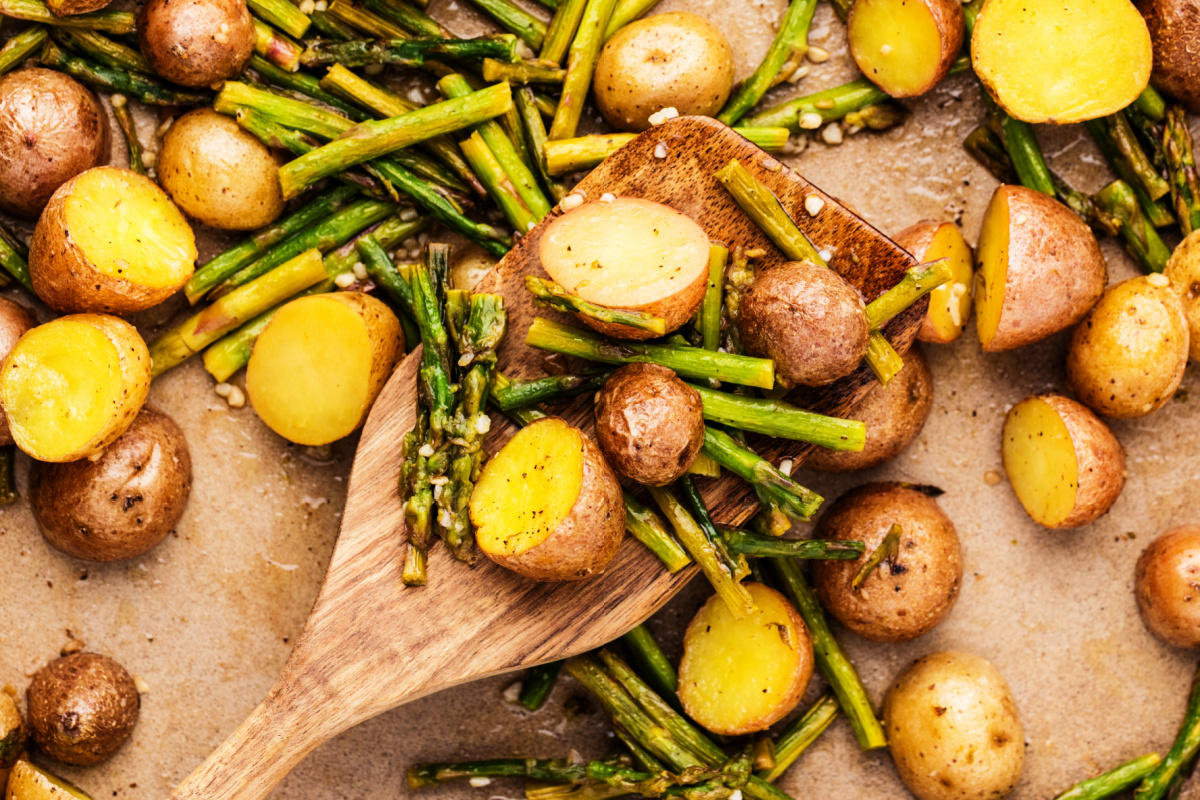
Why This Method Works Better
- Potatoes go in first because they need the time to soften and start picking up color. They’re not going to hurry for you, and if you try to make everything happen at once, they stay underdone while everything else gives up.
- Asparagus doesn’t belong at the beginning. It cooks fast, and if you treat it like potatoes, it ends up tired and over it by the time the potatoes are ready.
- Garlic goes in later because it has a short stretch where it does what you want. After that, it doesn’t.
- Lemon doesn’t go in early either. It needs to hit when everything’s almost there, otherwise it fades out and you’re left wondering where it went.
- It’s one pan, but not all at once. That’s the difference.
- It comes together if you let it. That isn’t the hard part.
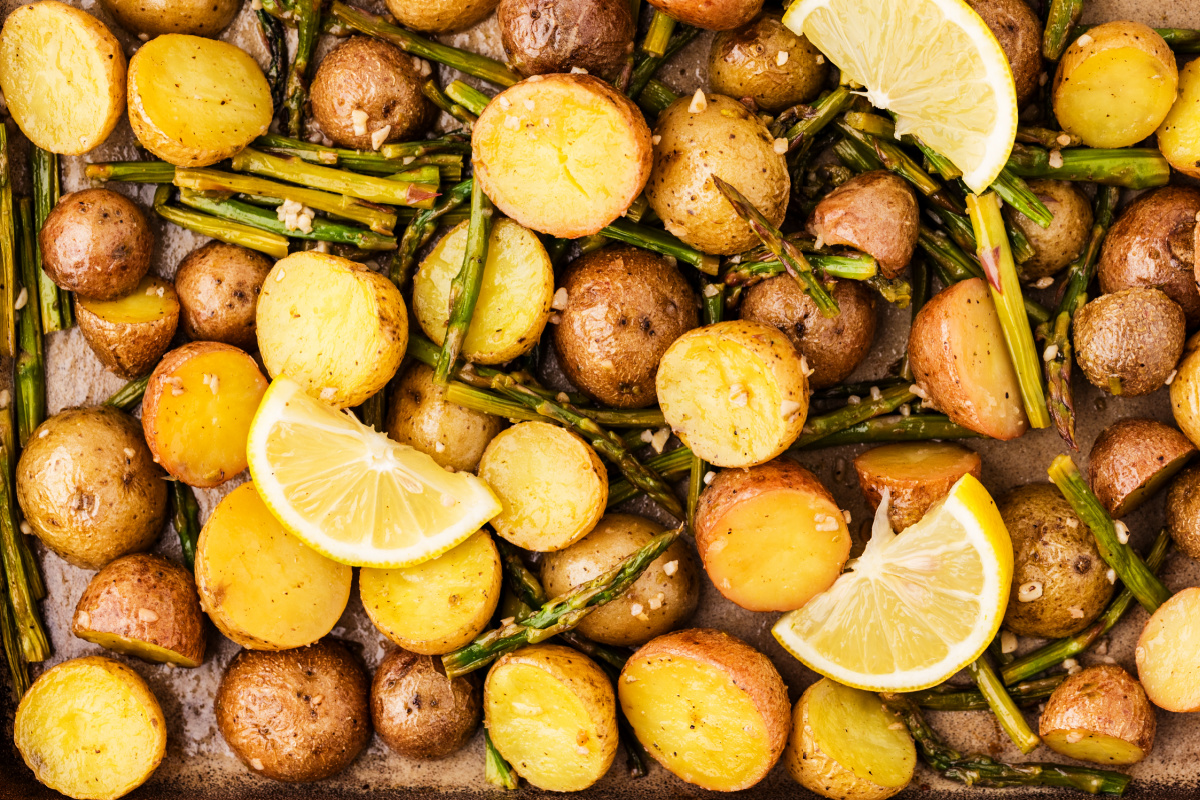
Ingredients
- Baby potatoes – Thin-skinned and small enough to halve evenly. They roast through and get those golden edges you’re expecting if you leave them alone long enough.
- Olive oil – Coats everything so it browns. Don’t skimp or it won’t do what you expect.
- Asparagus – Trim the woody ends. Cut into pieces that make sense so it cooks evenly in the time it gets.
- Garlic – Goes in later or it turns on you. There’s a moment where it’s exactly right. What you do with it is the part that matters.
- Lemon juice – Fresh, not bottled. It goes in toward the end. If you wait too long, it still works. If you don’t add it at all, that’s a different decision.
- Salt and black pepper – Enough to bring everything together.
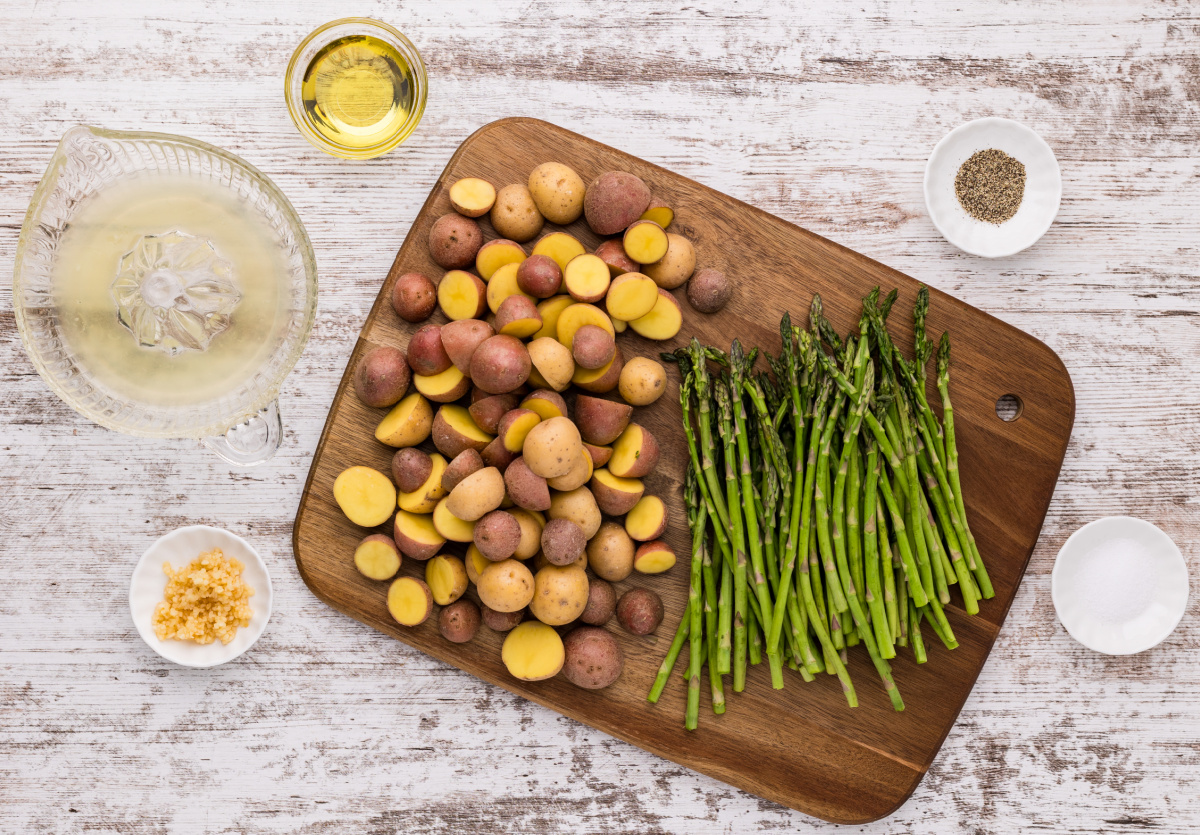
How to Roast Potatoes and Asparagus So They Both Turn Out Right
Find the complete printable recipe with measurements in the recipe card at the BOTTOM OF THE POST.
- Step One (start the potatoes first)
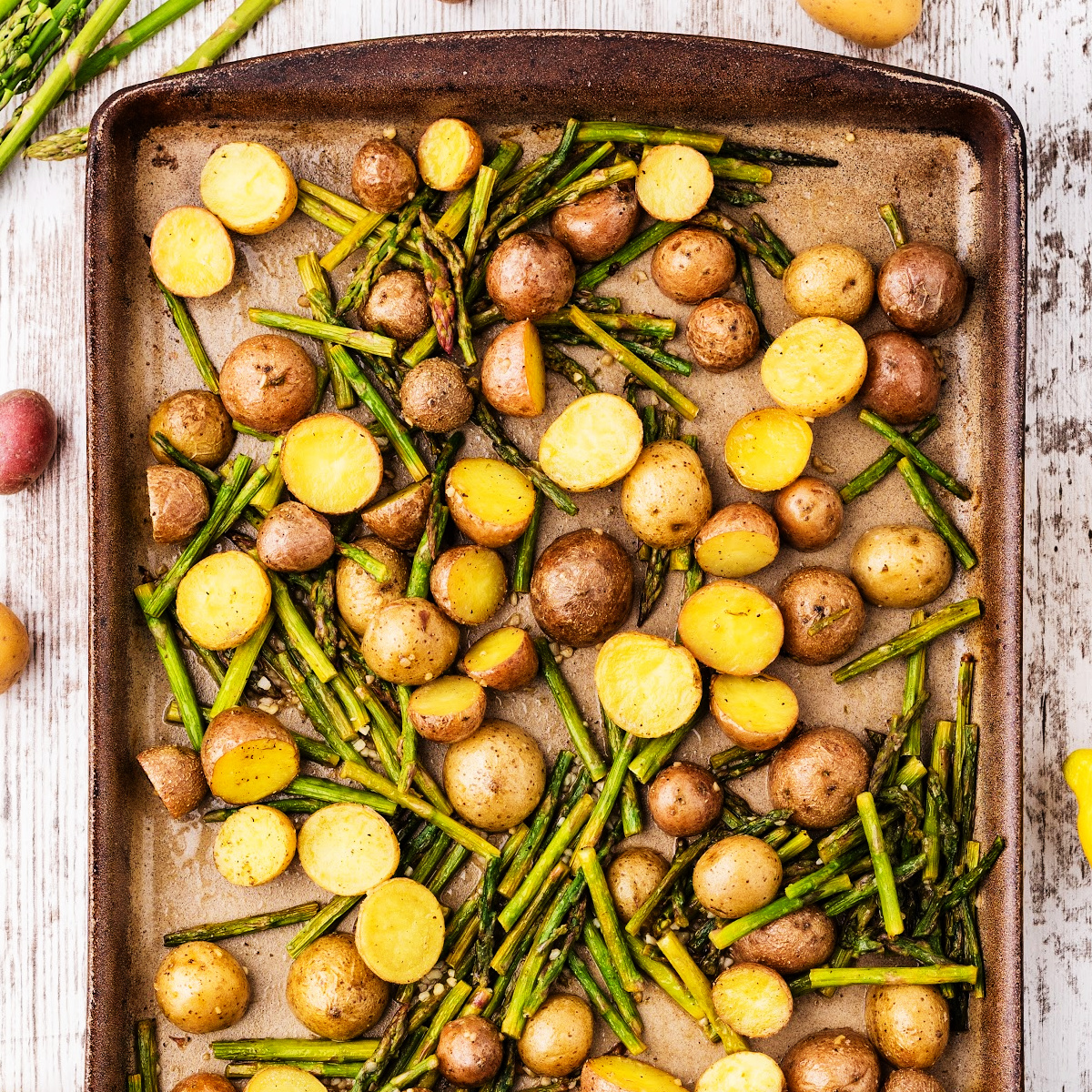
Get the oven to 400°F. Put the halved potatoes on a rimmed sheet pan with olive oil, toss them around, then leave them cut side down in a single layer and don’t keep messing with them. Let them go for about 20 minutes until they start to soften and pick up some color, because they’re not going to catch up if you hurry this part. There’s usually a point where they’re ready, and you can feel it. Most people see it and wait anyway. - Step Two (add the asparagus, garlic, and lemon)
Pull the pan out and add the asparagus and garlic, then drizzle in the rest of the oil and the lemon juice, season everything, toss it once, and spread it back out so nothing’s piled up. The garlic goes in now because it doesn’t have the patience for a full roast, and the lemon goes in here so it still tastes like lemon when it comes out of the oven. - Step Three (finish roasting)
Back into the oven for another 8 to 12 minutes, just until the asparagus is tender and the potatoes are fully cooked with those golden edges. Keep everything in a single layer or it just sits there and gets soft, which is not what you’re here for. - Step Four (taste and adjust)
Take it out, taste it, and fix it if it needs it. More salt, more pepper, another squeeze of lemon. You’ll know when it’s right.
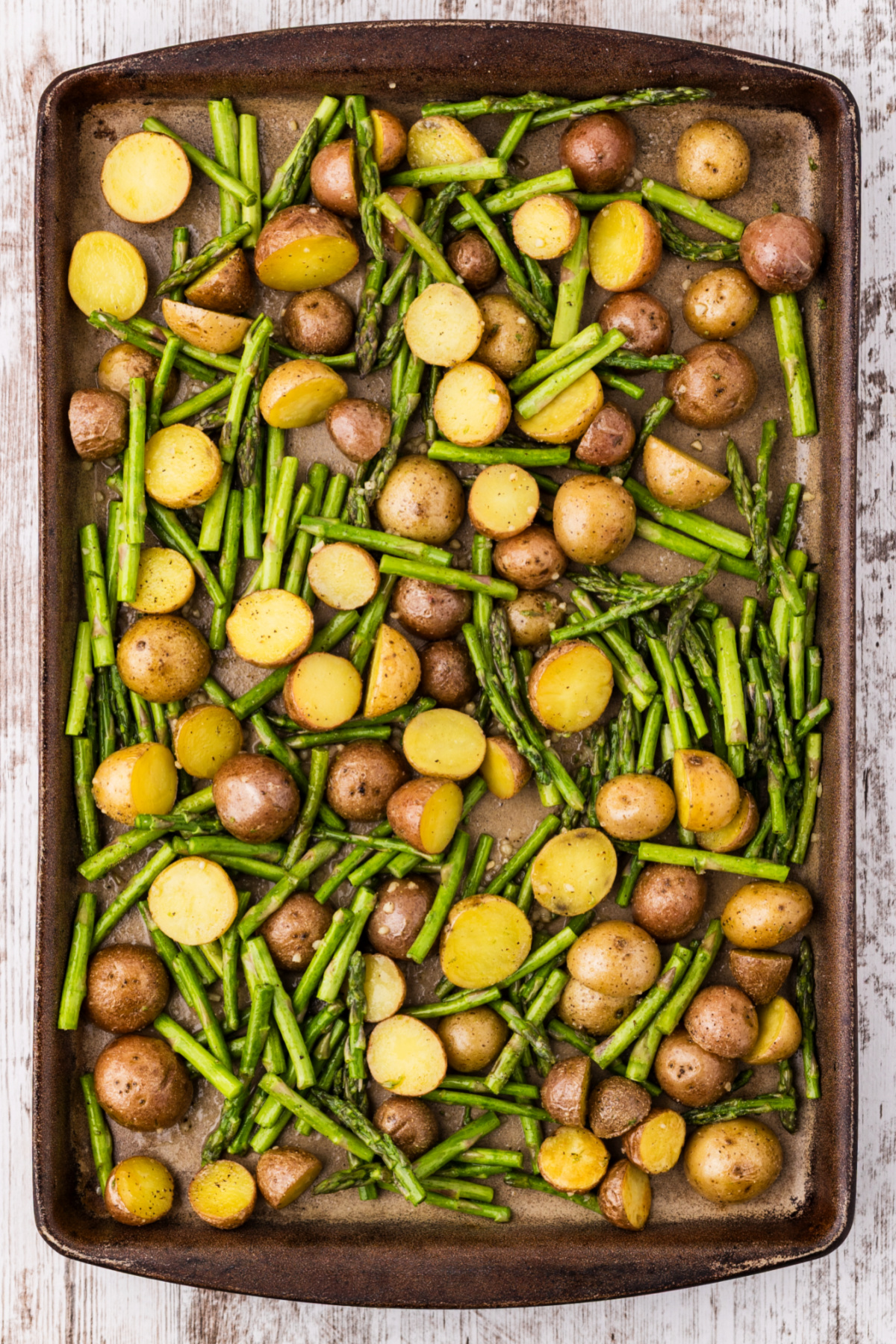
Recipe Tips
- Give the potatoes a real head start. If you try to put everything in at the same time, the asparagus will be over it before the potatoes are even close to done.
- Keep everything in a single layer on the pan. If it’s crowded, it doesn’t roast, it just sits there and softens, which is not what you want.
- Leave the potatoes cut side down and don’t keep turning them. That’s how you get those golden edges instead of pale, uneven ones. That part’s up to you.
- Cut the potatoes so they’re roughly the same size. If they’re all over the place, some will be done and some won’t, and you’ll be stuck deciding which problem you want to deal with.
- Add the garlic when the asparagus goes in, not at the beginning. Staggering is key. It doesn’t take long before it goes from good to something you wish you hadn’t added.
- If your asparagus is thin, check it early. It doesn’t need as much time and will go too far if you leave it in as long as thicker stalks do.
- Use a hot oven. 400°F is what gets you that balance where the potatoes cook through and still get color instead of just sitting there.
- Give it a taste at the end and adjust it. A little more salt or another squeeze of lemon usually brings everything into place.
- Timing matters more here than you might think. Miss it, and you’re working twice as hard for something that was easy the first time.
Storage
- Store any leftovers in an airtight container in the refrigerator and use within 3 to 5 days. The texture changes after the first day.
- To reheat, spread everything back out on a sheet pan and warm it in a 400°F oven until heated through. That’s the best way to bring some of the texture back. The microwave works if you need it, but it will be softer.
- If you want to freeze it, let everything cool completely, then store in a freezer-safe container for up to 2 months. Thaw in the refrigerator before reheating.
- Just know the asparagus won’t come back the same after freezing, so this is better fresh or from the fridge if you can manage it.
- It holds up, just not the same way it did the first time.
FAQs
- Can I roast everything at the same time?
You can, but the potatoes won’t get that golden edge that makes them worth eating. They need a head start or they just sit there while the asparagus overdoes it. - Can I use larger potatoes instead of baby potatoes?
Yes, just cut them down so they’re all about the same size. If they go in uneven, some will be perfect and some will feel like you gave up halfway. - Can I use bottled lemon juice?
You can, but fresh lemon has that clean, bright thing that cuts through everything else instead of just sitting on top. - How do I keep the potatoes from getting soft instead of roasted?
Give them space and enough oil, and don’t move them around too much. Cut side down helps. Once they’re in, let them do their thing. - Why add the garlic later instead of at the beginning?
Because it burns before anything else is ready. Adding it later keeps the flavor where you want it instead of turning bitter and ruining the whole pan. - Can I make this ahead of time?
You can prep everything and hold it, but it’s better when it comes out of the oven and goes straight to the table. Some things don’t improve by waiting. Some things are only good when they’re met in real time. After that, you’re just trying to get back to it.
From My Kitchen Notes
None of this will help you make the recipe. It’s just what comes with it instead.
- Cold has a way of stripping things down. I stopped caring about the right gear or plan, or the correct next move. All I cared about was being warm. That’s it. I wasn’t cold-hardy like I am now and I will never forget how that felt.
- If you put everything in at the same moment, it all comes out the same. That’s usually not what you want. And that applies to a lot of things, not just cooking.
- There’s a difference between something that softens and something that holds its form. You can feel it before you see it.
- Lemon only works if you let it show up late.
- I used to think a longer stretch in the oven meant more certainty. It doesn’t. It just means it stayed longer than it should have.
- There’s a narrow window where garlic is stays what you want it to be. After that, it isn’t. You’re either going to meet that moment or you won’t.
- Some decisions seem unreasonable until you’re already in them and then they make complete sense.
- Potatoes don’t care what else is happening. They take on the oven heat they need, and sit there until they’re ready.
- There’s always that second where you think, I should pull this back, and then you don’t, because it’s already more than halfway there. Most people miss that because they assume there’s still more time.
- I’ve learned the hard way that timing isn’t about patience. It’s about knowing when something in the oven is done.
- Not everything needs more of a waiting period. Some things, like asparagus, just need to be finished.
- Some cooking environments don’t meet you halfway. You meet them, or you don’t.
- The difference between a recipe that works and one that doesn’t is usually when you decide to step in.
- There are cooking situations where you realize you’ve waited past the point where it makes sense.
More Ways to Roast, Smash, and Crisp Potatoes
- Salt and Vinegar Smashed Potatoes – crispy edges with a sharp vinegar bite.
- Cheesy Crushed Rosemary Red Potato Coins – thin slices roasted until golden and crackly.
- Breakfast Potatoes (Home Fries) – skillet potatoes with soft centers and crisp edges.
This post may contain affiliate links. Please read my disclosure policy.
The only thing that really matters here is when everything goes in. The potatoes need the time to get their edges, the asparagus doesn’t, and the garlic and lemon come in where they still make a difference. It all finishes on the same pan, just not at the same time.
Roasted Potatoes and Asparagus with Lemon and Garlic
Equipment
- Sheet Pan (rimmed). Let's vegetables roast evenly without spilling juices.
Ingredients
- 1½ lbs (680 g) baby red or yellow potatoes halved
- 2 tbsps (30 ml) olive oil divided
- 1 lb (454 g) fresh asparagus cut into 1 to 2-inch (2.5-5 cm) pieces, woody ends removed
- 1 tbsp (9 g) minced garlic
- 3 tbsps (45 ml) fresh lemon juice
- 1 tsp (6 g) kosher salt adjust to taste
- ½ tsp (1.5 g) black pepper adjust to taste
Instructions
- Preheat the oven to 400°F (204°C).
- Place the halved baby potatoes on a rimmed baking sheet. Drizzle with 1 tablespoon (15 ml) of olive oil and toss to coat evenly, then spread the potatoes in a single layer with the cut sides facing down as much as possible. Roast for 20 minutes, or until the potatoes begin to soften and turn golden on the edges.1½ lbs (680 g) baby red or yellow potatoes, 2 tbsps (30 ml) olive oil
- Remove the pan from the oven and add the asparagus pieces and minced garlic to the potatoes, adding the garlic at this stage prevents it from burning. Drizzle with the remaining 1 tablespoon of olive oil and the fresh lemon juice to keep the flavor bright. Season with salt and pepper, then toss everything together until evenly coated and spread back into a single layer.1 lb (454 g) fresh asparagus, 1 tbsp (9 g) minced garlic, 3 tbsps (45 ml) fresh lemon juice, 1 tsp (6 g) kosher salt, ½ tsp (1.5 g) black pepper
- Return the pan to the oven and continue roasting for 8 to 12 minutes, or until the asparagus is tender and the potatoes are fully cooked with lightly crisp, golden edges.
- Remove from the oven and taste for seasoning, adjusting with additional salt, pepper, or a squeeze of fresh lemon juice if desired. Serve warm.
Notes
- Cut potatoes into similar sizes to for even cooking.
- Keep everything in a single layer to promote roasting instead of steaming.
- If asparagus spears are very thin, reduce the final roasting time slightly.
- Fresh lemon juice is recommended for the brightest flavor.
Nutrition
Have you made these Roasted Potatoes with Asparagus? I’d love to hear how it turned out – leave a comment below and let me know.
As an Amazon Associate and member of other affiliate programs, I earn from qualifying purchases.
Lacey says
Made these for dinner and they were perf. Loved the garlicky finish.
Kitty says
Such a good recipe for the table. It was delish.