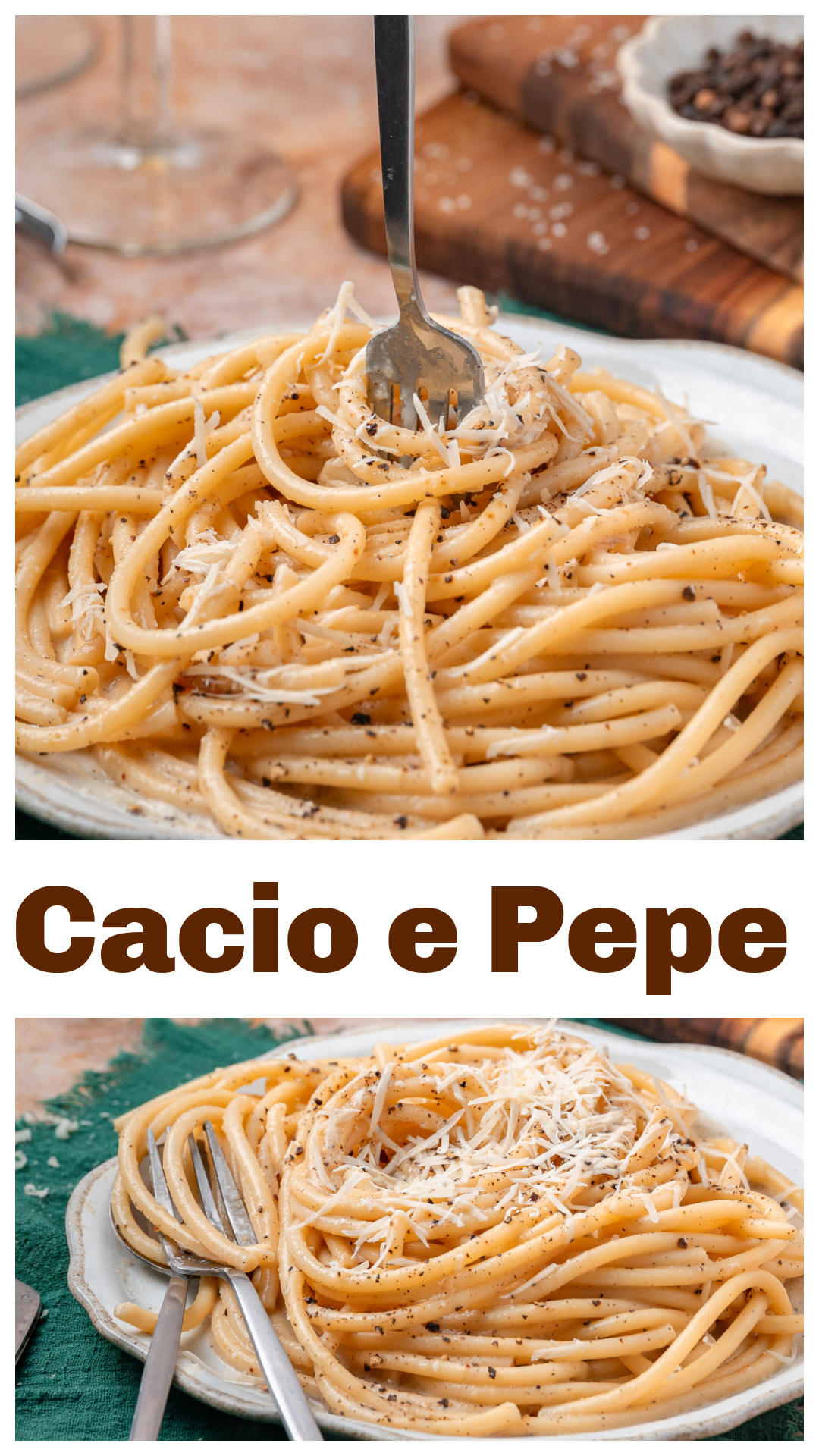
My Cacio e Pepe recipe uses Pecorino Romano, freshly toasted black pepper, and a stabilized technique for a smooth, creamy sauce. Traditional flavor with more reliable results at home.
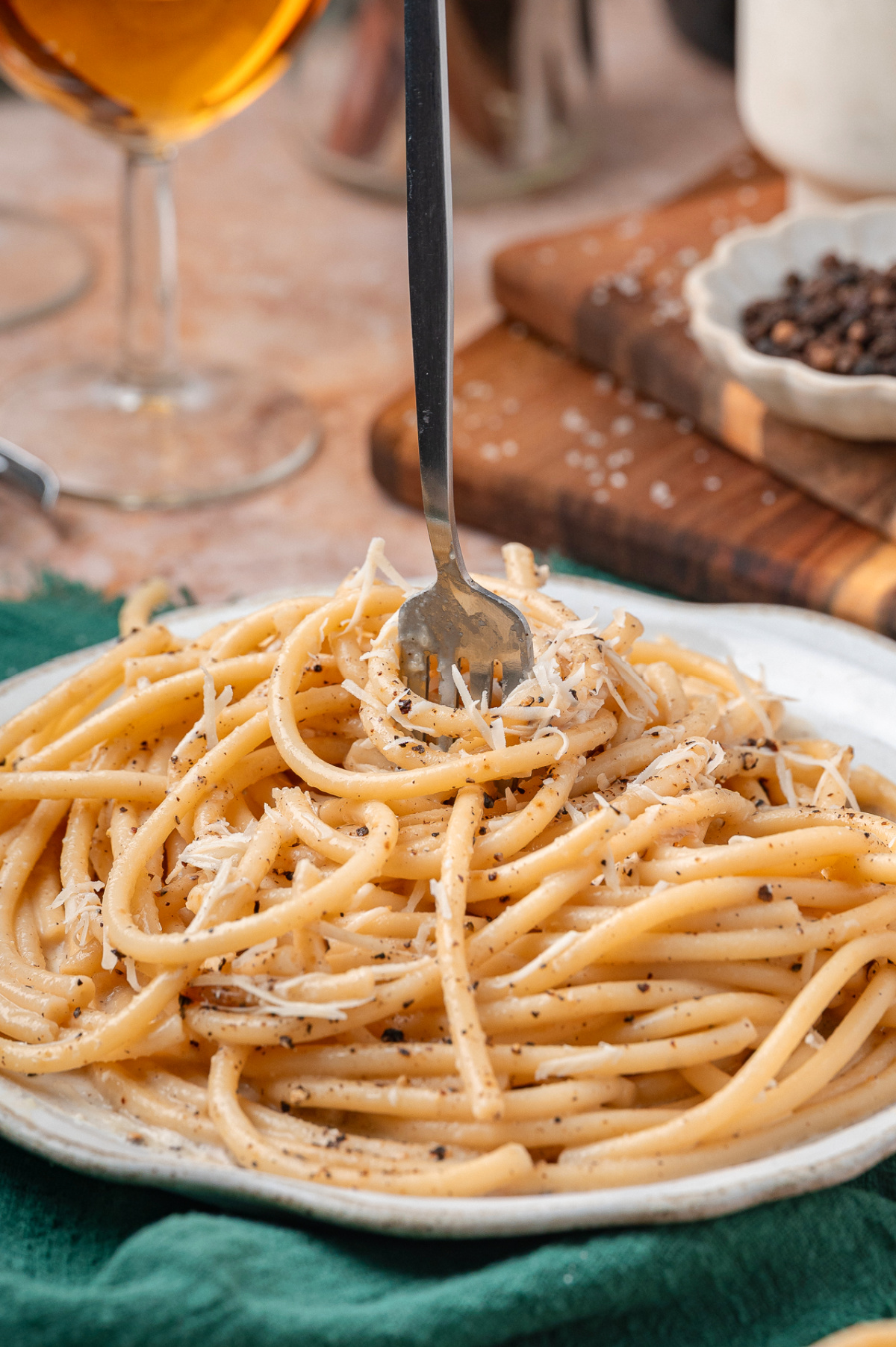
Cacio e Pepe, After the Helicopter
My relationship with Cacio e Pepe began long before pasta ever hit the water.
The helicopter landed hard, which was nothing unusual on a windy day, just not comfortable. It’s the kind of landing where the sound stays with you after the blades slow down, when dust, warm air and noise are all colliding at once. I stepped out into a scene that hadn’t organized itself yet with tape and perimeters, just people standing where they were when everything stopped. There was crying and silence, with others staring at nothing in particular because there wasn’t anything left to look at.
This is the part no one ever sees on television. The moment before things get arranged, and right before anyone knows where to stand or what to say. This is before the story is made into something that can be told.
When I worked in television journalism in Los Angeles, my job wasn’t to be on camera. I was the person dropped into the middle of it arriving early and moving fast, writing while things were still happening and people were still in shock while no one had had time to rehearse their grief, anger or fear into something clear.
There were days when the helicopter barely lifted off before we were landing again somewhere else. Fires, crashes, crime scenes, mudslides, evacuations. Entire neighborhoods lost in an afternoon. I learned quickly that nothing about those scenes waited for anyone to be ready. I arrived as things were breaking and stayed until there was enough information to turn it into sentences.
I was young and didn’t recognize yet that observing scenes like this over and over didn’t make them smaller. It made it heavier, and they began to stack up in body and mind.
I think about the children standing on the side of roads, still in pajamas. Parents gone, just gone and everyone around them trying to figure out what happens next while acting like there was a next move that would make sense. I remember writing lines while other helicopters hung overhead with sirens never stopping and someone nearby was screaming in a way that didn’t sound like words anymore.
There was no time to absorb it. The expectation was speed, accuracy, and being first. Always first. Getting it right and getting it on air. Meetings were always about escalation: make it more dire, scarier, and land harder. Compassion was never part of the metric. If I slowed down to feel anything, I fell behind.
Before it started, this was my dream job, and in many ways it was. I was good at it. I could think clearly under pressure and hold information together while everything around me was falling apart. What I didn’t know then was that I was taking all of it home with me whether I wanted to or not.
I learned quickly how to move through devastation without stopping. I was functioning inside other people’s worst moments repeatedly and was expected to stay clear-headed and useful while standing in scenes most people only ever encounter once, if at all. That left a mark.
There are a lot of careers like this where the common thread is exposure. Doctors, social workers, vets, first responders, caregivers, they all deal with this. The difference is their job is to intervene, stabilize the scene, reduce harm, or at least help the people survive what just happened.
My job was to arrive after the harm and then to turn it up, escalate it, while making it consumable. To take someone’s worst day and push it one notch further so it would hold attention thirty seconds longer. This is how the news works. Remember that when you’re watching it. It’s fundamentally a different kind of damage when your nervous system is asked to witness pain and then weaponize it and to stay alert but not be compassionate, or be fast but not humane, while moving on immediately to the next catastrophe without resolution.
And the hardest part wasn’t necessarily seeing terrible things. It was being asked to make them worse on purpose.
At the end of those days, once the adrenaline dropped out of my system, peace without conversation was what I wanted most.
Cooking was my escape. Most days, something familiar and simple was all I could handle. Cacio e Pepe was a staple meal remembered from travels abroad where it was nothing more than pasta, cheese, and pepper never trying to be anything more than warm and filling. When I spent my days standing in devastation, domestic activities became meaningful in ways I wasn’t expecting.
Years later, long after I’d stepped away from that world, I came back to this dish with a different perspective. Not as survival food, but as something worth understanding. When a recipe has almost nothing in it, every decision counts. Small adjustments change everything but now I was looking at it through a more scientific lens as in why do these few ingredients do what they do.
So this version is not the one I made then. This one came later, after I understood more about cooking, and why emulsions work, and how to make something reliable without stripping it of what makes it comforting in the first place. I wanted it to work every time, even when I didn’t have much margin for error.
But the reason I make it hasn’t changed. It’s something I make after days that require me to stay functional longer than feels reasonable.
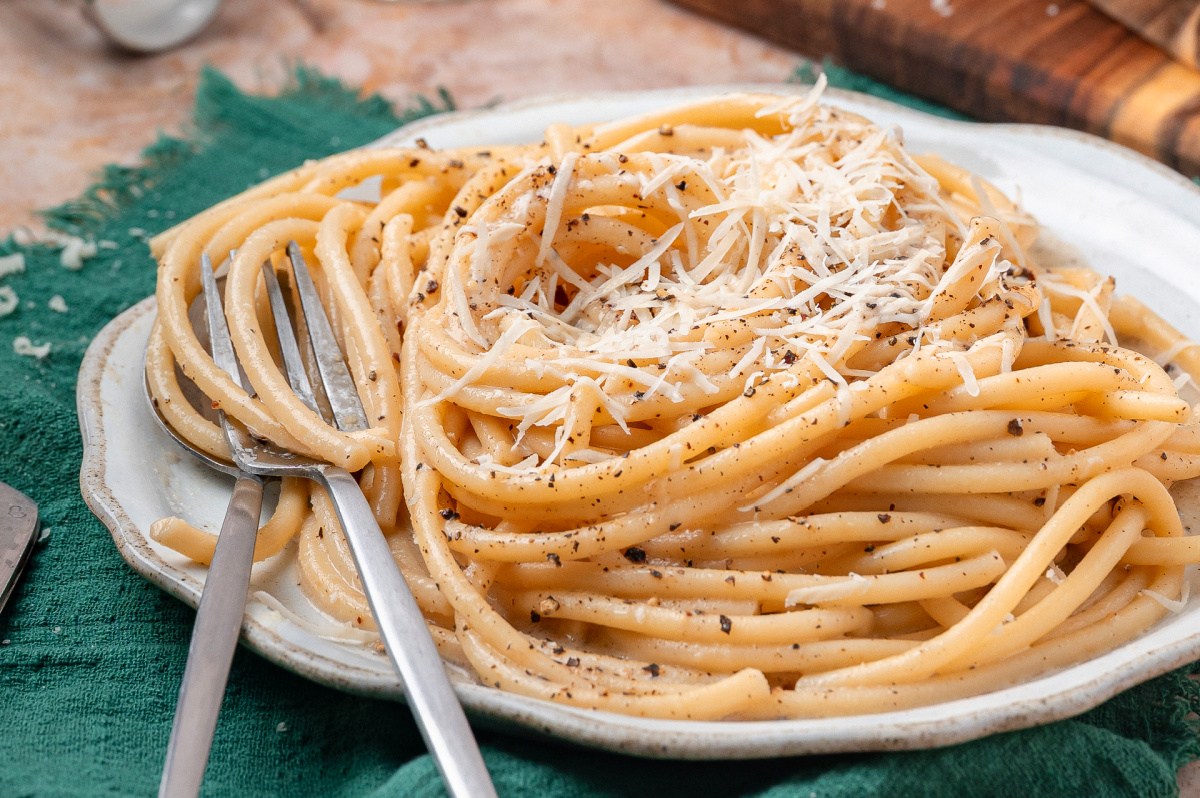
Why I Love My Recipe
- I use butter (it’s not traditional) because it gives the sauce a forgiveness without changing the flavor. The milk solids help the cheese and water stay together instead of breaking the second you look away.
- Building part of the sauce before the pasta goes in is key. Adding everything at once is how you get clumps.
- I melt some of the Pecorino into the liquid first, then finish with the rest. That early bond matters more than you think.
- Toasting the peppercorns changes everything. Black pepper is one of the main ingredients, not a garnish.
- I cook the pasta in less water on purpose. More starch means the sauce comes together faster and stays creamy.
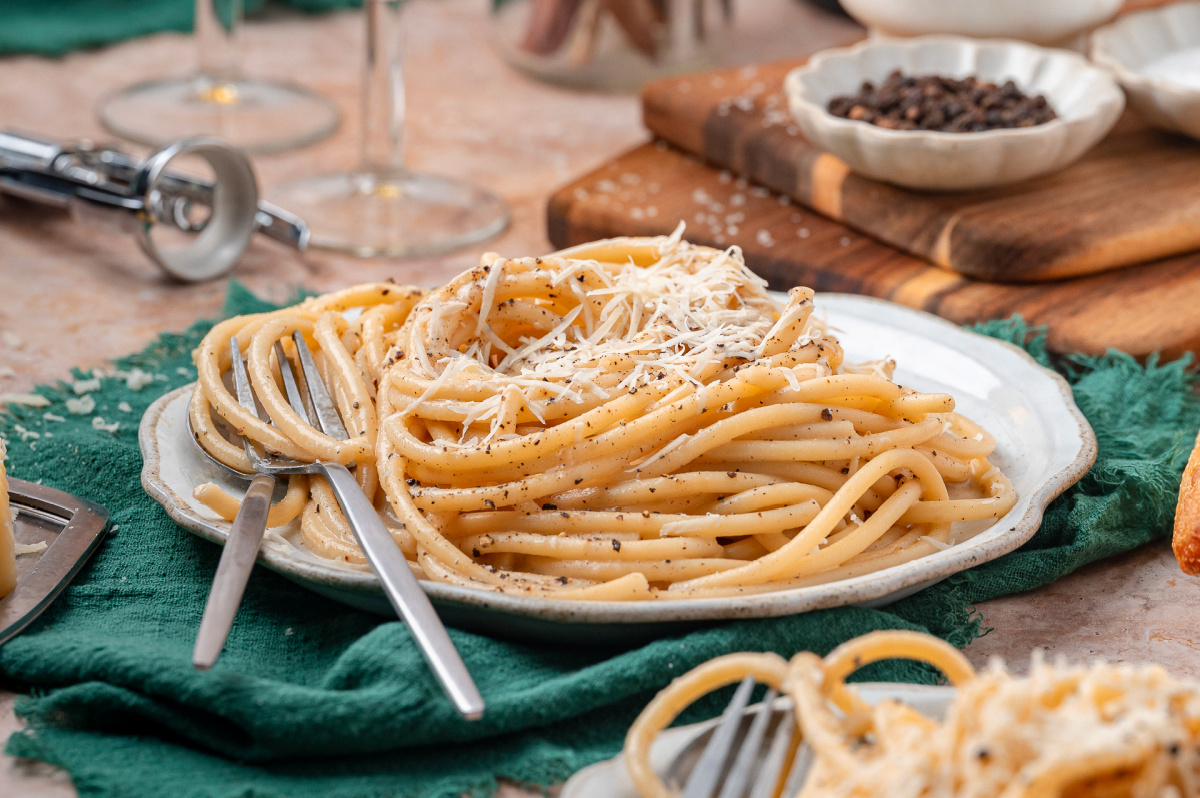
Ingredients
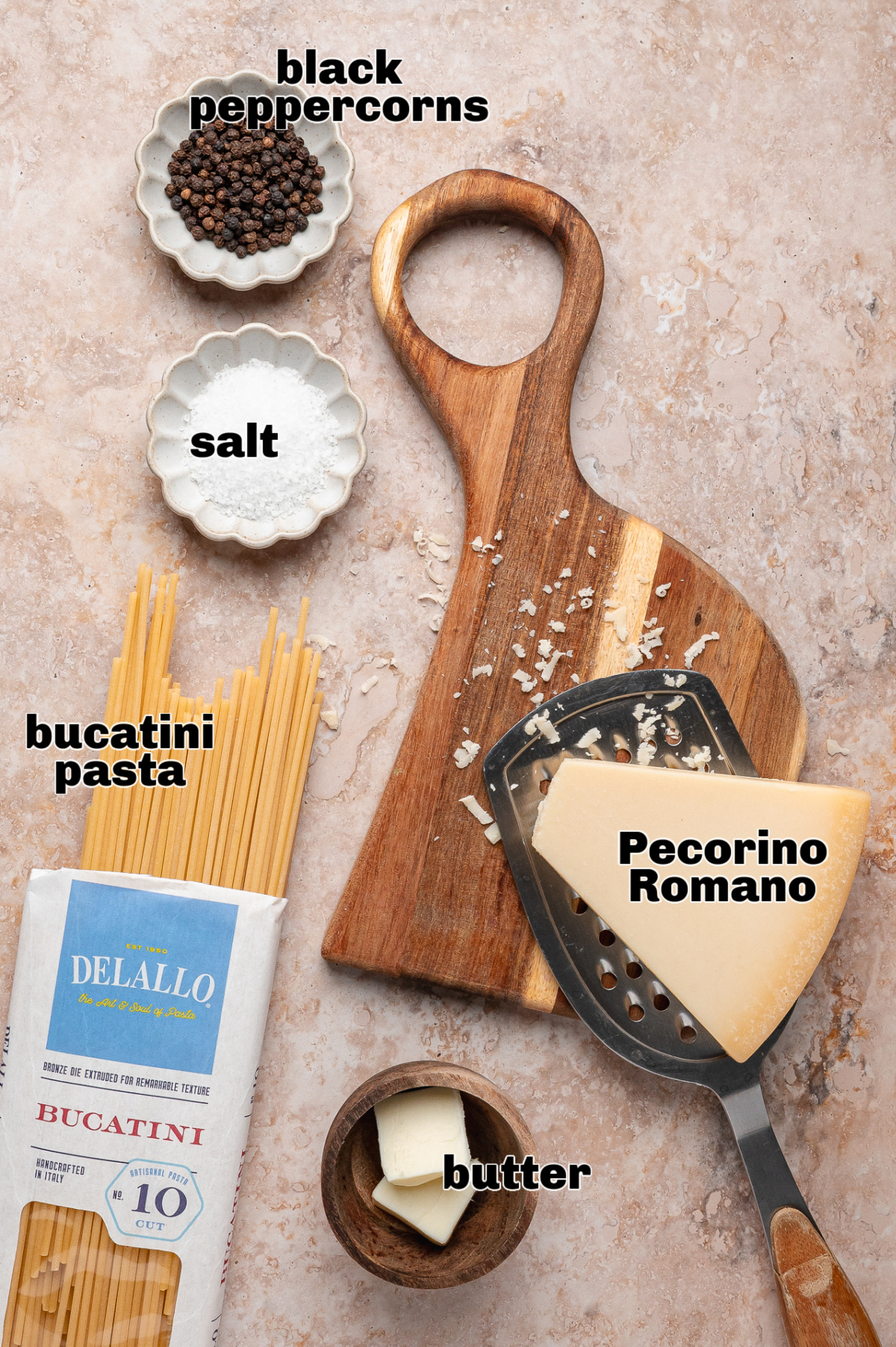
- Black peppercorns – This starts with pepper. I toast whole peppercorns and crush them myself because I want the spice to come from the aroma and flavor not dust. Crushing after toasting keeps the flavor present.
- Pecorino Romano – Salty and aged is the best way to describe it. The cheesy part of this recipe doesn’t let you fake your way through. It needs fine grating, patience, and timing. I kind of like that.
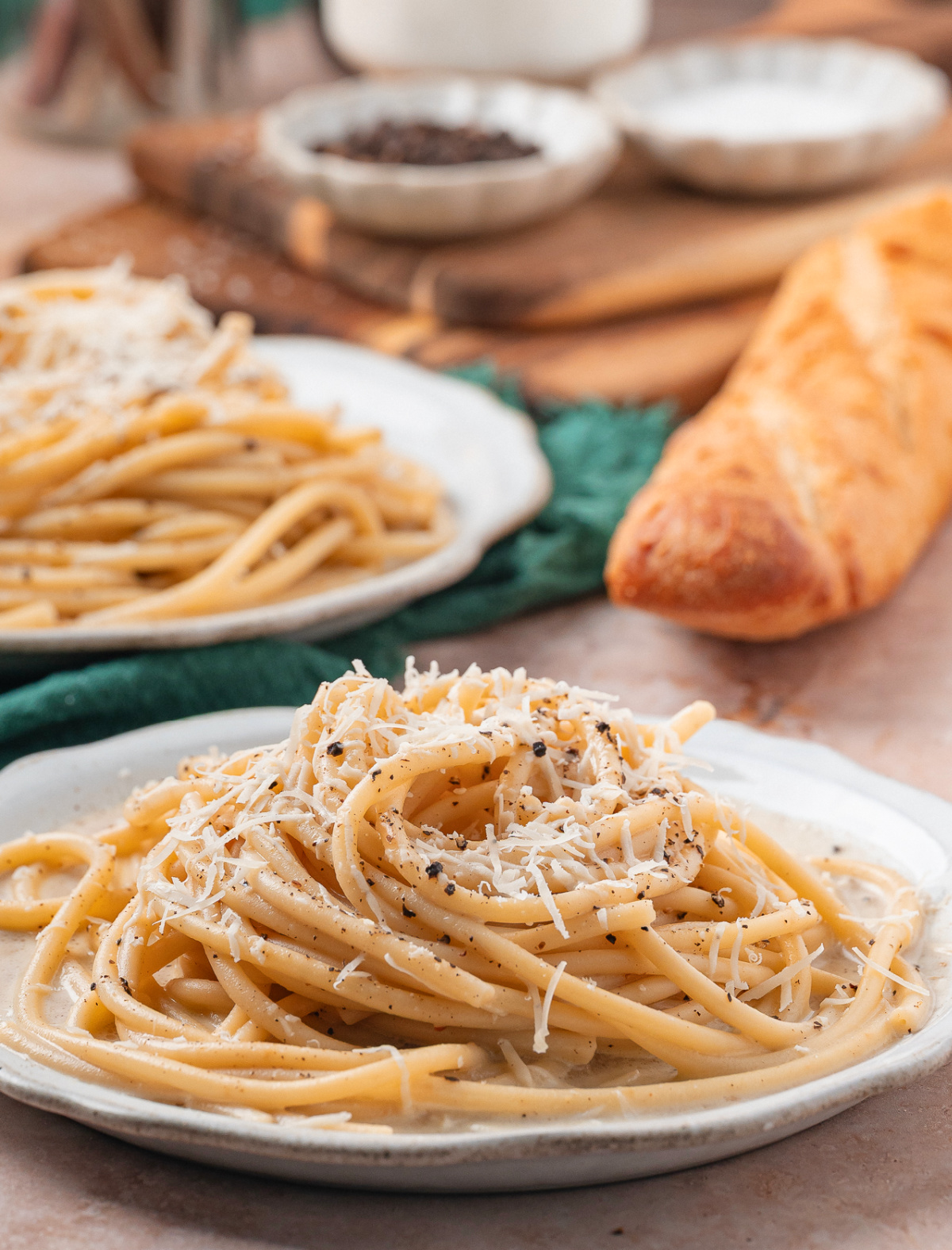
- Bucatini – I have my own obsession with this pasta shape. Bucatini holds onto sauce and doesn’t give up easy. That feels familiar to me.
- Butter – This is where I diverge on purpose because it’s practical. It gives the sauce something to grab onto before the cheese goes in, a buffer between heat and panic. This creates reliability, which I think home cooks prefer.
- Pasta water – Your pasta water is doing the most in this recipe. This is what makes everything else cooperate and what is essential to the sauce. Without it, the whole thing falls apart. With it, the sauce comes together perfectly.
How to Make Cacio e Pepe
Find the complete printable recipe with measurements in the recipe card at the BOTTOM OF THE POST.
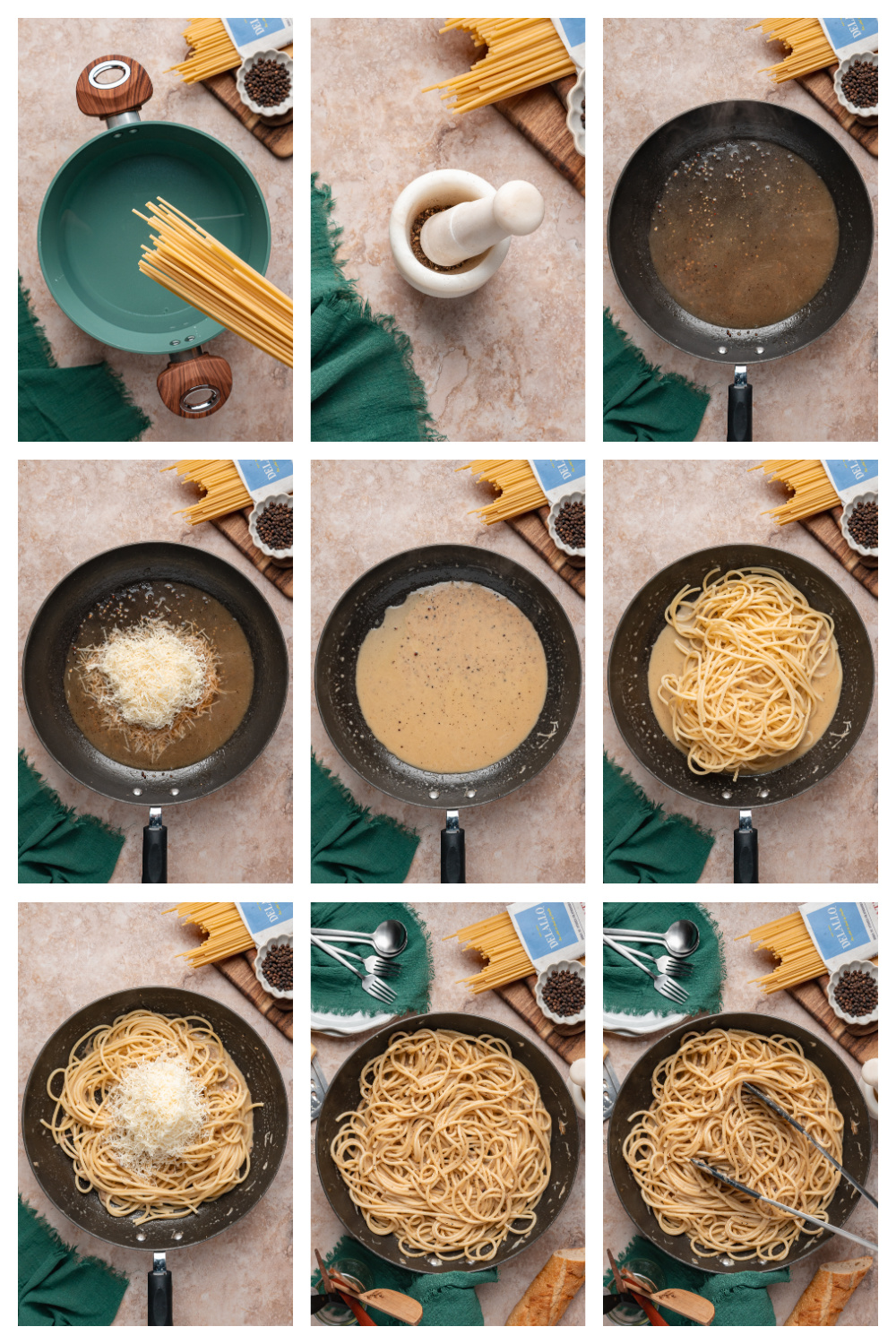
- Step One (toast the pepper)
Whole black peppercorns go into a dry skillet. Keep the pan moving for about 30 seconds, just until the aroma changes and they begin to open up. Transfer them to a mortar and pestle and crush them coarsely, leaving visible pieces rather than powder. - Step Two (cook the pasta)
Bring three quarts of water to a boil and salt it generously. Add the bucatini. Stir more than usual and pull it early, about a minute or two before the package timing, so it finishes where it’s supposed to later. - Step Three (make the base)
Melt the butter in the same skillet, then add the crushed pepper. Pour in about half a cup of the boiling pasta water and whisk until the butter and water come together. This becomes the base everything else moves through. - Step Four (add the first cheese)
Sprinkle in about a cup of finely grated Pecorino Romano and keep it moving until it melts into a loose sauce. Once it smooths out, remove the pan from the stove. Nothing else needs to happen here. - Step Five (finish and serve)
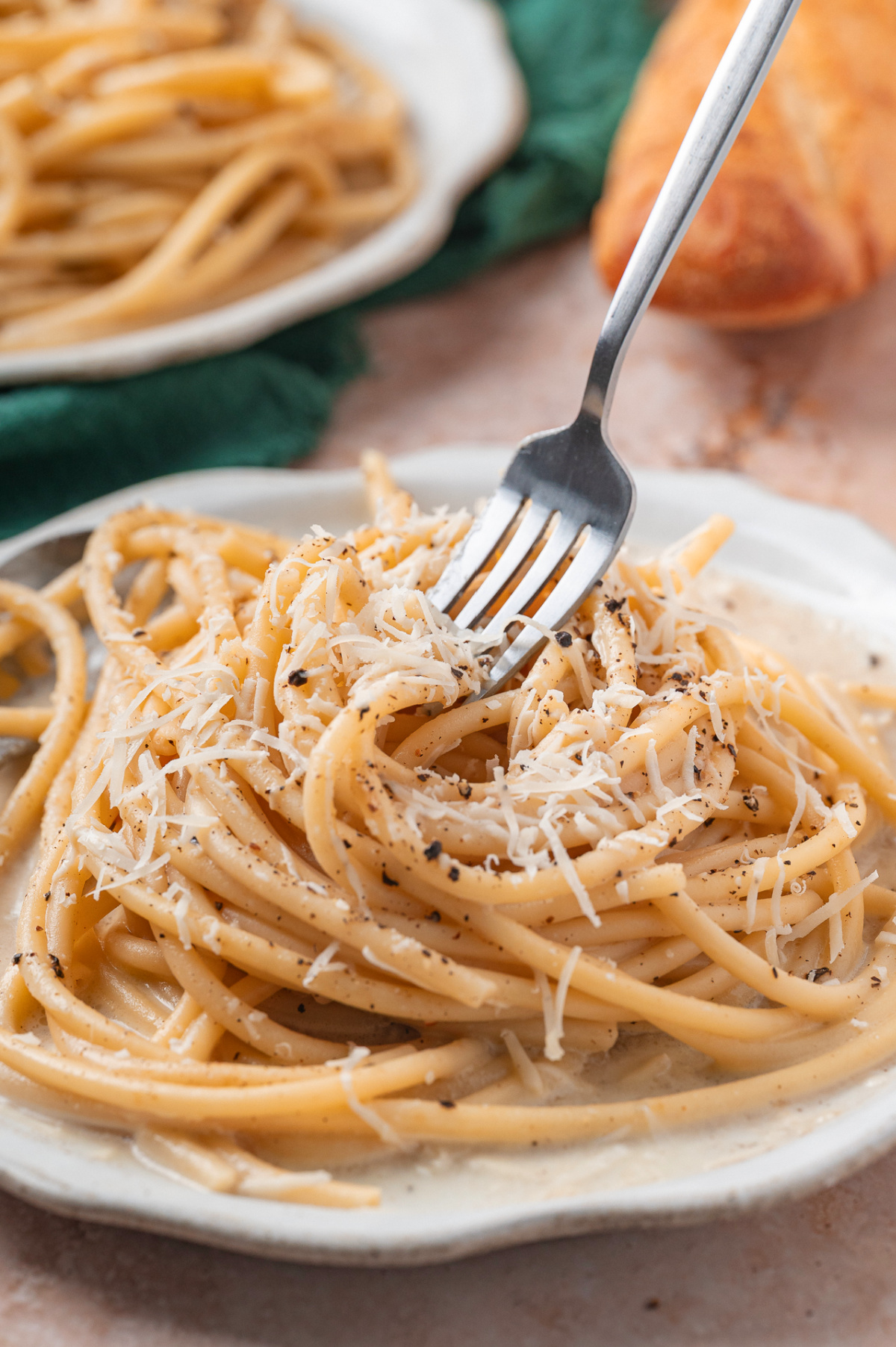
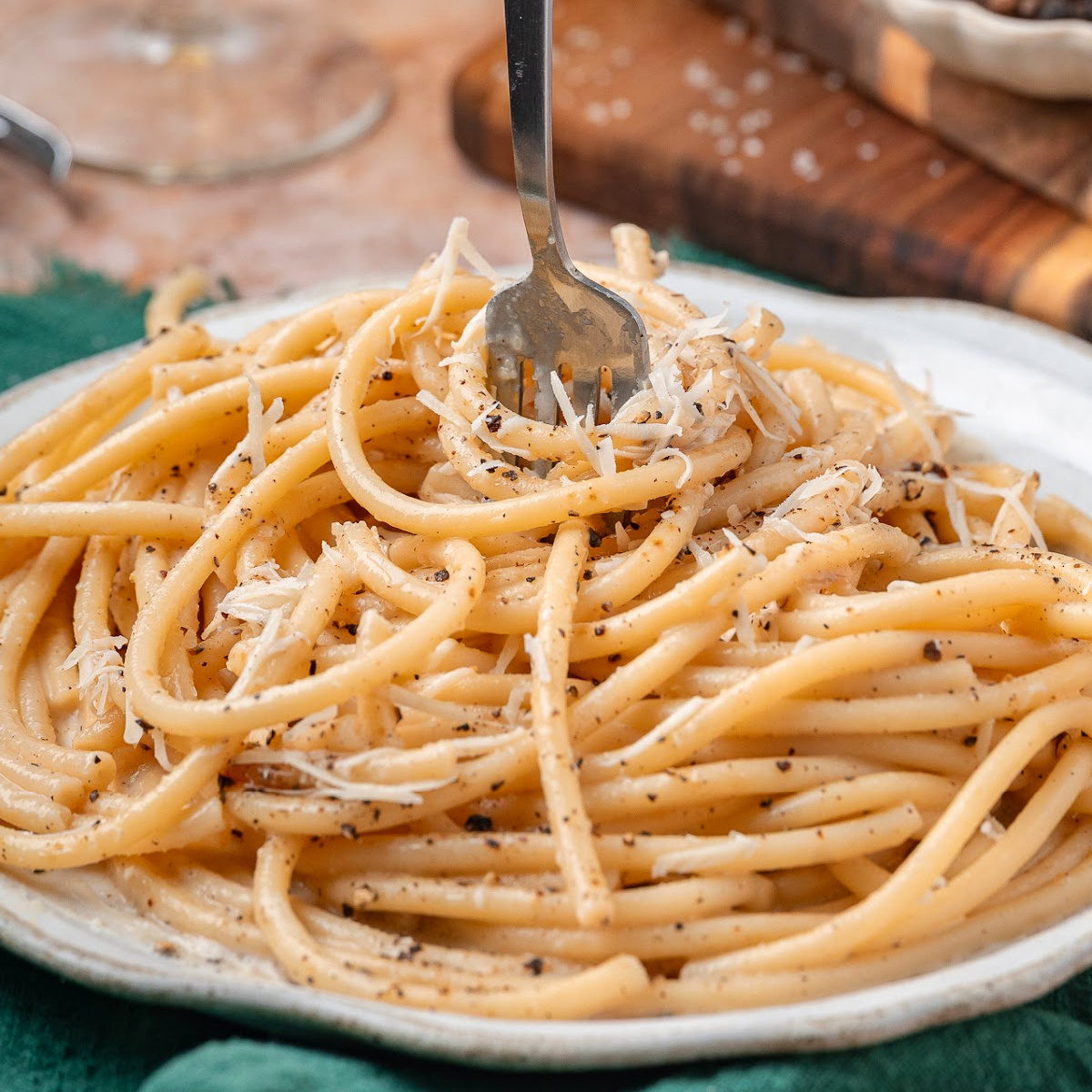
Transfer the bucatini directly into the skillet with tongs and toss it through the sauce. Add the remaining cheese and continue tossing until the noodles are evenly coated. If it thickens, a splash of hot pasta water loosens it. Serve immediately with more cheese and black pepper on top.
Recipe Tips
- Make sure to grate the cheese very finely. Large shreds don’t melt the same way and will leave you fighting texture instead of finishing dinner.
- Pull the pasta out of the water early. Bucatini that’s fully cooked in the pot doesn’t have anywhere left to go once it’s in the pan.
- Use less water than you think. More starch in the water gives the sauce what it needs to hold come together.
- Add the first portion of cheese before the pasta goes in. That initial melt sets the tone for everything that follows.
- Take the pan off the stove before finishing with the pasta and remaining cheese. Residual warmth is enough.
- If the sauce thickens up, loosen it with hot pasta water a tablespoon at a time. Don’t hurry it.
- Serve it right away. This is not a dish that improves while waiting.
Storage
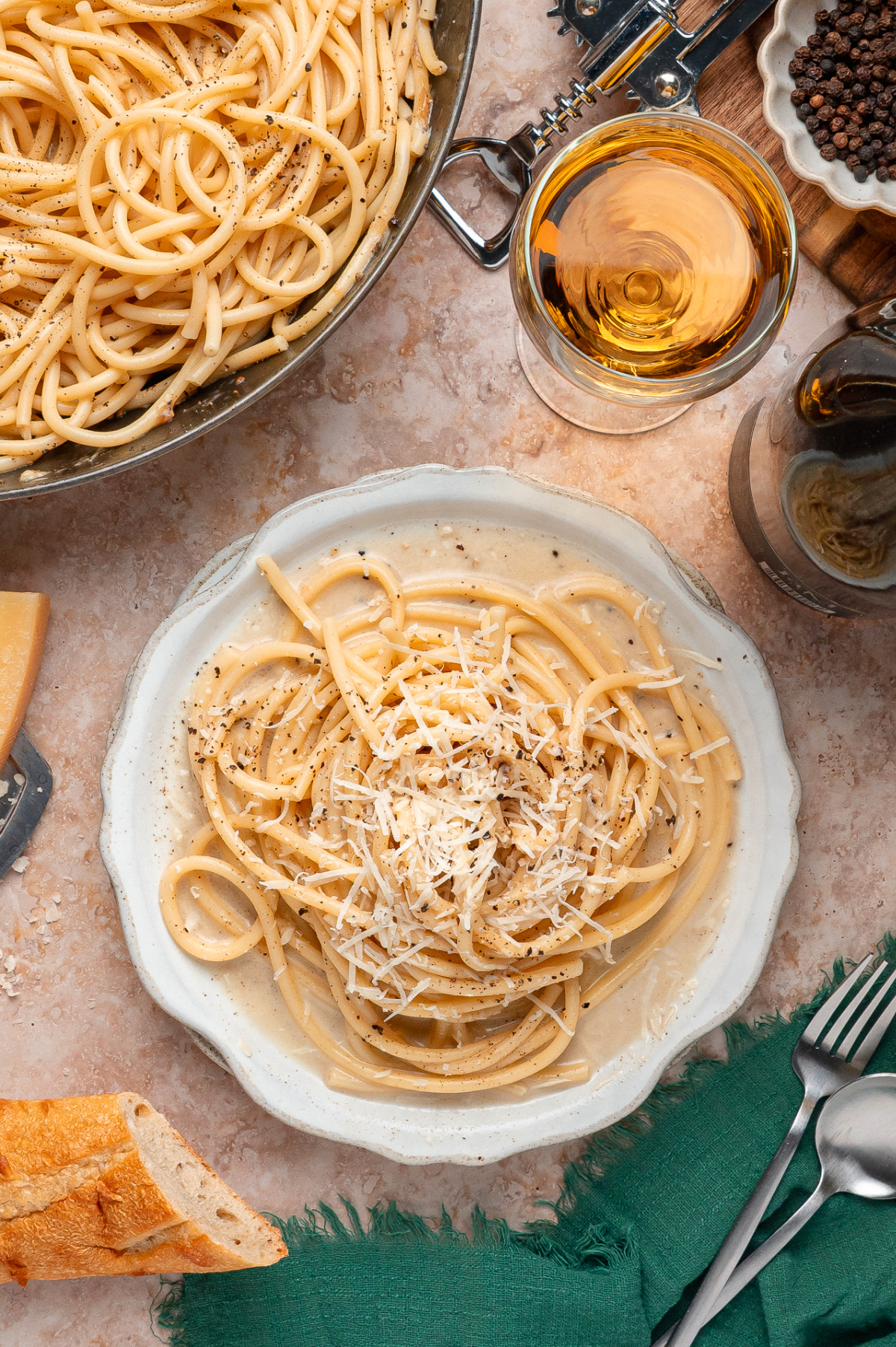
- This is not a dish to take into the future. It’s best eaten right after it’s made, when the sauce is still loose.
- If there are leftovers, let them cool completely before covering and refrigerating. They’ll keep for about a day, maybe two, but the texture will change. The sauce firms up, the noodles lose some of their give, and it becomes something different than what it was.
- To reheat, do it gently in a pan with a small splash of hot water and a lot of patience. The microwave works in an emergency, but it’s not doing this dish any favors.
- Freezing isn’t worth it. Some things are meant to be eaten in the moment, and then remembered fondly.
FAQs
- Can this be made ahead of time?
Not really. This one wants to be eaten soon after it’s finished. The sauce changes once it cools, and while leftovers are edible, they’re never quite the same. - Why butter instead of olive oil?
Butter adds something extra to the sauce that helps everything come together more smoothly. It’s not traditional, but it makes the result way more dependable at home. - Does the pan need to come off the stove before adding the cheese?
Yes. Keeping the cheese away from direct heat helps it melt into the sauce instead of clumping or separating. - Can Parmesan be used instead of Pecorino Romano?
It can, but the flavor will be milder and the salt level lower. Pecorino gives the dish its salty edge. - Why use less water for the pasta?
A smaller amount of water means more starch, which helps the sauce come together the way it should. - Can a different pasta shape be used?
Spaghetti works well. Bucatini just happens to hold on to the sauce nicely. - Does this reheat well?
Only if you do it gently. A pan, a splash of hot water, and low expectations are the best approach. - Is this still Cacio e Pepe?
I like to think of it as close enough to recognize and different enough to be useful.
From My Kitchen Notes
Not instructions. Just observations.
- There are jobs where you learn how to stand in the middle of someone else’s worst day and keep your voice stable. That skill doesn’t clock out when you do.
- I used to come home from work knowing exactly how bad the world could get and still needing to eat dinner like a normal person. This pasta helped more than most conversations.
- There’s nothing to hide behind when a recipe has only five ingredients. Technique matters a lot here.
- I had to find a place within to compartmentalize the things I saw every day. I rarely reopen that place even now.
- Just because something is called “traditional” doesn’t mean it’s the only way through. Sometimes it means no one questioned it yet.
- Working in the news world is a complete contrast with how I like to cook and especially how I like to write about food now. It’s almost a direct inversion of that job. I prefer to slow things down, explain instead of sensationalizing, make things clearer and hopefully survivable in a way you can make them in your kitchen.
- I know people don’t like to read anymore. That doesn’t stop me from writing it.
- Some people process chaos by talking about it. I learned to boil water and keep going.
When Sauce Matters
- Green Olive Puttanesca Pasta – Briny, bold, unapologetic sauce.
- Mushroom Fettuccine – Earthy, savory, pan-built depth.
- Brown Butter Gnocchi with Burrata & Pesto – Nutty butter, soft centers.
- Smoked Salmon Pasta with Lemon Dill – Bright cream, smoky contrast.
This post may contain affiliate links. Please read my disclosure policy.
Cacio e Pepe
Equipment
- large pot or wide skillet. For boiling pasta with higher starch concentration.
- skillet For toasting peppercorns and making the sauce.
- mortar and pestle For crushing toasted peppercorns.
- microplane grater or fine grater. So cheese melts smoothly.
- whisk For emulsifying butter and pasta water.
Ingredients
- 12 cups (3 quarts / 2.8 L) water (use this exact amount)
- 1 tsp (3 g) kosher salt
- 8 oz (227 g) bucatini pasta
- 2 tsps (5 g) whole black peppercorns
- 2 cups (~180 g) Pecorino Romano cheese finely grated
- ½ cup (120 ml) reseved pasta water plus 1-2 tbsps (15-30 ml) if needed
- 2 tbsps (28 g) unsalted butter
Instructions
- Bring 12 cups (2.8 liters) of water to a boil in a large pot or wide skillet. Add the kosher salt and stir to dissolve. Add the bucatini and cook, stirring frequently, until barely tender and still firm in the center, about 1 to 2 minutes shy of the package directions.12 cups (3 quarts / 2.8 L) water, 1 tsp (3 g) kosher salt, 8 oz (227 g) bucatini pasta
- While the pasta cooks, place the whole black peppercorns in a dry skillet over medium heat. Toast, shaking the pan frequently, until fragrant, about 30 seconds. Transfer to a mortar and pestle and crush coarsely, leaving visible pieces.2 tsps (5 g) whole black peppercorns
- Finely grate the Pecorino Romano cheese and set aside.2 cups (~180 g) Pecorino Romano cheese
- Reserve ½ cup (120 ml) of the pasta cooking water, then drain the pasta.½ cup (120 ml) reseved pasta water
- In the same skillet used for the pepper, melt the butter over medium heat. Add the crushed black pepper and stir briefly to bloom the spice. Pour in the reserved pasta water and whisk to combine the butter and water into a unified base.2 tbsps (28 g) unsalted butter
- Sprinkle 1 cup (about 90 g) of the grated Pecorino Romano into the skillet, stirring constantly until melted and smooth. Remove the skillet from the heat.
- Transfer the drained bucatini directly into the skillet. Toss to coat in the cheese base. Add the remaining Pecorino Romano and continue tossing until the sauce becomes creamy and evenly coats the pasta. Add additional hot pasta water, 1 tablespoon (15 ml) at a time, if needed to loosen the sauce.
- Serve immediately, garnished with additional grated Pecorino Romano and freshly cracked black pepper.
Notes
- Grate the cheese very finely for smooth melting.
- Remove the pan from heat before adding most of the cheese to prevent clumping.
- Use slightly less water to boil pasta for higher starch concentration.
- Toss continuously while adding cheese to maintain emulsification.
- Serve immediately for best texture and structure.
Nutrition
Have you made this Cacio e Pepe? I’d love to hear how it turned out – leave a comment below and let me know.
As an Amazon Associate and member of other affiliate programs, I earn from qualifying purchases.
Lilah says
Came out perfect, much better than others I’ve tried. Thanks for the tips.
Taylor says
This turned out perfect, my kids loved it.
Kit says
this turned out excellent. I agree the butter really helped. Previous recipes were not as consistent. Thanks