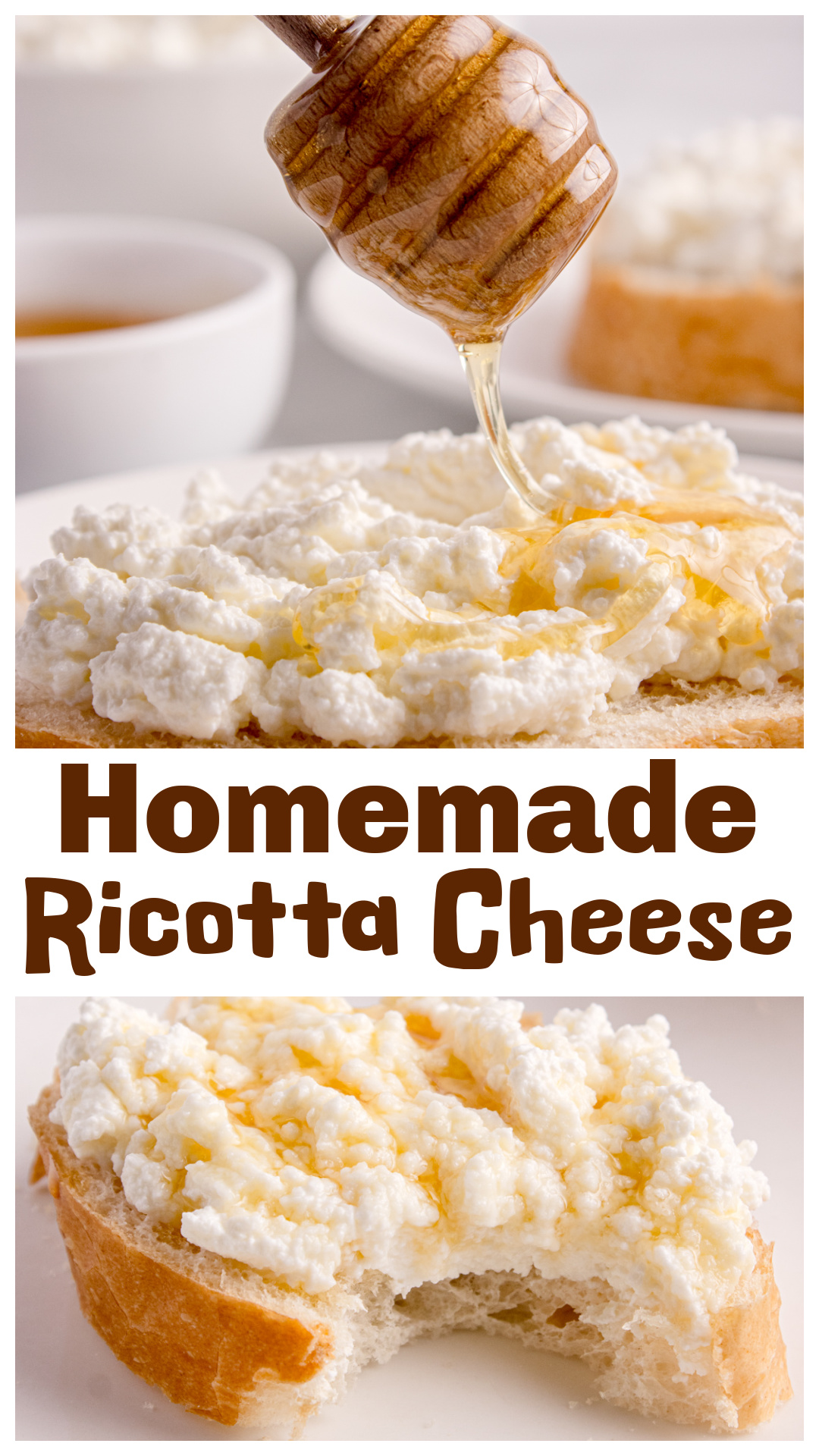
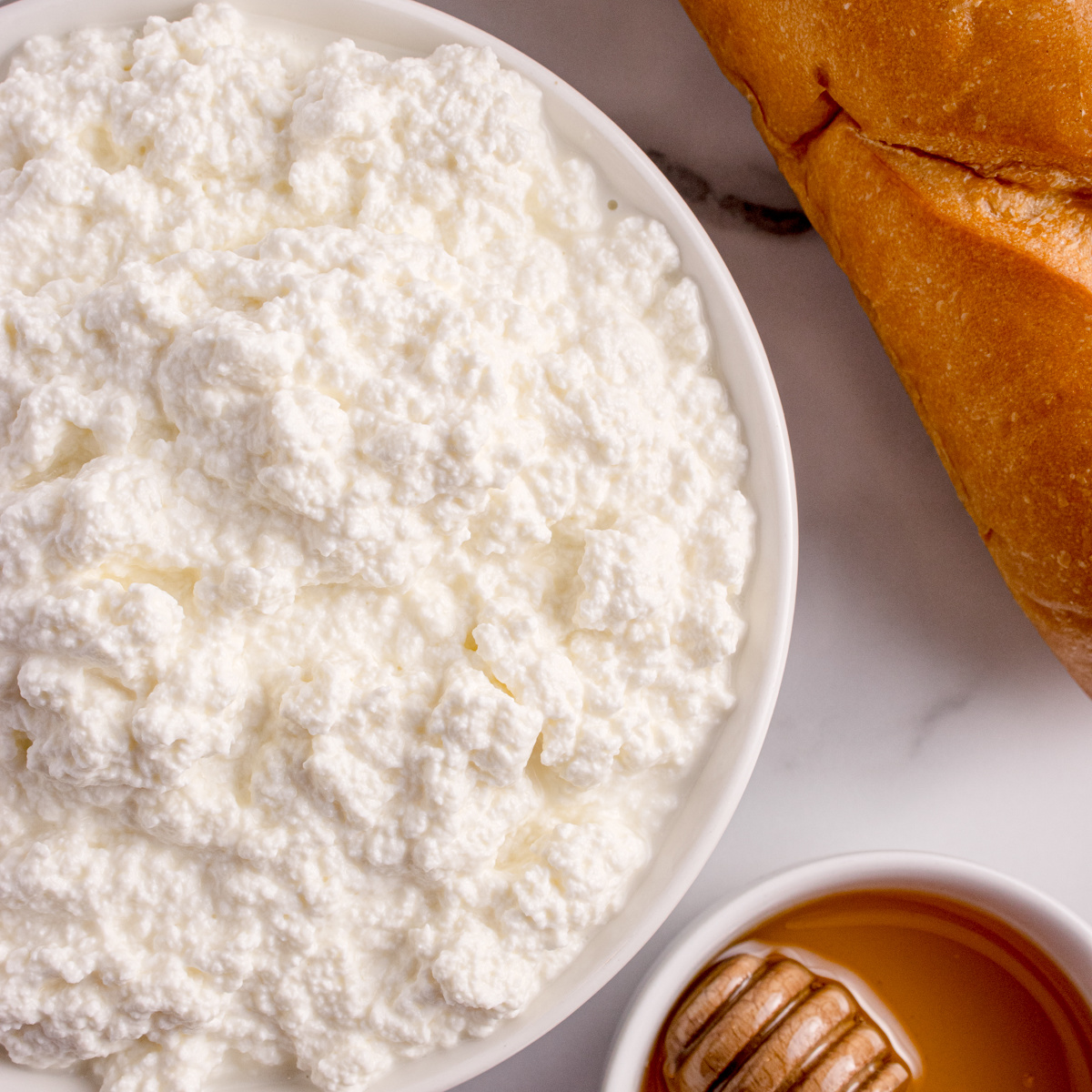
Homemade ricotta cheese made with whole milk, cream, vinegar, and salt, gently heated and drained to your preferred consistency. Soft, fresh, and endlessly useful once you know how to make it.
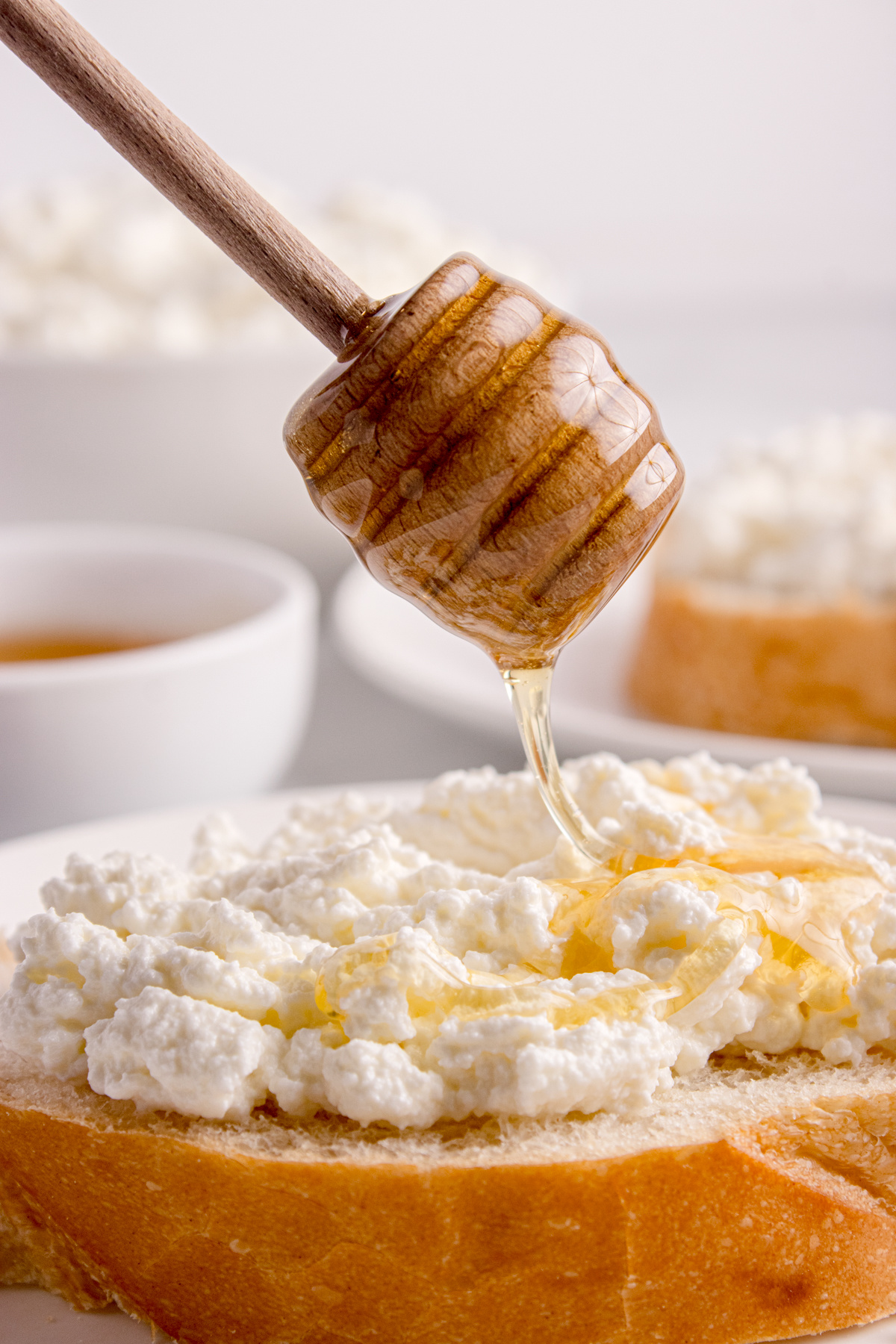
Homemade Ricotta Cheese, Still Willing to Learn
I’ve never been attached to being right at the cost of being effective. I care way more about what really works than about protecting my own identity or staying loyal to a version of myself that no longer fits the conditions.
Remaining coachable has always mattered to me, and I don’t mean that in a passive or deferential way. I mean it as a position and a consistent choice. I see people calcify all the time, defaulting to “this is just how I am,” or “I’ve always done it this way,” or “that’s not my thing,” and what they’re really saying is that they’ve decided to stop evolving. That whole, “I refuse to grow” stance is not comfortable for me.
Over the years I’ve worked to stay porous, curious, responsive. It wasn’t accidental, and it has not always been easy. There’s a humility to it, but not a submissive one. A confident one. I know what I’m capable of, and I also accept I don’t know everything. Both of those things can be true at the same time. That combination tends to make people feel safe engaging with me, because I’m not measuring, competing, or trying to win anything from you. I’m most interested in exchanging information with life.
Staying coachable is how I learned some of the things that matter most to me now, including how to make homemade ricotta cheese the way it’s supposed to be made.
The coachability instinct shows up everywhere if you allow it. When I was working through challenges in the vineyard, it never occurred to me not to reach out to people who had already been where I was. Old classmates working in similar cool-climate growing regions, Burgundy, Alsace, New Zealand and the Finger Lakes. They helped me shorten learning curves I could have stretched out alone, and I’ve never mistaken independence for intelligence. And I’ve never stopped asking questions.
I love learning from people I respect, especially when their credibility has been earned the hard way. Show me a better way, and I’ll take it without question. That kind of openness ages beautifully, and becomes more magnetic over time. When I think about all the people I know, and how their skills complement my own life and I couple it with what I can offer back, it’s an amazing full-circle moment. If I think you can teach me something, or solidify what I already know, I have no problem reaching out and learning or confirming my own instincts from you.
And this same lesson repeats for relationships. Being coachable has never been, “tell me who to be.” It’s “let’s make each other better.” That is true adult intimacy. Competent people exchanging habits, skills, and perspective without ego getting in the way. That kind of exchange is deeply, deeply attractive. It’s not sparkly or polished, but it is devastatingly good in its own way. I’ve noticed rigid people can’t stay long-term with someone who remains open, because their openness eventually confronts their stuckness. One keeps moving, the other doesn’t, and distance forms naturally. In that sense, being coachable becomes a filter, narrowing the field, and I’ve come to see that as a gift.
It matters to me as a parent, too. I allow and want my kids to coach me. I’ve never believed that hierarchy automatically equals correctness. Good information is good information, regardless of where it comes from. Feedback from my children doesn’t threaten me, it’s data. I have never confused authority with worth, and I don’t need to dominate a room to feel stable in myself. I already know who I am, which makes it easy to stay open.
Kids feel seen as people when you respect their minds. Like everyone, they don’t want to be managed or minimized. They want to be seen. That’s how strong adults are made, long before anyone names it as such.
Deciding to remain coachable has meant staying out of the “I already know,” pitfalls and tilting instead into “show me.” Sometimes that hasn’t been easy, but it has kept me moving forward even during periods where circumstances were working against me and no one was clapping. Because no one is ever clapping. I want to stay relevant to myself and I’ve noticed this is the only kind of relevance that lasts.
The moment when something clicks, I like that moment. The whole, that works better, I didn’t know that or try this. By staying coachable, I don’t need to reinvent myself to stay adaptable, I already fit the ecosystem.
Which brings me to ricotta.
Years ago, my next-door neighbor Ruth, who was ninety-four at the time, decided I needed to know how to make it. She did not have a recipe, a thermometer or measurements. She taught me by feel, by watching the milk, by knowing when to stop touching it. It took me years to translate what she gave me into something I could pass on clearly, without losing what mattered. I learned from her. Now I’m offering it forward.
Here’s how I make ricotta at home these days.
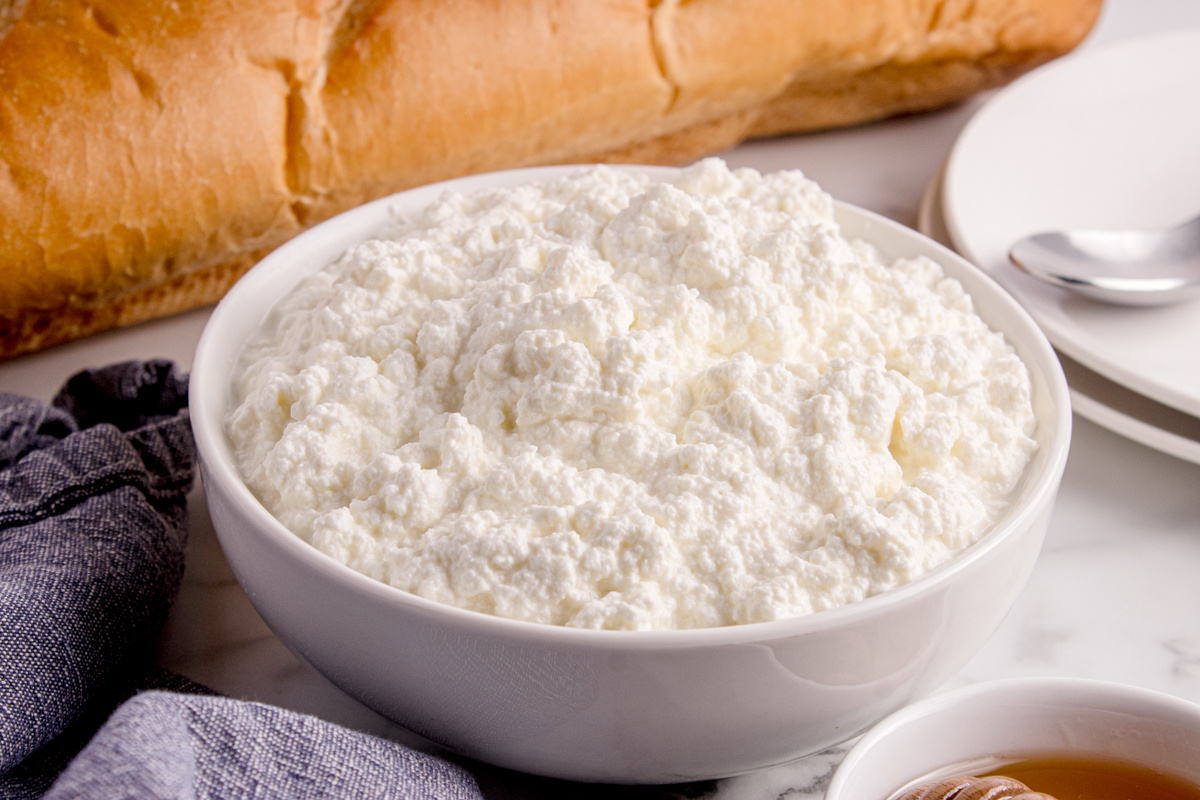
Why I Love This Recipe
- This ricotta exists because someone older than me took the time to show me something she knew by feel, not by formula, and I stayed open long enough to learn it. Every time I make it, I’m reminded that being teachable is how good things get passed down instead of lost.
- This ricotta needs your attention without demanding control. You watch the temperature, wait, and don’t interfere, it rewards you for holding back. That agrees with how I feel about timing, growth, and not forcing outcomes in all areas of my life.
- This recipe is simple in the way it exposes you. There’s nowhere to hide with milk, cream, the heat of the stove, and acid. If you try to outsmart it, it doesn’t work out. It has earned my respect.
- Making ricotta at home is going to recalibrate your standards. Once you’ve made it like this, the store-bought version stops making sense, not because it’s bad, but because you now know better, and knowing better, changes how you operate.
- Making this once resets your baseline. You will measure other things against it, whether you mean to or not.
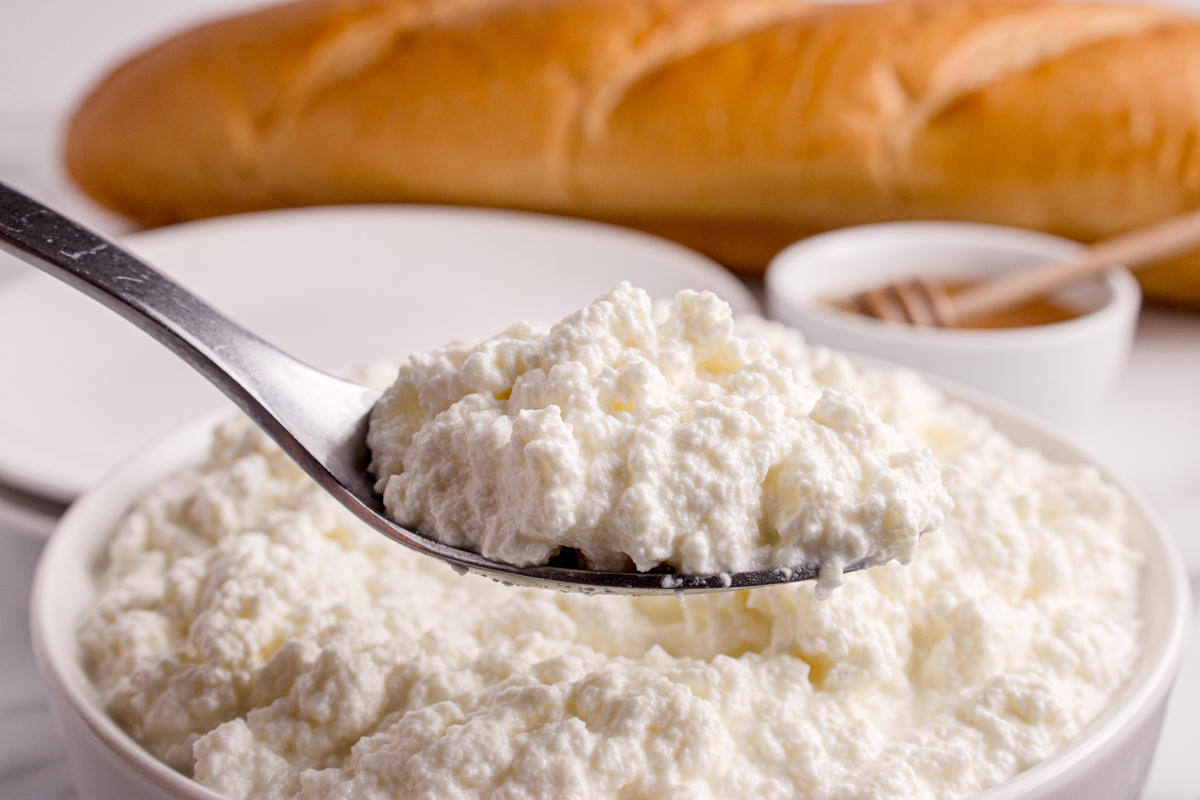
Ingredients
- Whole milk (not ultra-pasteurized) – This matters more than anything else here. Ultra-pasteurized milk won’t give you real curds no matter how careful you are. I learned this the slow way. Regular whole milk creates the environment ricotta needs.
- Heavy cream – This is what gives the ricotta its softness. It’s not richness for the sake of it, but that finished feeling that makes it worth making at home.
- White vinegar – Plain on purpose. This isn’t about adding flavor, it’s about creating separation and then stepping back.
- Kosher salt – Added once, stirred once, and trusted.
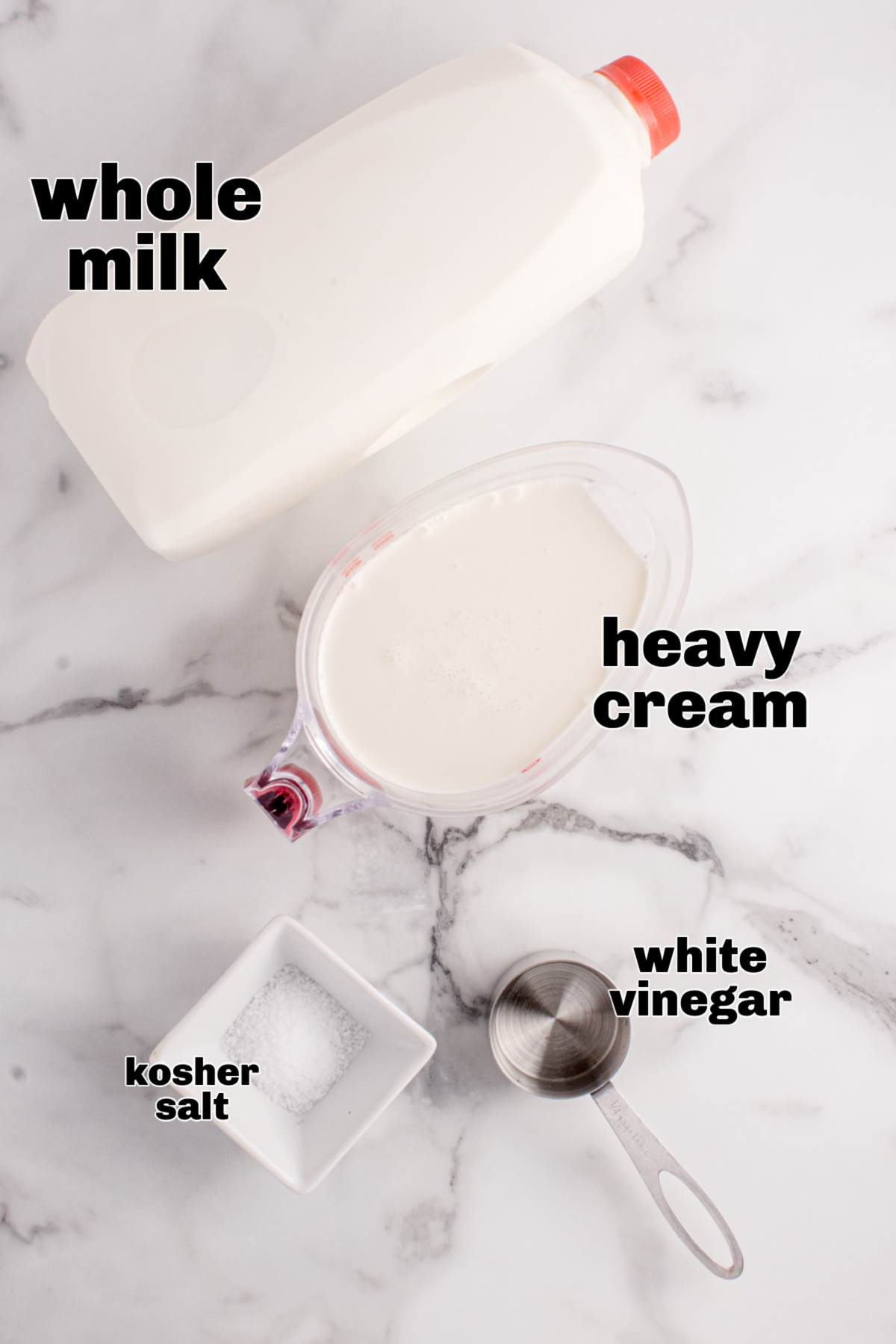
How to Make Homemade Ricotta Cheese
Find the complete printable recipe with measurements in the recipe card at the BOTTOM OF THE POST.
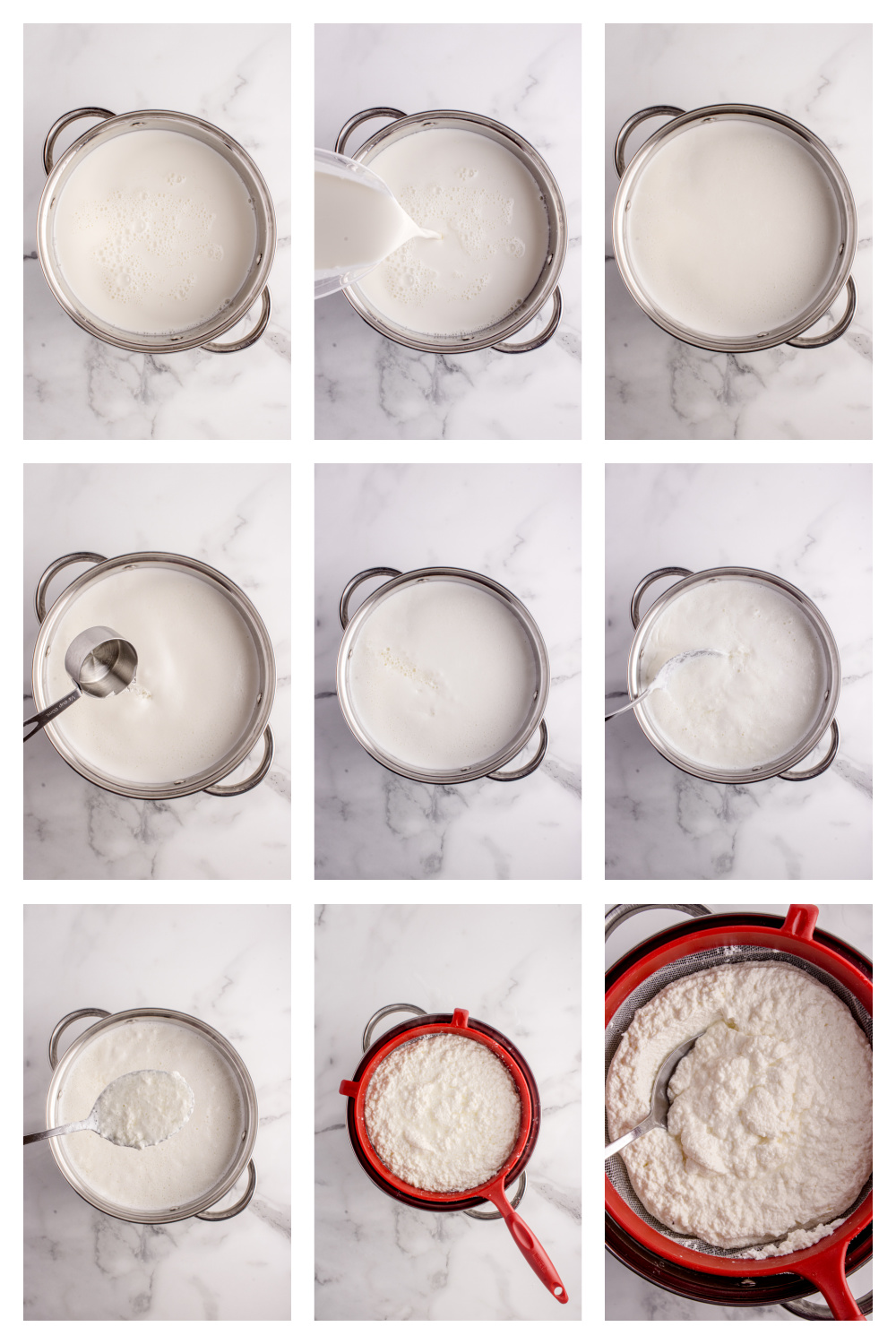
- Step One (heat the dairy)
Pour the milk and cream into a large, heavy-bottomed pot and set it over medium-low heat. Stir now and then, just enough to keep anything from sticking. You’re watching for 180–185°F, not a boil, and not a rush. This is the patience part. Once it gets there, pull it off the heat. - Step Two (mix the acid)
While the milk warms, whisk the vinegar and salt together in a small bowl until the salt disappears. This isn’t a moment that needs attention, it just needs to be ready. - Step Three (add the acid and step back)
Slowly pour the vinegar mixture into the hot dairy and give it one gentle stir. One, and then you’re done. Set the spoon down and walk away for 10–15 minutes. If you leave it alone, the curds know what to do. - Step Four (strain the ricotta)
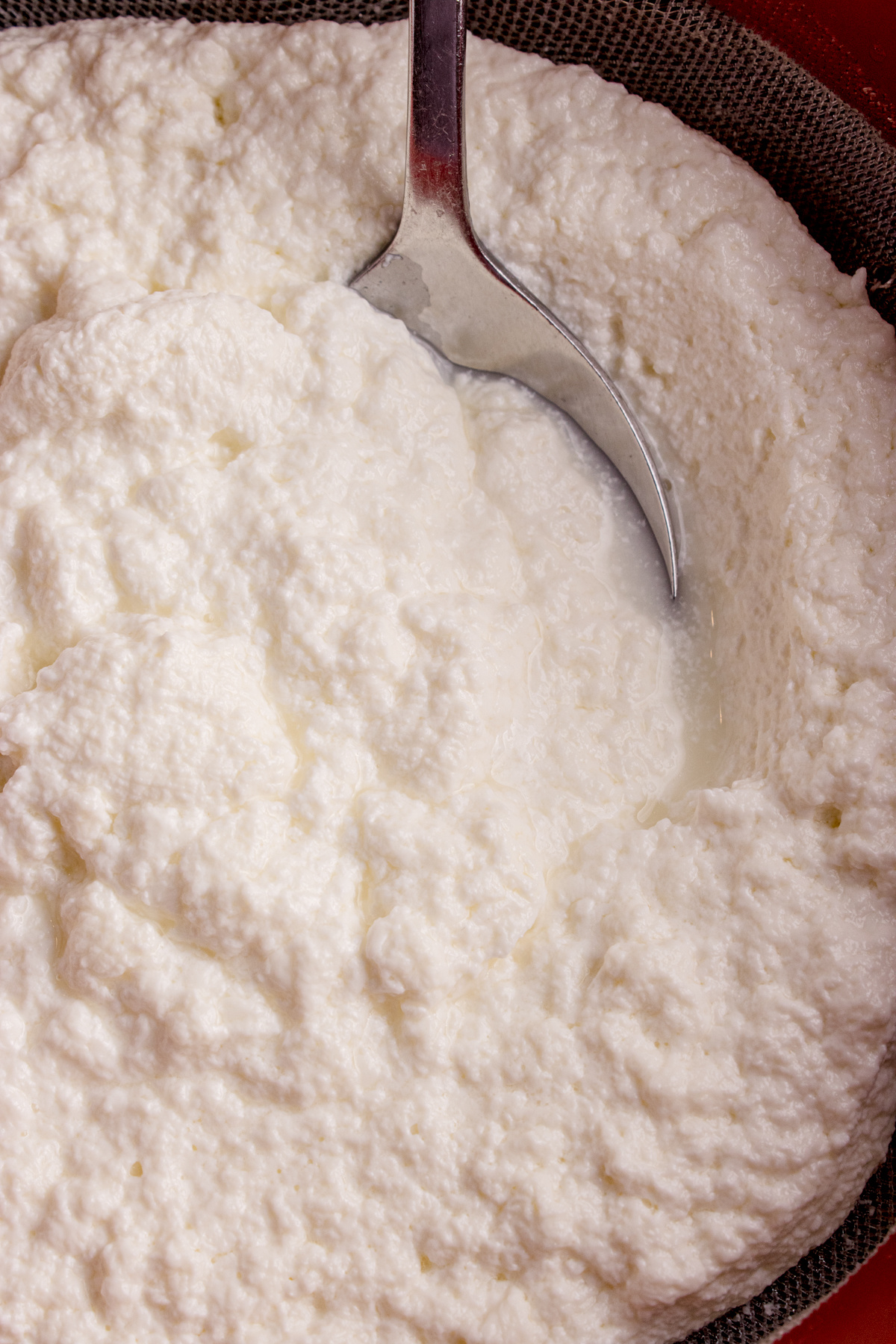
Line a large colander with a few layers of cheesecloth or a clean kitchen towel and set it over a bowl to catch the whey. Gently pour everything in and let gravity take over. - Ten to fifteen minutes gives you ricotta that spreads easily. Twenty to thirty minutes makes something sturdier, better suited for baking if you want to use it that way. Stop when it looks right to you.
- Step Five (store and use)
Scoop the ricotta into an airtight container and refrigerate it. It’s best within a few days, while it still feels fresh and before it starts turning into something else.
Recipe Tips
- If the milk is ultra-pasteurized, don’t bother. It won’t do what you want, and you’ll end up blaming yourself for something that was never going to cooperate in the first place.
- Temperature matters here more than timing. I watch the thermometer, but I’m also paying attention to how the milk looks and moves. When it’s right, it’s right and you’ll know it.
- Once the vinegar goes in, holding back is the skill. One stir and walk away. This part favors people who can leave things alone.
- Draining is where you decide who this ricotta is going to be. Ten minutes is soft and almost giving, thirty minutes is more composed. Neither is better, they’re just meant for different applications.
- Don’t press or squeeze unless you know exactly why you’re doing it. Gravity is enough most of the time.
- Use it fresh. Ricotta is not a save it for later product or a long-term plan. It’s happiest close to when it was made.
Storage
- Fresh ricotta is best in the first few days, while it still tastes like milk and not the refrigerator.
- Transfer it to an airtight container and keep it cold. Use it within 4–5 days, preferably sooner. If you see liquid pooling on top, that’s normal. Just spoon it off or stir it back in.
- Freezing technically works, but the texture changes, and not in the best way. It turns grainy and forgets why you made it. I don’t bother.
- If it starts smelling sharp or sour, it’s done. Let it go and make another batch. It’s fast, and that’s kind of the whole idea.
FAQs
- Why didn’t my ricotta form curds?
The usual culprit is the milk. Ultra-pasteurized milk doesn’t cooperate because the proteins have already been pushed too far. Temperature does matter too. If you didn’t get close to 180–185°F, the curds won’t separate like you’re expecting. - Can I use lemon juice instead of vinegar?
Yes, fresh lemon juice works well and gives a slightly softer, more overall rounded flavor. I prefer vinegar because it’s consistent, but lemon is a valid choice. - Why did my ricotta turn out grainy or tough?
Too much heat or too much stirring. Once the acid goes in, the best move is to stop helping and let it sit. Ricotta does better when left alone. - How do I get creamier ricotta?
Drain it for less time. Ten to fifteen minutes gives you something spreadable and soft. Longer draining firms it up for baking. - Can I make this ahead?
Yes, but this is a short-term relationship. Use it within a few days while it still tastes fresh and milky. - What should I use the leftover whey for?
Whey is great in bread, pizza dough, pancakes, or soups. I use it to fertilize my plants because it improves soil structure. That is a whole other discussion, though, on how to prep it, etc. - Is this the same as traditional Italian ricotta?
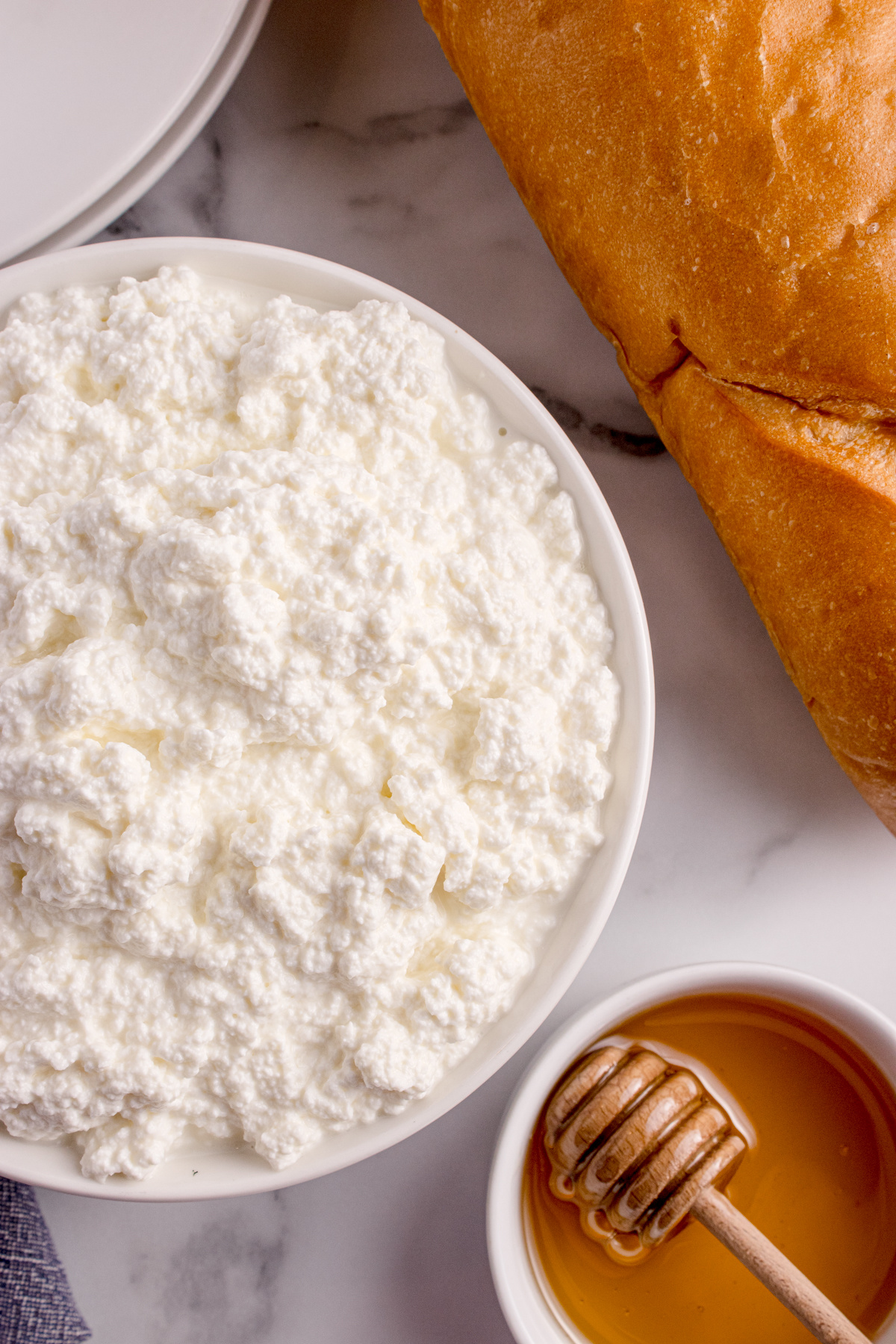
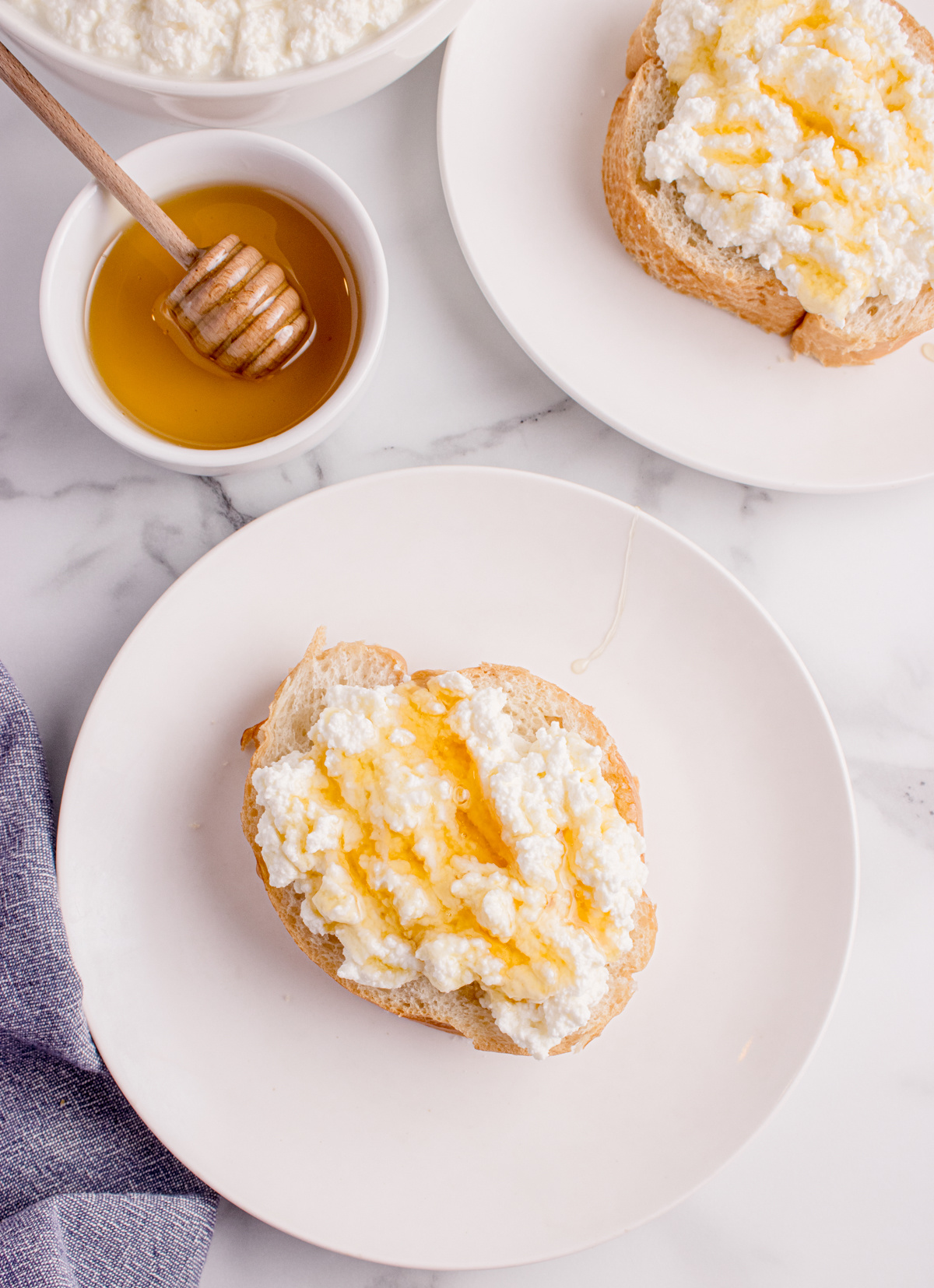
No, this is a fresh, milk-based ricotta. Traditional Italian ricotta is made from whey. Different process, different texture, both worth knowing. I prefer this one for whipping or spreading on toast.
Fresh ricotta breaks down easier and becomes smooth, shiny, and almost frosting-like. It also incorporates air better, so the texture is better when you whip it. It’s also naturally sweeter and more milk-forward, making it better for desserts or light savory dips.
From My Kitchen Notes
Just a few observations that I tend to think about when ricotta is on the stove.
- Milk changes faster than people expect when you stop interfering with it. Heat does most of the work, while time does the rest.
- Our hands learn things long before our words catch up. Ruth never measured, never checked a number, never doubted when to stop. That confidence came from her attention, not certainty.
- Curds form when you stop trying to control the moment and let separation happen naturally. Too much stirring ruins it, and too little patience does too. This applies to so many things in life.
- There’s a specific point where the pot looks completely wrong before it looks right. That moment is easy to panic through if you don’t trust what you’re watching.
- With ricotta and so many other things, let gravity do what force can’t.
- Learning how to make ricotta by feel first made the translation harder later, but the result is better. Precision added after intuition holds longer than any rule you can memorize without context.
- I feel like recipes are just stories someone bothered to write down after paying attention long enough.
- Every batch reminds me that being teachable doesn’t end when you master something, it reinforces the lesson.
- And once you know how to make this, store-bought ricotta feels like someone else finished the thought for you. Passing a skill along feels less like inheritance and more like relief. Like something that doesn’t have to live only in me anymore.
Where This Ricotta Ends Up
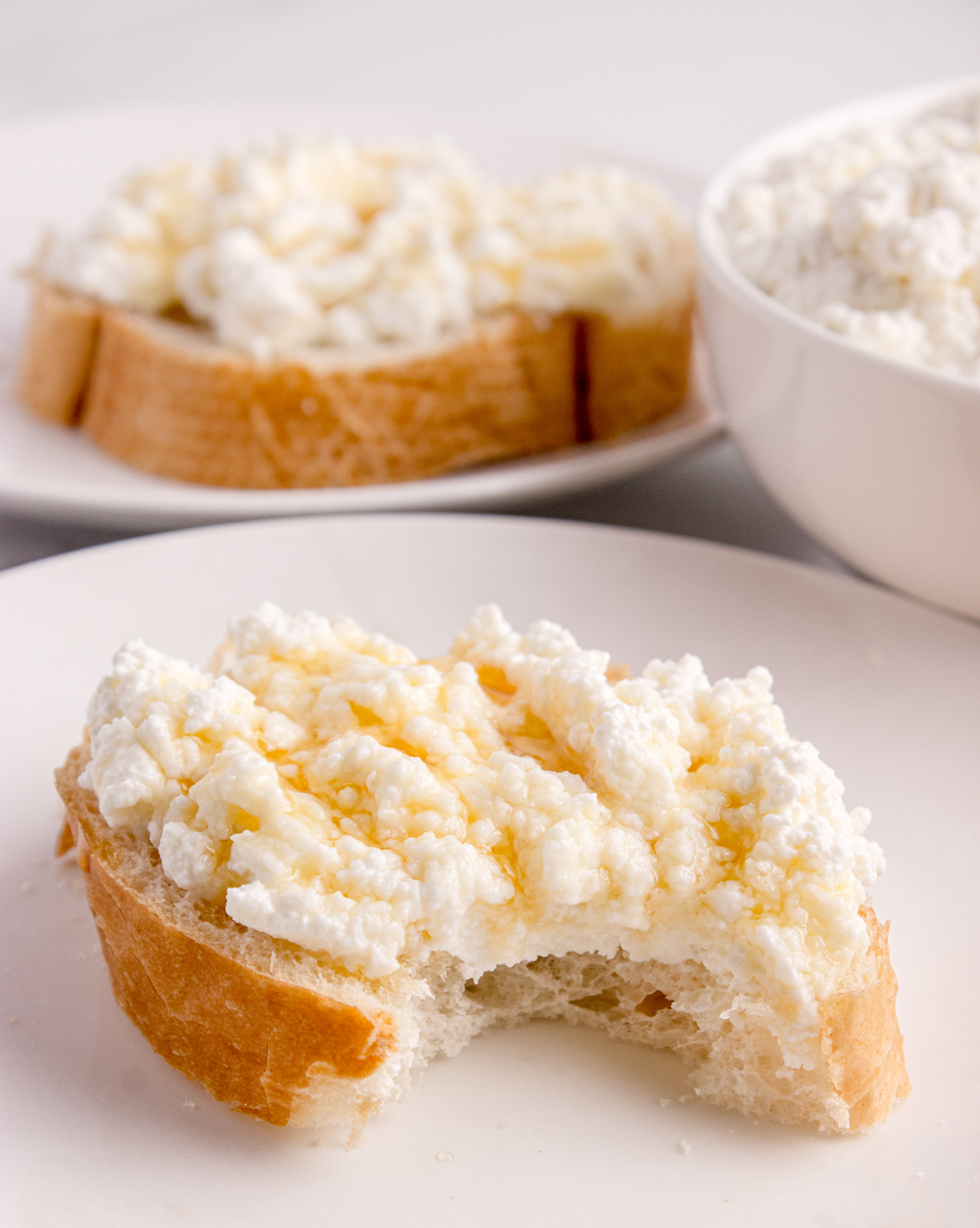
- Whipped Ricotta with Balsamic Roasted Grapes – freshly whipped ricotta, jammy balsamic roasted grapes, and crisp honey crostini.
- Carrot Tart with Pistachio Pesto and Ricotta – buttery puff pastry topped with tender, honey-glazed rainbow carrots.
- Cannoli Dip – thick, creamy, scoopable, and the real deal.
This post may contain affiliate links. Please read my disclosure policy.
Homemade Ricotta Cheese
Equipment
- heavy based pot (large) Prevents scorching and allows even heating.
- digital thermometer Essential for hitting the correct curd-forming temperature.
- mixing bowls (small and large) For dissolving the acid and salt and catching the whey during draining.
- cheesecloth or clean kitchen towel. For gentle draining.
- Colander Holds curds while whey drains.
Ingredients
- 8 cups (1.9 L) whole milk (not ultra-pasteurized)
- 2 cups (480 ml) heavy cream
- ¼ cup (60 ml) white vinegar
- 1½ tsps (9 g) kosher salt
Instructions
- Add the milk and cream to a large heavy-bottomed pot. Heat over medium-low heat, stirring occasionally to prevent scorching, until the mixture reaches 180–185°F (82–85°C). Do not allow it to boil.8 cups (1.9 L) whole milk, 2 cups (480 ml) heavy cream
- While the dairy heats, whisk the vinegar and kosher salt together in a small bowl until the salt is fully dissolved.¼ cup (60 ml) white vinegar, 1½ tsps (9 g) kosher salt
- Once the dairy reaches the target temperature, remove the pot from the heat. Slowly pour in the vinegar mixture and give one gentle stir with a spoon to distribute it.
- Let the mixture sit completely undisturbed for 10–15 minutes, allowing the curds to fully separate from the whey.
- Line a large colander with 2–3 layers of fine-mesh cheesecloth or a clean kitchen towel and place it over a large bowl. Carefully ladle or pour the curds and whey into the lined colander.
- Allow the ricotta to drain for 10–15 minutes for a creamy, spreadable texture, or 20–30 minutes for a firmer ricotta suitable for baking.
- Transfer the drained ricotta to an airtight container and refrigerate. Use within 5 days.
Notes
- Ultra-pasteurized milk will not reliably form curds.
- Temperature matters more than timing; watch the thermometer.
- Do not stir after adding the acid or the curds will break.
- Drain time determines final texture and the amount of ricotta you are left with.
Nutrition
Have you made this Homemade Ricotta Cheese? I’d love to hear how it turned out – leave a comment below and let me know.
As an Amazon Associate and member of other affiliate programs, I earn from qualifying purchases.
Janice Rickster says
I have not made the cheese, but I’m going to. I’m here first as a therapist and I want to say you really touched a topic that is so important. There is one line I cannot get away from and I am going to use it in my own practice. You said “being coachable becomes a filter, narrowing the field” and that being a gift in itself. I never thought of it that way and you are so right on with that. It weeds out those that cannot rise to meet you and well it’s perfect. Thank you for this piece.
Kelsey says
I made this today and it turned out great. I went for the longer drainage so I could get a sturdy cheese. It’s so wonderful and I am going to be baking with it tomorrow. This is so easy to do. Thank you.
Bells Mason says
Incredibly easy and very tasty.
Chen says
This cam out perfect me. I idin’t move it after adding the vinegar and it made the perfect ricotta. Thank you.
Dean says
This was really simple and tuned out amazing. I then used it as a dip and I am never buying ricotta again.
bobbi says
daughter made this earlier in the week-didn’t add enough vinegar and used the wrong salt (!) but added more vinegar and it curded up nicely. She enjoyed the process. Tasted very good, she used it in her calzones-used the whey for the dough. she said it made the end product a little more chewy. Will have to do more pizza dough/calzones to know for sure 🙂
Cathy Pollak says
Happy it worked out!